

 1 day ago
1
1 day ago
1
ARTICLE AD BOX
Last Updated:May 11, 2026, 09:49 IST
Speaking in Hyderabad on Sunday, PM Modi asked citizens to revive several practices that became common during Covid


Work From Home Wherever Possible Recalling practices adopted during the COVID-19 pandemic, PM Modi suggested companies and institutions consider work-from-home arrangements again. As he said, “Think of work from home in the national interest.” Fewer office commutes would reduce petrol and diesel consumption significantly.
Six years after the Covid-19 pandemic transformed how Indians worked, travelled and consumed, many of those habits are suddenly back in public discussion. This time, the trigger is the escalating conflict involving Iran and the growing fears around global oil supplies.
As tensions refuse to die down in West Asia and concerns mount over the security of the Strait of Hormuz – one of the world’s most crucial oil shipping routes – Prime Minister Narendra Modi has urged Indians to prepare for possible economic disruption through restraint in consumption and lifestyle changes.
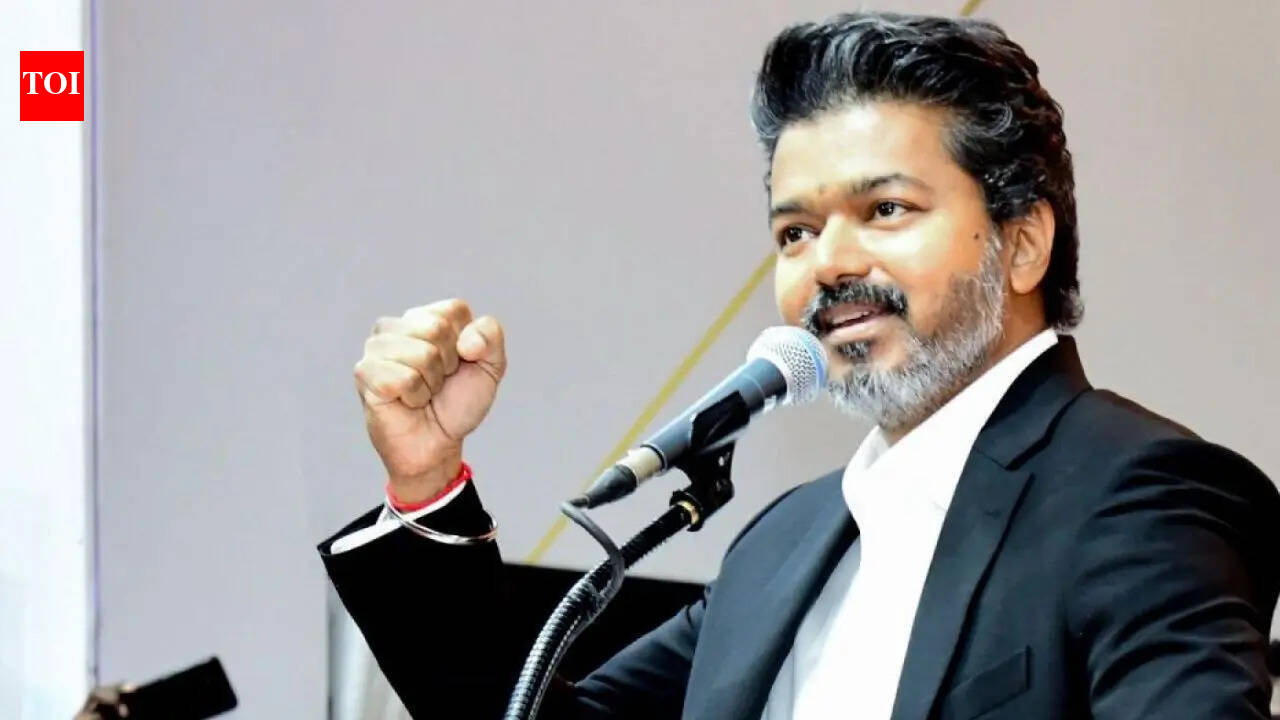
Speaking in Hyderabad on Sunday, PM Modi asked citizens to revive several practices that became common during Covid: work from home where possible, hold virtual meetings, use public transport, avoid unnecessary foreign travel, postpone gold purchases and reduce fuel consumption. “We must prioritise work from home, online conferences and virtual meetings again," the Prime Minister said while speaking about India’s preparedness in the face of global uncertainty.
The concerns are rooted in economics as much as geopolitics. India imports a major portion of its crude oil through the Strait of Hormuz, and any prolonged disruption in the region can push up fuel prices, freight costs and inflation. Global markets are already watching the Iran situation closely amid fears of shipping disruptions and energy supply shocks.
The Prime Minister’s appeal has revived memories of the Covid years – a period that forced India to adapt rapidly under pressure. Many of the lessons from that period now appear relevant again.
Work From Home: A Tested System
Before 2020, remote work was limited largely to parts of the IT sector and a handful of multinational firms. Covid changed workplace culture across the country within weeks. Newsrooms operated remotely, corporate meetings shifted online and schools moved to virtual classrooms. Businesses that once resisted flexible work realised operations could continue without daily commuting.
Today, the same model is being discussed as a way to reduce fuel consumption and traffic pressure. Fewer vehicles on roads can directly reduce petrol and diesel demand at a time when global oil markets are under strain.
During the lockdown years, Indian cities saw a sharp fall in traffic congestion and fuel use. Air quality improved dramatically in cities like Delhi and Mumbai. Hybrid work models also reduced commuting costs for employees. PM Modi’s latest remarks suggest that work from home is now seen as part of India’s larger economic resilience toolkit.
‘Vocal For Local’
The Covid-19 pandemic exposed how dependent countries had become on global supply chains. India faced shortages of medical equipment, electronic components and several imported goods when international trade slowed during lockdowns.
That phase accelerated campaigns promoting Indian manufacturing and local businesses. The “Vocal for Local" push gained momentum as consumers increasingly turned to neighbourhood stores and domestically made products.
The same concerns are resurfacing amid the West Asia crisis. Rising shipping risks and higher import costs have renewed conversations around self-reliance and reducing dependence on global supply chains.
During Covid, India rapidly scaled up domestic PPE manufacturing and emerged as a major vaccine producer. Indian toy makers, electronics assemblers and pharmaceutical companies also expanded production after import disruptions highlighted vulnerabilities.
PM Modi has again encouraged citizens to support domestic consumption and reduce avoidable foreign spending.
The Cost Of Panic Buying
One of the defining memories of the pandemic was the rush to stock essentials. Grocery stores were emptied overnight, medicines became difficult to access and oxygen cylinders were hoarded during the deadly second wave.
Governments are now trying to avoid similar panic around fuel and household supplies.
The fear during crises often spreads faster than actual shortages. Covid showed how rumours and anxiety can disrupt supply systems even when stocks remain available. That experience explains why leaders are emphasising restraint and orderly consumption before fears spiral into panic behaviour.
Digital Infrastructure Became India’s Safety Net
Covid accelerated India’s digital transformation in ways few expected.
UPI payments became mainstream, online consultations grew rapidly and millions of employees adapted to virtual offices. Small businesses survived through WhatsApp orders, delivery apps and digital transactions.
Those systems now give India greater flexibility during periods of disruption.
If fuel conservation measures increase or travel becomes expensive, businesses and consumers already have functioning digital alternatives. Virtual meetings, remote services and online commerce are no longer emergency arrangements – they are part of daily life.
Modi’s renewed emphasis on online conferences and virtual work reflects how central digital systems have become to India’s economy.
Economic Shocks Reach Vulnerable Families First
The migrant crisis during Covid remains one of the most painful chapters of the pandemic. Millions of workers lost jobs and struggled to return home after transport systems shut down.
That experience highlighted how quickly disruptions affect people with limited savings or unstable incomes.
Higher fuel costs can eventually raise prices of vegetables, LPG cylinders, transport services and daily essentials. Small businesses, delivery workers, transport operators and low-income households usually feel the impact first.
The current concerns around energy prices and inflation are reviving those memories across sectors already sensitive to rising operational costs.
Postponed Travel, Reduced Purchases
The pandemic forced households to rethink spending habits. Families postponed travel, reduced discretionary purchases and adapted to uncertainty.
PM Modi’s appeal to avoid unnecessary foreign travel and defer gold purchases reflects the same larger message around cautious consumption during uncertain times.
During Covid, millions of Indians adjusted daily routines in ways that collectively reduced pressure on strained systems. The government now appears to be drawing from that experience as global instability threatens energy markets and economic stability once again.
The circumstances today are very different from 2020. Yet the underlying lesson remains familiar: global crises can quickly alter everyday life in India, and resilience often begins with small changes in how people work, travel and consume.
Handpicked stories, in your inbox
A newsletter with the best of our journalism
News india Work From Home, Vocal For Local & More: Covid-Era Lessons India Is Revisiting Amid The US-Iran War
Disclaimer: Comments reflect users’ views, not News18’s. Please keep discussions respectful and constructive. Abusive, defamatory, or illegal comments will be removed. News18 may disable any comment at its discretion. By posting, you agree to our Terms of Use and Privacy Policy.
Read More


 English (US) ·