

 1 day ago
2
1 day ago
2
ARTICLE AD BOX
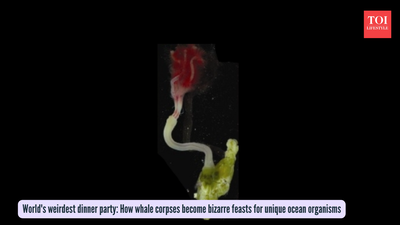
Whale carcasses transform the deep sea into a vibrant ecosystem, offering a massive, decades-long feast for bizarre creatures. From hagfish and sharks stripping flesh to bone-eating worms and sulphur-loving microbes, these "whale falls" demonstrate nature's remarkable ability to create life from death, acting as crucial stepping stones for deep-sea species.
Imagine the ocean's giants gliding through vast blue highways, their massive bodies hauling tons of life-sustaining energy from surface feasts to hidden depths.When a whale's journey ends, it doesn't just vanish, its sinking form creates a hidden wonderland on the seafloor, inviting bizarre deep-sea organisms to a decades-long buffet.These "whale falls" change death into a thriving hub, showing nature's knack for turning endings into beginnings. Scientists remain amazed at the parade of oddballs, present in various forms, from slime-spewing fish to bone-munching worms, that decompose one carcass into a happening neighborhood.
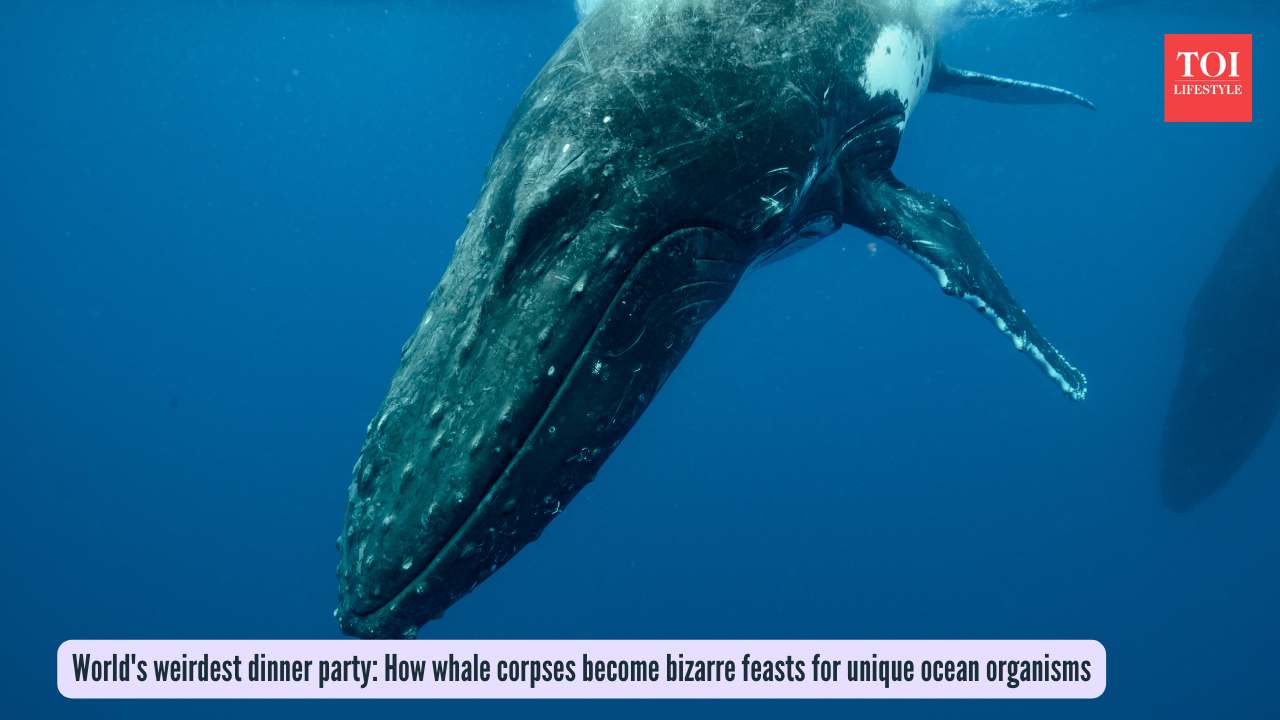
World's weirdest dinner party: How whale corpses become bizarre feasts for unique ocean organisms (photo: Canva)
Whale fall changes or a magical feast?
Whale carcasses provide huge nutrient blasts to the deep sea, up to 150 tonnes of meat, blubber, and bone, equivalent to thousands of years of "marine snow," according to NOAA's Ocean Service.
Greg Rouse from Scripps Institution says they often sink along migration routes to the abyss, swelling with gases before settling.
Scavenger rush
First, deep-sea scavenging kicks off with hagfish, sleeper sharks, and amphipod shrimp stripping away the flesh over several years, according to Adrian Glover from London's Natural History Museum. Hagfish, which have a skull but no backbone, burrow right into the carcass and release slime to fend off attackers.
Rattail fish, with their large eyes for spotting bioluminescent flashes and whisker-like barbels on the chin, track down the feast at depths up to 4,000 meters.
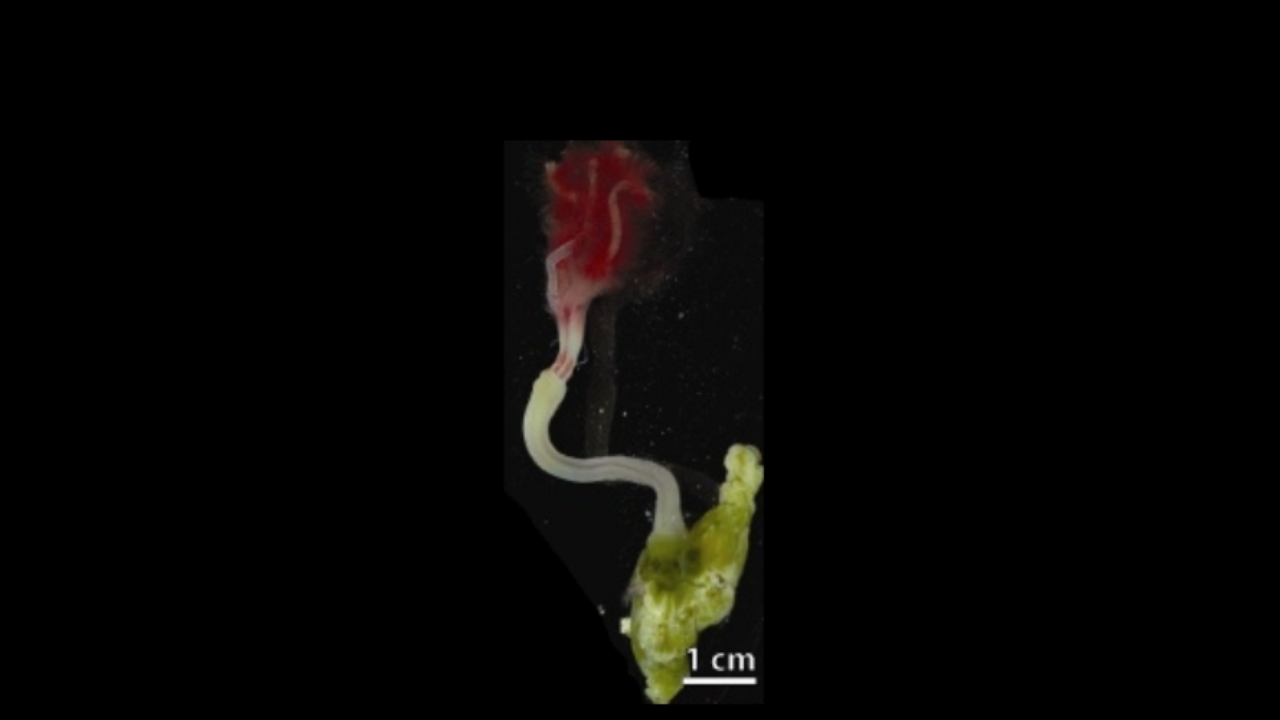
Osedax- Photo via Wikimedia Commons
Bone-eating opportunists
Next, Osedax "bone-eating snot-flowers" swarm, injecting acid to liquefy bones via symbiotic bacteria, their feathery plumes grab oxygen while roots dissolve collagen.According to a BBC report, Rouse explains, "It's like they're putting their gut inside the bone and absorbing it directly – quite strange," as said by Glover.
Thousands live for a decade, larvae drift to new falls, and softened bones attract crabs.Japanese spider crabs pick scraps amid enriched sediments hosting worms and molluscs.
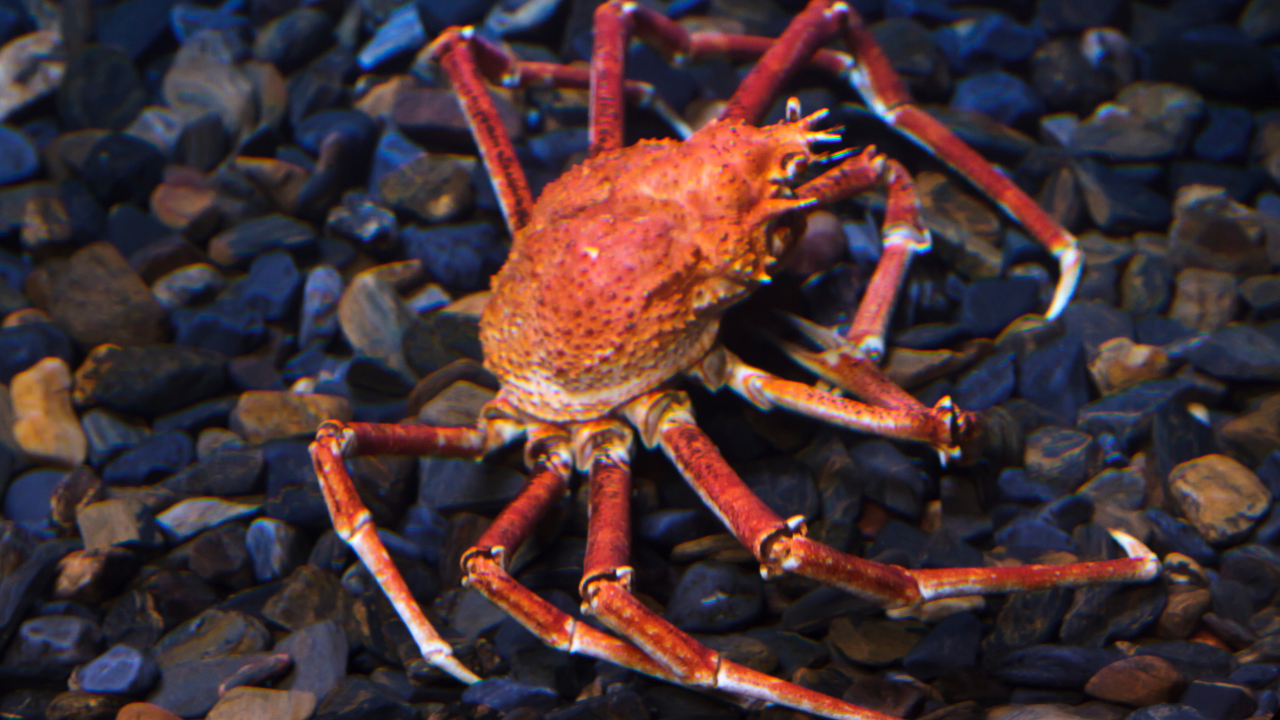
Japanese spider crab
Sulphur-loving symbiotic mates
Bacteria break down remaining lipids into hydrogen sulfide, helping in chemosynthetic microbes that live symbiotically with host organisms. This "sulphophilic stage" can last up to 50 years.Amazed, Glover says, "The ability of organisms to evolve to exploit these remarkable, weird, amazing adaptations to these unusual environments… we're constantly surprised." Whale falls serve as "stepping stones" connecting hydrothermal vents, cold seeps, and wood falls to aid species dispersalIn life and death, whales nourish oceans through carbon sequestration and vibrant biodiversity hubs.








 English (US) ·