

 1 hour ago
5
1 hour ago
5
ARTICLE AD BOX
Last Updated:March 25, 2026, 09:43 IST
A recent global air quality report has revealed that an NCR city has overtaken Delhi as the world’s most polluted, with dangerously high PM2.5 levels.
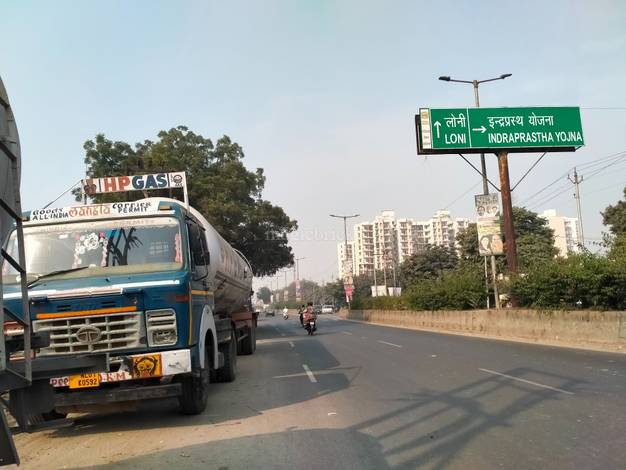
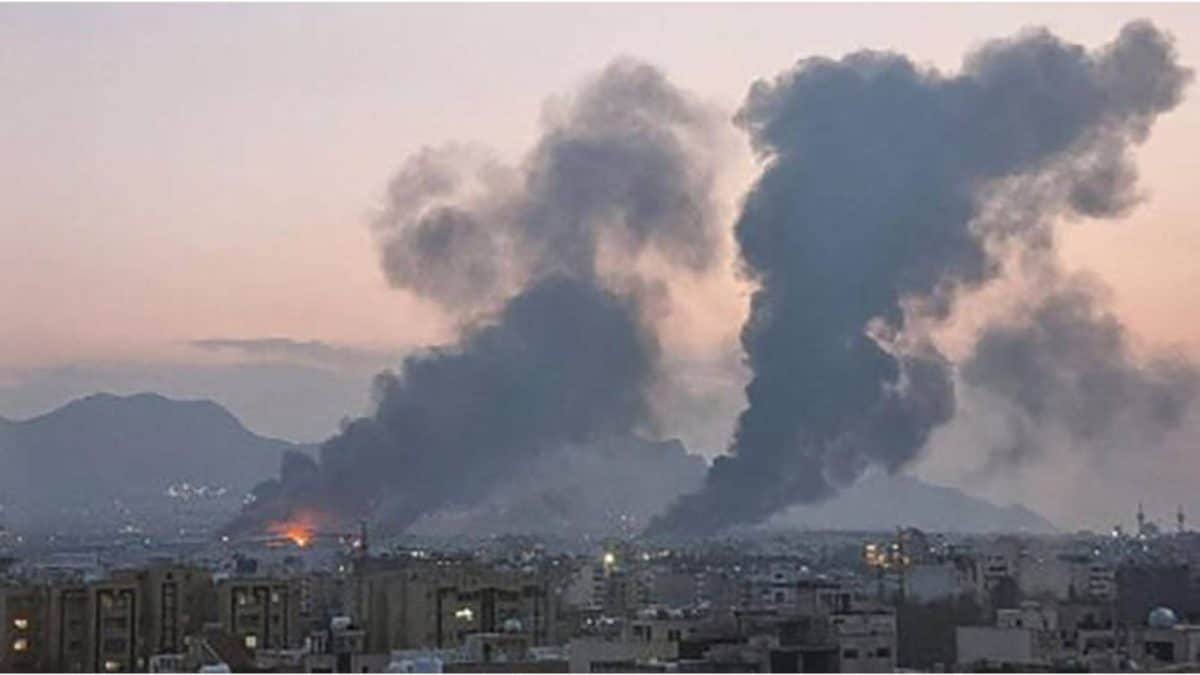
In a wake-up call for India’s environmental and public health systems, Loni, an urban cluster near Ghaziabad, has overtaken Delhi to become the world’s most polluted city. The latest findings from IQAir highlight a dangerous shift: air pollution is no longer just a Delhi problem, it has engulfed the entire National Capital Region (NCR). Here’s a breakdown of what this means and why it matters.
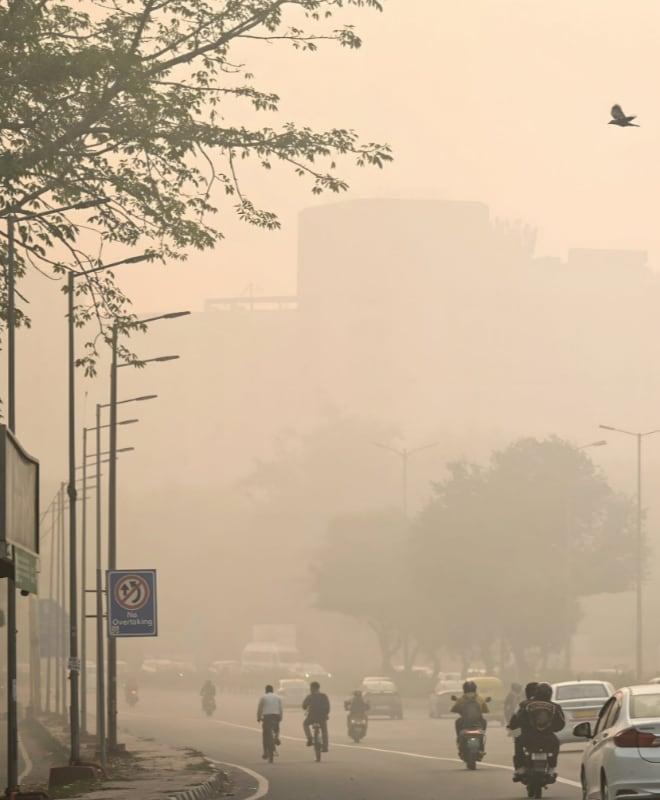
Loni’s PM2.5 Levels Are Dangerously High: The most shocking figure from the report is Loni’s annual average PM2.5 concentration: 112.5 µg/m³. This is more than 22 times higher than the safety limits set by the World Health Organization. PM2.5 particles are extremely fine pollutants that penetrate deep into the lungs and bloodstream, making them far more dangerous than visible dust or smoke. At such levels, long-term exposure is not just harmful, it’s life-threatening.
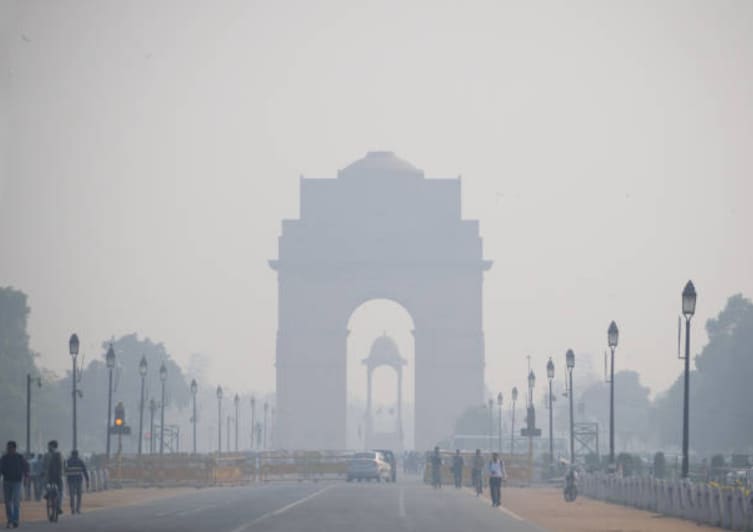
India Dominates Global Pollution Rankings: The report places India at the centre of a global air quality crisis, with multiple cities ranking among the most polluted worldwide. While Delhi has long been the face of toxic air, cities like Noida, Faridabad, and Ghaziabad are now equally affected. Pollution is spreading rapidly across interconnected urban clusters.
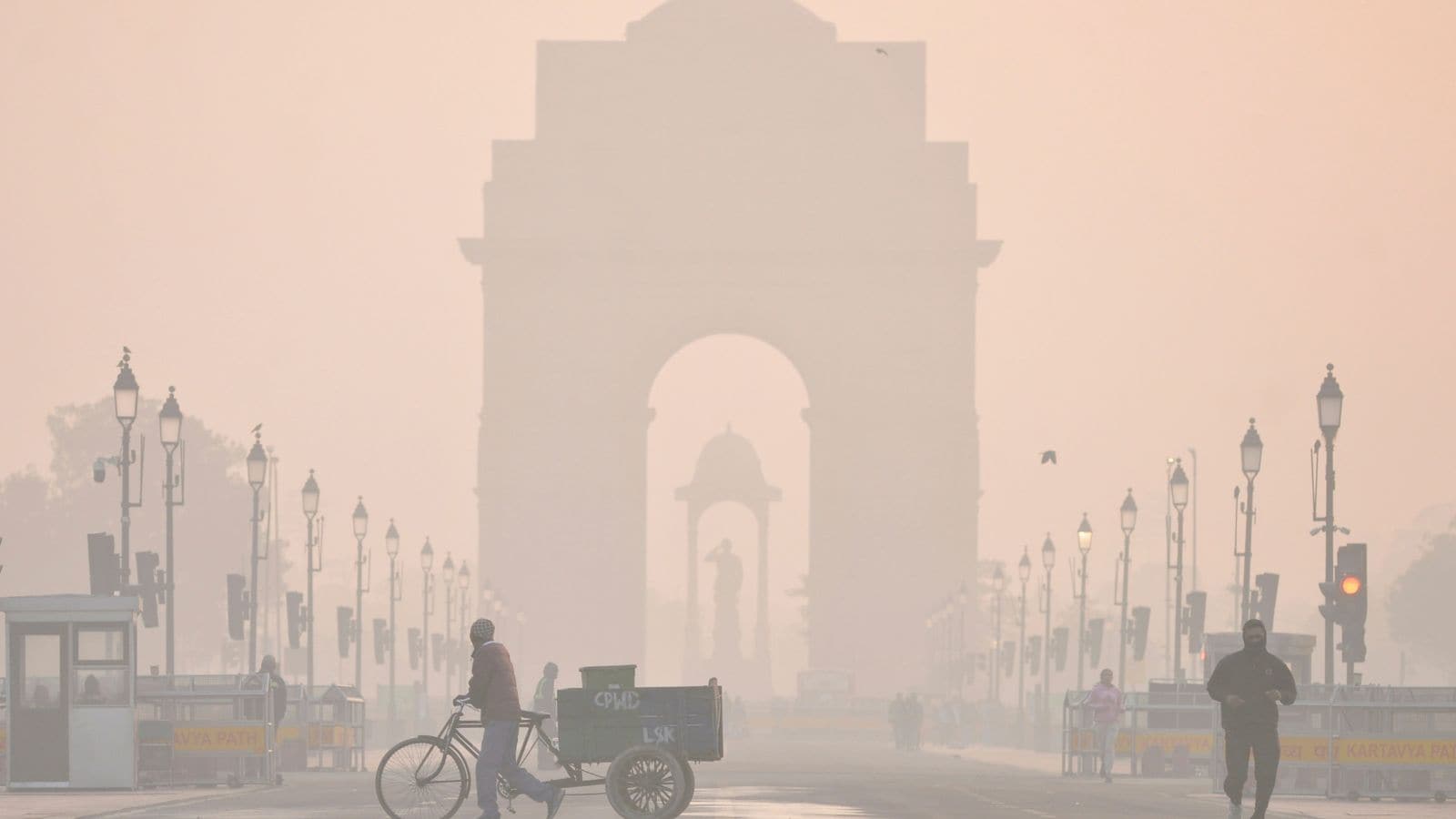
NCR Is Now a Continuous Pollution Hotspot: For years, pollution spikes were seen as seasonal or city-specific. That perception is no longer valid. The entire NCR belt, including Delhi, Loni, Ghaziabad, Noida, and Faridabad, has effectively merged into a single polluted zone. Experts warn that this “air shed” effect means pollutants travel freely across city boundaries, making localised solutions ineffective without regional coordination.
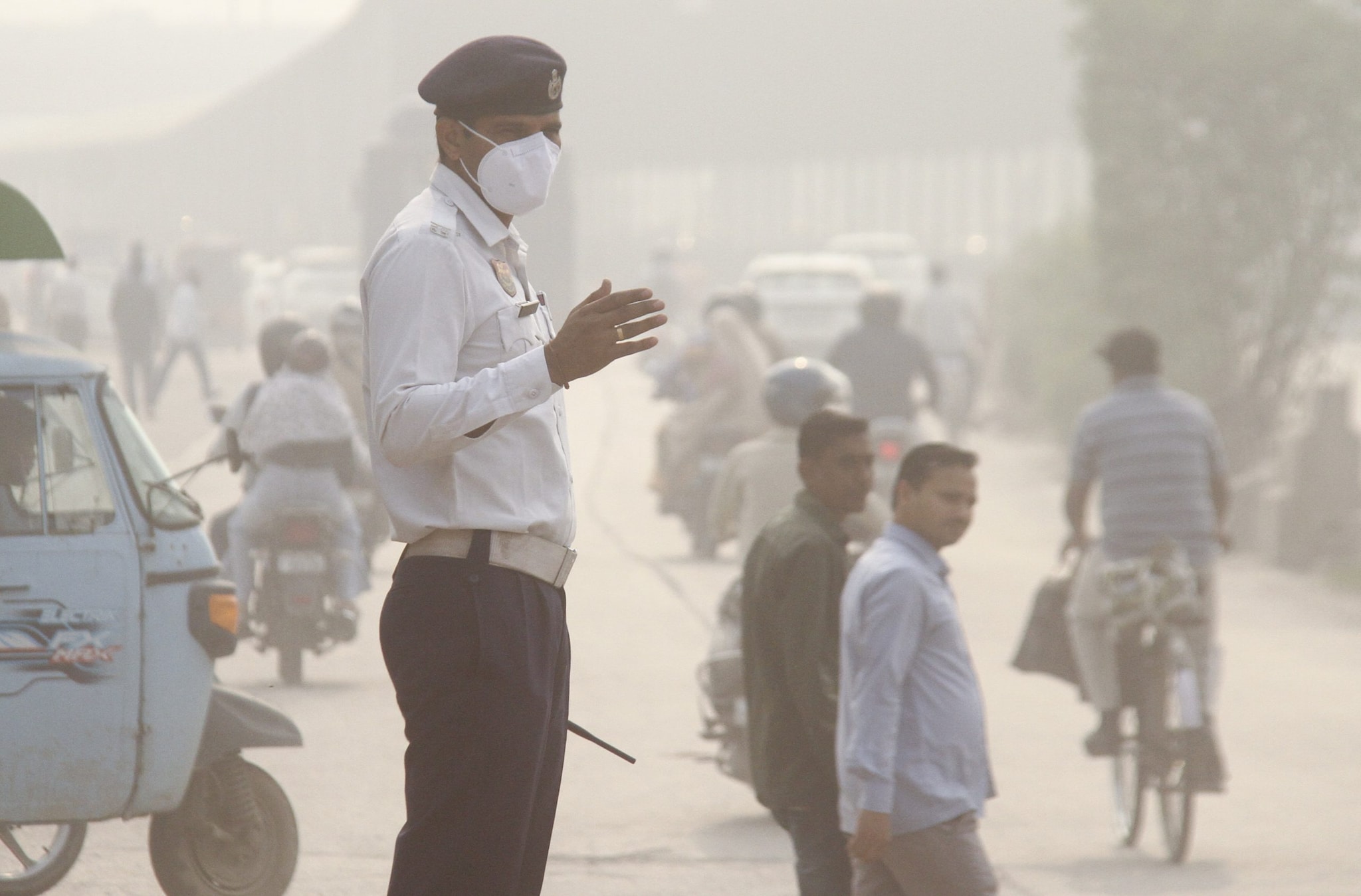
What’s Driving Loni’s Toxic Air? Several overlapping factors have pushed Loni to the top of global pollution charts: unregulated industrial emissions from nearby units, heavy vehicular traffic and outdated fuel standards, construction dust with poor control measures, open waste burning and biomass combustion, seasonal stubble burning in neighbouring states, and weather patterns that trap pollutants near the ground. The combination of these sources creates a persistent and hazardous air quality cycle that is difficult to break without systemic reform.
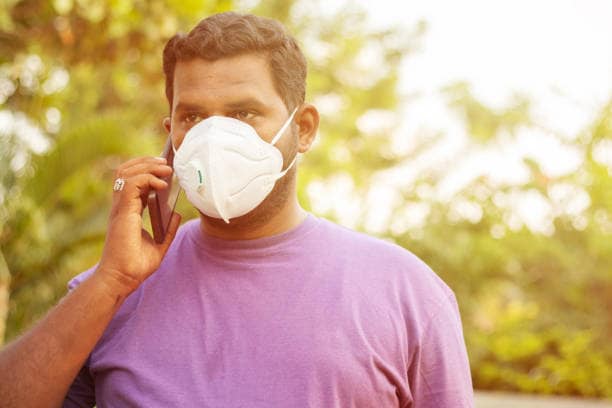
A Silent But Severe Health Emergency: Air pollution is no longer just an environmental issue, it is a full-blown health crisis. Continuous exposure to polluted air has been linked to respiratory diseases like asthma and bronchitis, increased risk of heart disease and stroke, reduced immunity and frequent infections, developmental issues in children, and higher chances of lung cancer. Doctors warn that even healthy individuals in high-pollution zones like Loni may experience breathlessness, headaches, throat irritation, and chronic fatigue.
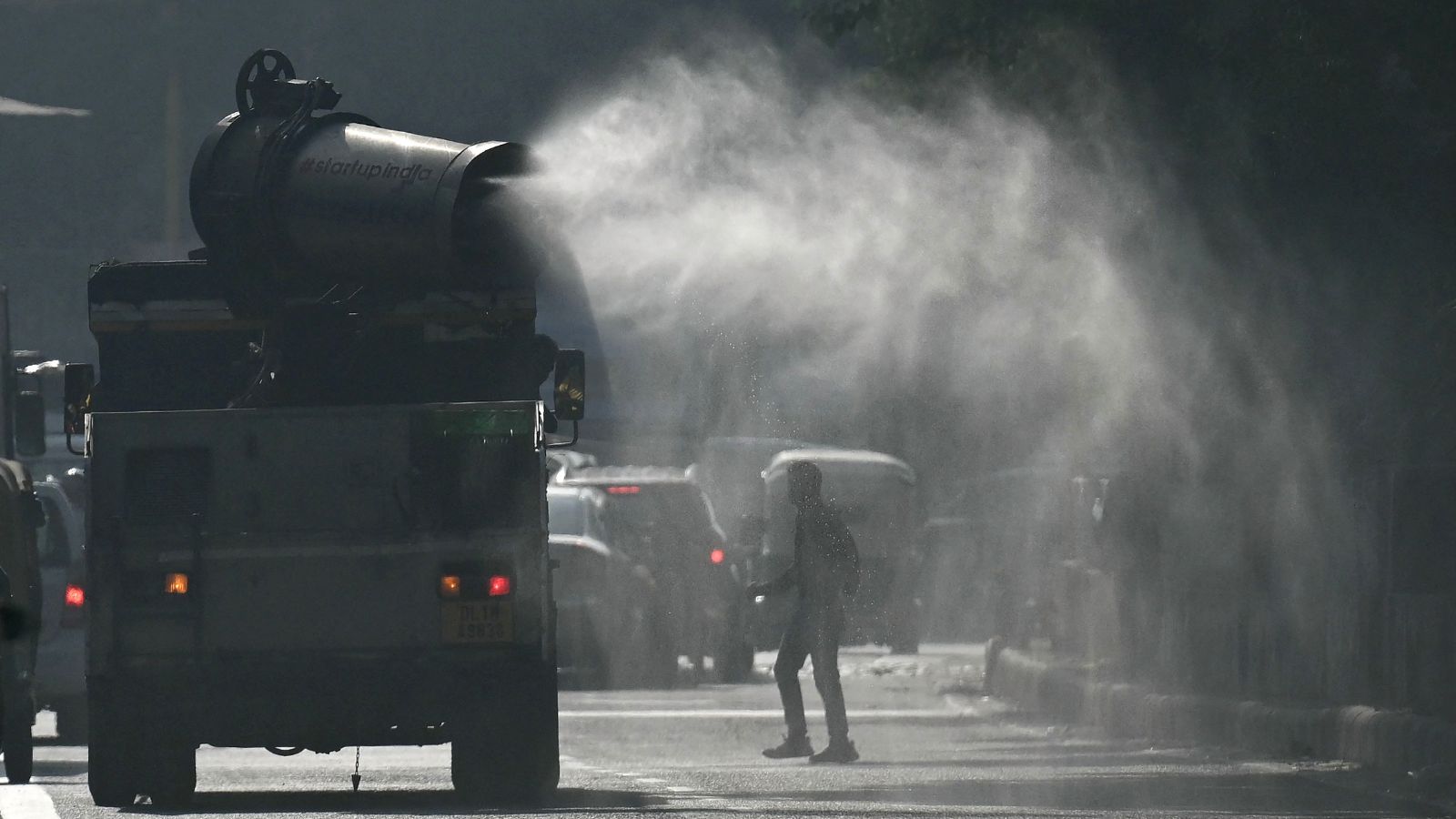
Why Short-Term Fixes Aren’t Enough: Authorities often impose emergency measures like construction bans or traffic restrictions during severe pollution days. While these provide temporary relief, they fail to address the root causes. Experts emphasise that long-term solutions must include stricter enforcement of emission norms, cleaner industrial practices, improved public transport systems, and better urban planning. Without these structural changes, pollution levels will continue to worsen.

How You Can Protect Yourself Right Now: While large-scale policy action takes time, individuals can still reduce their exposure to harmful air: wear N95 masks during high AQI days, use indoor air purifiers, avoid outdoor exercise during peak pollution hours, eat antioxidant-rich foods to support immunity, and regularly monitor AQI levels before stepping out. These precautions may seem small, but they can significantly reduce health risks in highly polluted environments.





 English (US) ·