

 1 week ago
4
1 week ago
4
ARTICLE AD BOX
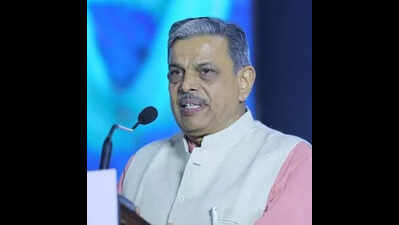
At a landmark centennial celebration, RSS general secretary Dattatreya Hosabale passionately addressed the vital contribution of youth in shaping the future of the nation. He reflected on the organisation’s extensive efforts over the past century in promoting unity, patriotism, and self-sufficiency, reaffirming that RSS values the nation's welfare above all political ambitions
Darbhanga: Youth play a major role in building a strong nation and this has already been demonstrated in the country, Dattatreya Hosabale, general secretary of the Rashtriya Swayamsevak Sangh (RSS), said while addressing a conference marking the completion of 100 years of the organisation at the local DMCH auditorium on Saturday evening.Hosabale said the organisation had played a pivotal role over the past century through penance, austerity and self-discipline in organising society and creating awareness about nationalism and social harmony.The second-in-command of the organisation said the RSS did not work for people or the pursuit of power, but for the nation and civil society. He said volunteers of the organisation were continuously serving society by promoting harmony, self-reliance, climate conservation and cultural awakening.
An organised society, he said, formed the foundation of a strong nation, and any form of discrimination was injurious to national unity.“RSS is above caste, community and panth, with the advice that the three should be complementary to each other. Social harmony is the basic foundation of a strong nation,” he said.Referring to five proposed areas of change — social harmony, climate conservation, indigenous lifestyle, awareness of civic duty and strengthening families — Hosabale said these were essential for making society self-reliant and loyal to the nation.
He urged families to inculcate values such as sanskar, punctuality and dedication in their daily lives.“For mobile phones there is enough time, but for climate conservation there is no time,” he added.A question-and-answer session followed the address, during which he responded to queries from the audience. The audience comprised people from various sections of society, including intelligentsia, social workers and academics.



 English (US) ·