

 1 hour ago
3
1 hour ago
3
ARTICLE AD BOX
Last Updated:December 19, 2025, 12:37 IST
In 1994, the fragments of the Shoemaker-Levy 9 comet smashed into Jupiter with a force equal to 300 million atomic bombs.
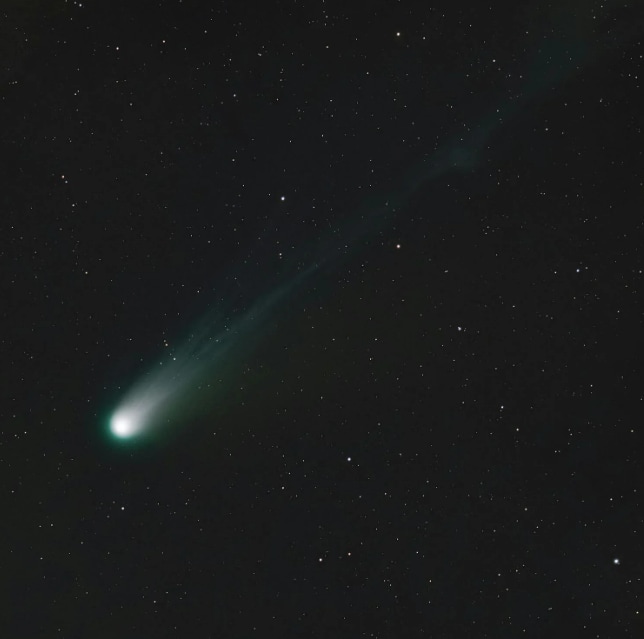
The interstellar comet 3I/ATLAS will fly closest to Earth today. Comets are like cosmic snowballs. Made of frozen gases, rock, and dust, these interstellar objects orbit the Sun. e Sometimes, they may crash into planets and shake everything up.
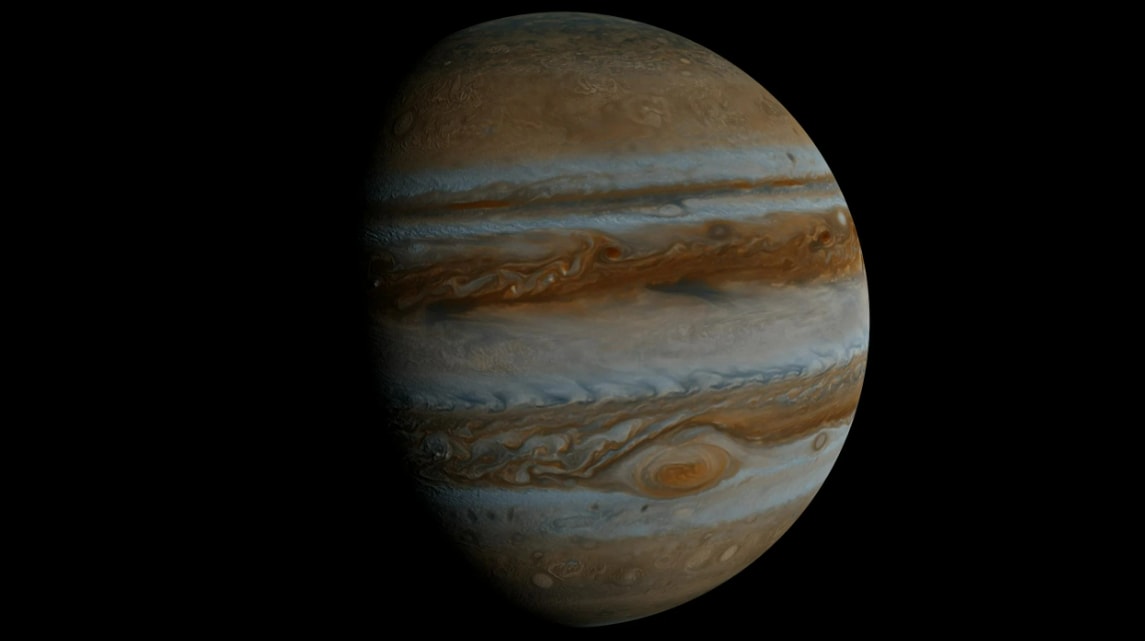
Jupiter's Big Bash Party- The Shoemaker-Levy 9 comet slammed into Jupiter in 1994. The result? Fireballs bigger than mountains and black spots larger than the Earth were recorded by telescopes.
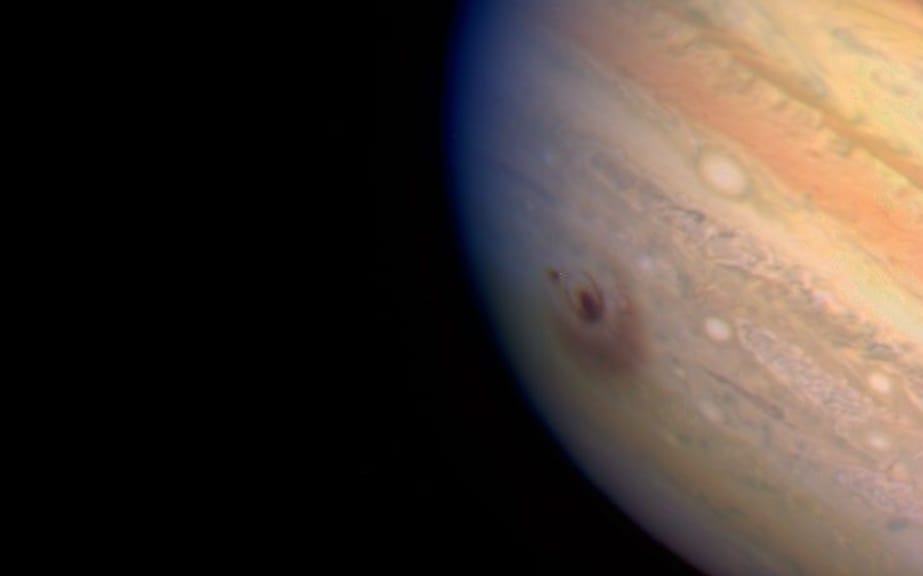
The comet had already been broken into 20 pieces while it was orbiting Jupiter. Ultimately, the fragments of Shoemaker-Levy 9 smashed into Jupiter with the force of 300 million atomic bombs. It heated the atmosphere to temperatures as hot as 30,000 to 40,000 degrees Celsius.
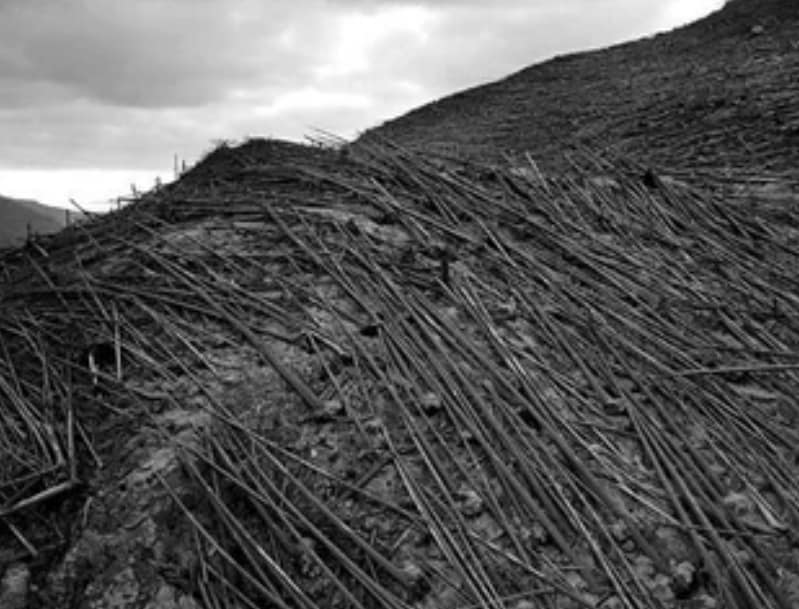
Earth's Mystery Explosion: Another mysterious explosion was witnessed in 1908, over snowy Siberia. Known as the Tunguska explosion, it was the largest asteroid impact in recorded history.
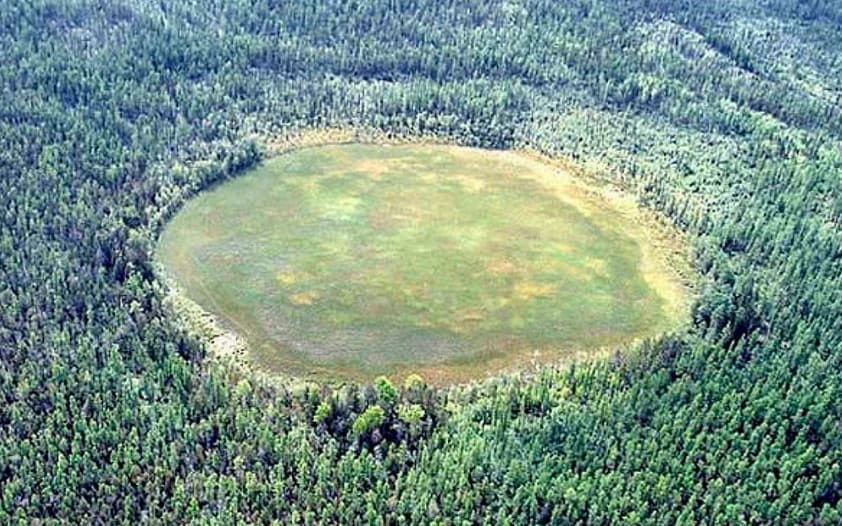
The blast released enough energy to flatten approximately 80 million trees over an area of 2,150 square km. Several reindeer were killed. Witnesses reported they saw a fireball, nearly as bright as the sun, moving across the sky before the impact.

Super Old Ice Age Surprise: About 12,800 years ago, some scientists believe that a comet exploded like fireworks over the Earth. It is believed to have led to a widespread climatic shift that resulted in a near-glacial period called the Younger Dryas.
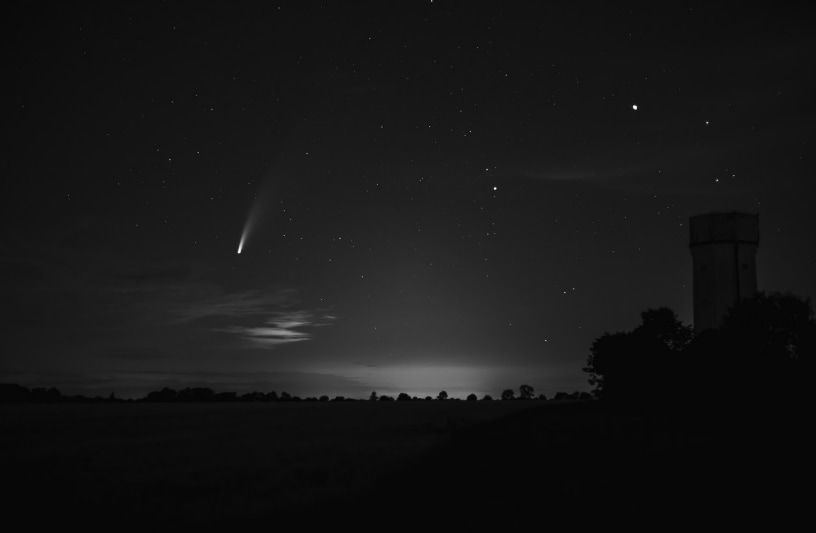
The comet believed to be responsible for the Younger Dryas cooling episode may have been 100 kilometers wide, much larger than the object that impacted Tunguska, and fragmented into thousands of pieces.
The Younger Dryas event may be involved in the extinction of some large mammalian species. Scientists have found unique molten glass in sediments at a 12,800-year-old site in Syria, indicating a possible cometary explosion.
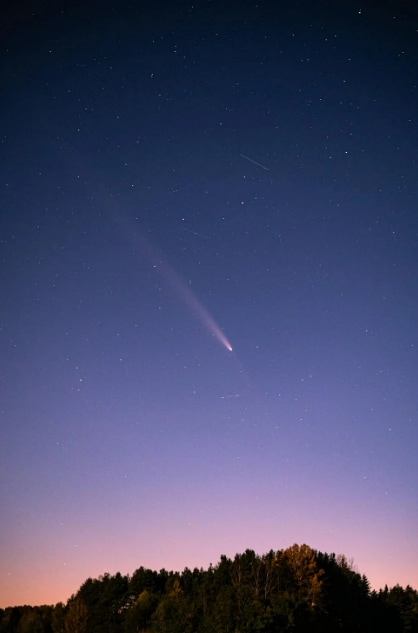
Archeologists have found similar materials in soil across the world dating to the same time, meaning the comet may have disintegrated prior to impact, resulting in global effects.
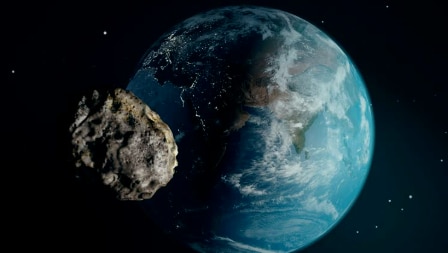
While both asteroids and comets are remnants from around 4.6 billion years ago, when the Solar System was formed, they are not the same.
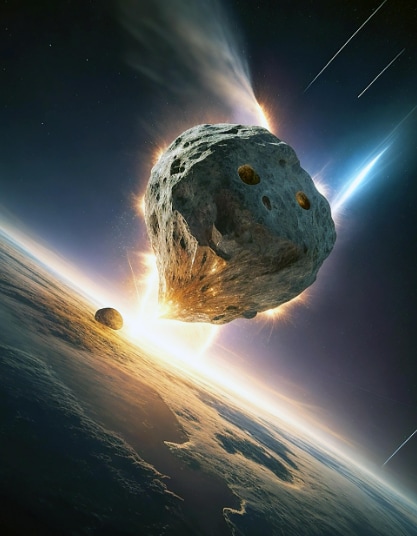
Asteroids are primarily rocky or metallic bodies. They resemble space boulders. Asteroids are predominantly located in the belt between Mars and Jupiter.
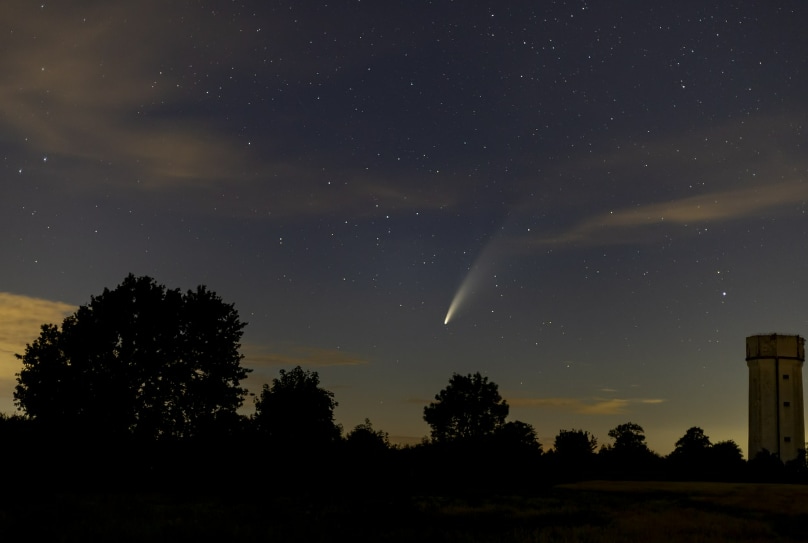
Comets are made of ice, dust, rock, and frozen gases. They are formed in colder regions like the Oort Cloud or Kuiper Belt. When comets come near the Sun, their ice melts, leading to a hazy atmosphere of gas and dust and a glowing tail.
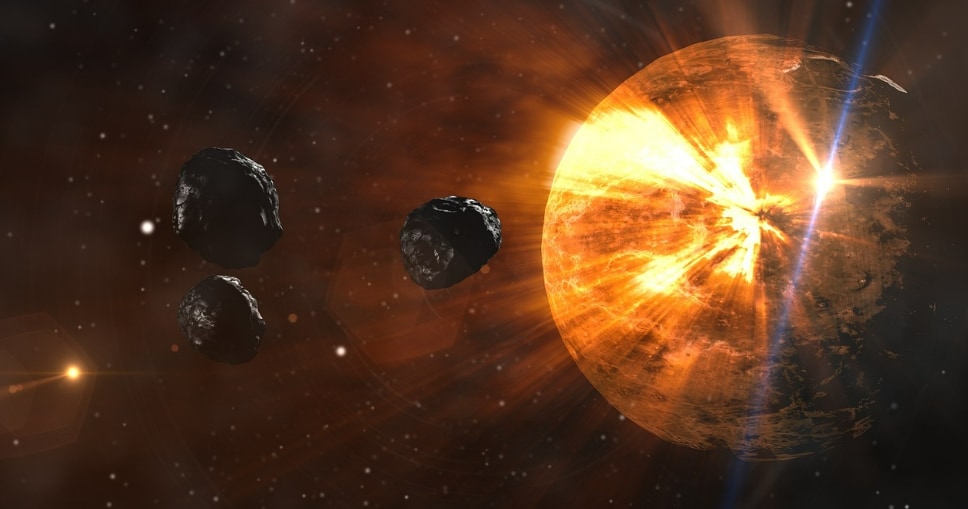
Both asteroids and comets orbit the Sun. Both celestial objects can pass near the Earth. They sometimes disintegrate or burn up as meteors.
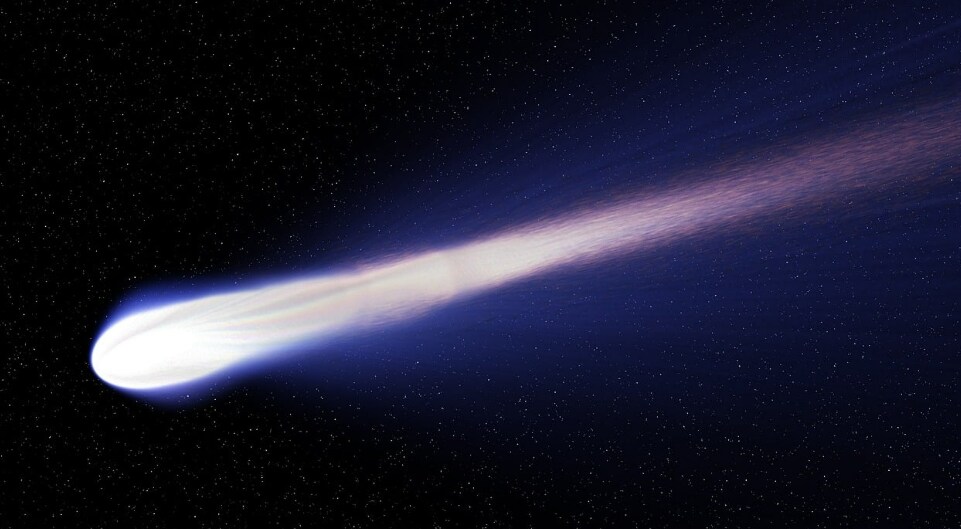
Some objects blur the line between asteroids and comets, such as main-belt comets that exhibit icy characteristics despite having asteroid-like orbits.
News Photogallery viral 3I/ATLAS, ‘A Possible Alien Technology’, Closest To Earth Today! Are You Safe? — Times When Comets SHOOK UP Planets









 English (US) ·