

 1 hour ago
3
1 hour ago
3
ARTICLE AD BOX
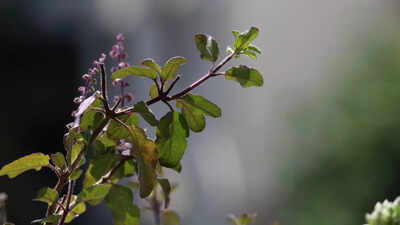
Tulsi, or holy basil, is something that people like to have in their homes and gardens because it is special to them. When winter comes, it can be really tough on the Tulsi. If you do not take care of the Tulsi in a certain way during the winter, it can start to look sick.
Tulsi needs extra care during the winter months to stay healthy and strong. Season change can be hard on the plants. This stress affects how basil makes food from sunlight, how its roots breathe and how strong its leaves are. So it is really important for people who grow basil to take care of their plants during the winter. As more people start growing tulsi in cities and places with winters, it is good to know how the winter weather affects the plants.
This way, people can help their basil plants survive and keep growing by using methods that are based on real experiments and experience with plants.
Why Tulsi plants are prone to damage during winters
Tulsi is really sensitive to winter. When it gets cold, it can be really bad for Tulsi. The cold stress affects the parts of the Tulsi that you can see and the roots that are underground. This makes Tulsi more likely to get sick and have trouble growing. The cold is just not good for Tulsi at all.
- Sensitivity to low temperatures and frost exposure
- Reduced daylight affecting photosynthesis
- Slower water uptake by roots
- Higher risk of fungal and root diseases
- Stress from indoor heating and dry air
7 reasons to start your day with Tulsi water on an empty stomach
7 Essential winter care measures for Tulsi plant health
To keep Tulsi safe during the winter, you need to make some changes. You do not have to do a lot of work. Here are some things you can do to help your tulsi. These things will help the plant deal with the problems it faces when it is cold outside and stay healthy. Tulsi needs extra care during the winter.
- Maintaining a warm and stable temperature
- Providing adequate natural or artificial light
- Regulating watering frequency carefully
- Ensuring well-draining and insulated soil
- Choosing an appropriate placement indoors or outdoors
- Practising light pruning to reduce stress
- Monitoring and managing winter pests
1. Maintaining a warm and stable temperatureTulsi does well when it is warm. It likes temperatures above 15 degrees Celsius. If it gets too cold, the cold can hurt the parts of the plant and the things that help it work properly.In the winter, you should put the Tulsi plant in a spot where it gets warm during the day. Not where the cold air blows on it. This helps the Tulsi plant keep working as it should.If you have a Tulsi plant in a pot, it is a good idea to bring it inside at night. If you have a Tulsi plant outside, you need to keep it from getting frost on it.2. Providing adequate natural or artificial lightWhen winter days are shorter, Tulsi leaves do not get enough light to make food. This means they do not have a lot of energy.
The plants can become weak. The leaves can turn pale.To help the tulsi plant, you can put it near a window that gets a lot of sunlight. You should also turn the pot around sometimes so the Tulsi plant gets light on all sides.If your room is really dark, you can use lights to help the tulsi plant. These lights give the tulsi plant the light it needs without making it too hot.3. Regulating watering frequency carefullyWhen it is cold outside, the water in the soil does not evaporate quickly, and the roots of the plant do not absorb as much water.
This is why people often give their plants too much water during the winter, and this can cause the plants to decline. If the soil is too wet, the roots do not get oxygen, and this can cause fungus to grow. The roots need oxygen to be healthy.If you let the top part of the soil get a little dry before you water your plant again, this will help the roots get the oxygen they need. Cold water can be very shocking to the roots of the plant, and using water at room temperature helps to prevent this shock.
Using room temperature water and not giving the plant much water will help the plant stay healthy during the winter.4. Ensuring well-draining and insulated soilSoil structure is really important in winter. This is because soil that is compact or does not drain well will hold water for a time. On the other hand, soil that is loose and has a lot of organic material in it is very good. This type of soil helps the living things in the soil to be active, and it also helps the plants to get the nutrients they need, even when they are not growing very fast.It is an idea to use containers that have holes in the bottom so that water can drain out. This helps to prevent the water from staying in the soil for long. You can also wrap your pots with materials that let air through. This helps to keep the soil from getting too cold. It also protects the roots of the plants from the cold surface of the pot. 5. Choosing an appropriate placement indoors or outdoorsWhere you put the Tulsi plant is very important. The Tulsi plant needs to be kept in a place where it does not get too cold, too hot or too much light.
If you keep the Tulsi plant near a window, it will get sunlight, which is good for the Tulsi plant. At night, you should keep the Tulsi plant away from the cold window glass.The Tulsi plant should not be kept near heaters because heaters make the air too dry. If you are keeping the Tulsi plant outside, you should put it in a place that is protected from the wind. 6. Practising light pruning to reduce stressWinter growth in tulsi slows down naturally. This means that pruning tulsi much is not a good idea.
If you take off the damaged leaves, the tulsi plant will have more energy. This also helps prevent the tulsi plant from getting infected with microbes.Pruning the tulsi plant a bit is also good because it helps the air move around the tulsi plant. This is really helpful when you have the Tulsi plant inside your home. The air inside can be damp sometimes. Good air circulation around the Tulsi plant is very important.7. Monitoring and managing winter pestsDry indoor air during winter can encourage pests such as aphids and spider mites, which feed on plant sap and weaken foliage.
Regular inspection of leaf undersides allows early detection before infestations spread. Maintaining moderate humidity and adequate ventilation discourages pest development and supports overall plant resilience during the winter period.Disclaimer: This content is intended for general informational purposes only. It does not replace professional horticultural advice or account for individual growing conditions. Plant care requirements may vary based on climate, environment, and cultivation methods.Also Read | How to keep spiders out of your home using 7 simple and natural methods









 English (US) ·