

 1 hour ago
4
1 hour ago
4
ARTICLE AD BOX
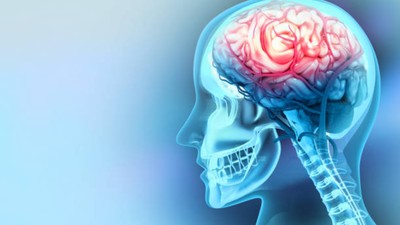
Brain aneurysms are among the most frightening and unexpected medical situations. Because they often display no symptoms before rupturing, brain aneurysms have been referred to as a "silent threat.
" An aneurysm happens when a blood artery in the cerebral cortex has a weak spot that causes the vessel to swell outward like a balloon. Even while most of these aneurysms will go undetected for years, a ruptured aneurysm can result in potentially fatal brain hemorrhage. The fact that most people will not exhibit any overt signs when this kind of illness is starting to develop makes treating aneurysms extremely difficult.
This raises further significant questions about the cause or causes of these vessels' degradation.Many brain aneurysms remain modest and stable throughout a person's life. These tiny, stable aneurysms do not put strain on blood arteries or obstruct blood flow. Because these tiny aneurysms don't cause any physical symptoms, most people who are diagnosed with brain aneurysms commonly find out about them by accident through scans done for other conditions, such as headaches, sinus issues, or other neurological checks.
The most serious issue with an aneurysm is not necessarily its size or stability before rupture, but rather the fact that when a vessel bursts, blood will immediately flow from the vessel into the surrounding brain tissue or to the outside of the brain, causing a potentially fatal condition called subarachnoid hemorrhage that needs to be treated right away. In a split second, aneurysms can switch from showing no symptoms at all to posing a danger of brain hemorrhage.
Blood vessel weakness: What causes it?
There Is No Single Cause for Blood Vessel Weakness The blood vessel wall is weakened by different structural, genetic, and physiological factors. Congenital Weakness – A congenital defect is present at birth and is thought to be inherited from previous generations. Some people may have minor defects in their brain artery walls from birth. These defects may remain stable for many year; however, as time passes, these defects may slowly increase in size under stress placed on the vessel.Hypertension and vascular stress: An area of a blood artery may finally fail because of the persistent and overwhelming force produced by high pressure against the vessel wall. The most common site of an aneurysm would be the parts of the artery where arteries branch out, as these places tend to be more vulnerable to failure.Effect of smoking: Smoking's Impact on Blood Vessel Damage Multiple studies showed a strong correlation between smoking and an increased risk of aneurysm development.
Numerous dangerous medications included in smoke irritate and destroy the blood vessel's endothelium. A person who has endothelium lining damage is more likely to develop an aneurysm.Family patterns and genetics: Although aneurysms are more common in some families than in the general population, this has not been well researched. However, thinner blood vessels are clearly linked to several inherited disorders, such as connective tissue illness. Age changes in arteries: As arteries age, their flexibility and bendability diminish. One of the reasons why there are more newly diagnosed aneurysms in persons over 40 is this progressive loss of flexibility and bend.
Ruptured aneurysms
Ruptured Aneurysms commonly present with the sudden onset of severe headache sometimes referred to as a “thunderclap headache”. Patients often describe it as the “worst headache of my life.” Other associated symptoms that can occur at the same time include vomiting, stiff neck, confusion, or unconsciousness.
Prompt treatment at the hospital is important because the rapid loss of blood can result in stroke, coma or death.
Early warning signs of an aneurysm rupture
Until they rupture, most aneurysms remain asymptomatic. However, when an aneurysm becomes big enough, it can occasionally compress the surrounding nerves, which causes symptoms including recurrent headaches, drooping eyelids, double vision, and facial discomfort. Most aneurysms are identified by imaging tests rather than by the development of symptoms since symptoms are rarely observed.
Treatment options
Due to advancements in neurovascular surgical methods, the prognosis of people with aneurisms has significantly improved over time. Currently, India employs two main therapeutic approaches: Endovascular coiling: This minimally invasive technique involves inserting coils straight into the aneurysm through an artery in the wrist or leg. By effectively sealing off the aneurysm from the bloodstream, these coils will stop it from rupturing.Microsurgical clipping: In this method, a neurosurgeon inserts a tiny metal clip at the aneurism's base to stop blood flow. Patients with complicated aneurismatic structures or those whose anatomy makes endovascular coiling impractical often receive this alternative.Even though aneurysms often go undetected, knowledge is key. A family history of aneurysms, neurological abnormalities, or sudden, intense headaches all call for quick medical treatment. Imaging advancements have made early detection more feasible, and timely action can avert disastrous consequences.Dr. Pravin Tukaram Survashe, Consultant - Neurosurgery, Manipal Hospital, Kharadi, Pune









 English (US) ·