

 1 hour ago
4
1 hour ago
4
ARTICLE AD BOX
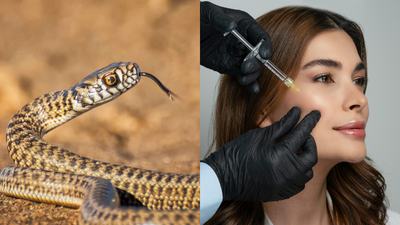
Botox is best known as a cosmetic injection that smooths wrinkles and softens facial lines. Now, researchers are exploring whether the same compound behind the beauty treatment, botulinum toxin, could be repurposed to limit the devastating tissue damage caused by venomous snakebites.A study published in Toxicon suggests botulinum toxin may reduce swelling, muscle injury and tissue death linked to viper venom. If confirmed through further research, it could potentially work alongside antivenom by targeting the intense local inflammation that often leaves snakebite victims with permanent disability.
How Botox could help snakebite victims
The idea is based on one of the biggest challenges in snakebite care. Antivenom can be life-saving, but it does not always stop the destructive effects that unfold at the bite site itself.
In many viper bites, venom rapidly triggers swelling, inflammation and muscle breakdown, which can lead to long-term complications even after a patient survives the initial envenoming.In the Toxicon study, researchers tested whether botulinum toxin could dampen this inflammatory reaction. Their findings suggest it may blunt the venom’s most damaging local effects, potentially reducing tissue destruction rather than only treating the immediate poisoning.
The research team focused on venom from the Chinese moccasin (Deinagkistrodon acutus), an Asian viper species known for causing severe muscle damage.In laboratory conditions, rabbits were divided into groups. One group received venom injections in the hind leg, another received venom plus botulinum toxin, and a control group received saline. After 24 hours, researchers examined tissue samples from the injection sites to assess swelling, muscle injury, and signs of immune activity.
The results: Less swelling and less muscle death
The difference between the groups was striking. Rabbits given venom alone developed significant swelling at the injection site and showed clear signs of muscle damage. But those treated with botulinum toxin alongside the venom experienced far less swelling, and the extent of muscle death appeared lower.While the results are early and limited to a controlled animal study, they raise the possibility that botulinum toxin could one day help reduce severe local injury after snakebites, especially in cases where the damage is driven as much by inflammation as by the venom itself.
Botox as an unexpected anti-inflammatory candidate
Botulinum toxin is most commonly associated with cosmetic dermatology, but it has also been used in medicine for conditions such as chronic migraine, excessive sweating and muscle spasticity. Previous research has suggested it may have anti-inflammatory properties, raising the possibility that it could support wound healing or limit tissue injury in certain settings.That potential anti-inflammatory effect is what made it a candidate for testing against venom-related muscle destruction, particularly in viper bites where inflammation can spiral quickly.
Snakebite remains a major global health burden
Snakebite envenoming continues to be a serious health threat worldwide, particularly in rural and underserved regions where emergency care may not be immediately available. Although antivenoms have reduced deaths significantly, many survivors still suffer permanent injuries.In severe cases, extensive tissue death can leave patients with long-term disability, loss of limb function, or even amputation.
The burden is not only medical but social and economic, as victims may struggle to work or care for families following recovery.
Why venom causes such extreme tissue destruction
Viper venom does more than circulate through the bloodstream. It can attack muscles and blood vessels locally, triggering a flood of immune signals that amplifies swelling and damage.This immune overreaction, often described as an inflammatory cascade, can worsen the injury by cutting off blood supply and accelerating tissue breakdown around the bite.
In effect, the venom causes direct harm, but the body’s intense inflammatory response can make the damage far more severe.
Why this matters even with antivenom
Antivenom remains the most effective treatment for neutralising venom toxins in the body and preventing death. However, it has a limitation: it does not always reverse or prevent the local tissue destruction that starts quickly at the bite site.That is why researchers are looking for supportive treatments that can work alongside antivenom.
A therapy that reduces swelling, inflammation and muscle death could make a major difference in preventing lifelong disability after snakebite.
Early-stage research, not a ready treatment
Despite the encouraging results, experts caution that this approach is still far from being used in real emergencies. The study was carried out in rabbits under controlled conditions, and real snakebites are more complex, involving unpredictable venom doses, delayed hospital treatment, and complications such as infection.There is also the critical safety issue. Botulinum toxin is extremely powerful, and any medical use outside its established applications would require careful dosing, clinical trials and strict oversight.
The bigger idea: Repurposing existing drugs for snakebite care
The study highlights a growing scientific push towards repurposing existing medicines for neglected health challenges. Developing new snakebite treatments is difficult because venom varies widely between species and regions, and antivenoms are often species-specific.A drug with an already-established medical track record could offer a faster route to innovation if it proves effective and safe for bite-related injury. Botulinum toxin is already used in hospitals worldwide, which could make it a realistic candidate for deeper investigation.
A surprising new path for a cosmetic toxin
For now, Botox remains best known for cosmetic use. But the Toxicon findings add to growing evidence that botulinum toxin may have wider therapeutic potential than many people assume.If future research supports these early results, botulinum toxin could one day play a role in reducing the most severe local damage caused by venomous snakebites, shifting from a beauty-clinic staple to a possible tool in emergency medicine.








 English (US) ·