

 3 days ago
80
3 days ago
80
ARTICLE AD BOX
Late one night, around a week after Adilur Zaman learnt that his mother Aheda Khatun had been ordered to leave India, he received a call on WhatsApp from an unknown number. It was his 46-year-old mother, calling him from a borrowed phone, he says.
She told him she didn’t know exactly where she was, “somewhere near Dhaka in Bangladesh”, Zaman says.
 Aheda Khatoon was one of 15 people from Assam’s Nagaon district – all of whom had been declared foreigners by tribunals – who were served “expulsion orders” on December 17, directing them to “remove” themselves from India within 24 hours. A fortnight later, the relatives of several others are yet to hear from them.
Story continues below this ad
The expulsion was as per an invocation of the 1950 Immigrants (Expulsion from Assam) Act, which was dormant since its enactment more than seven decades ago, till it was revived last year with the state Cabinet approving an SOP for its implementation.
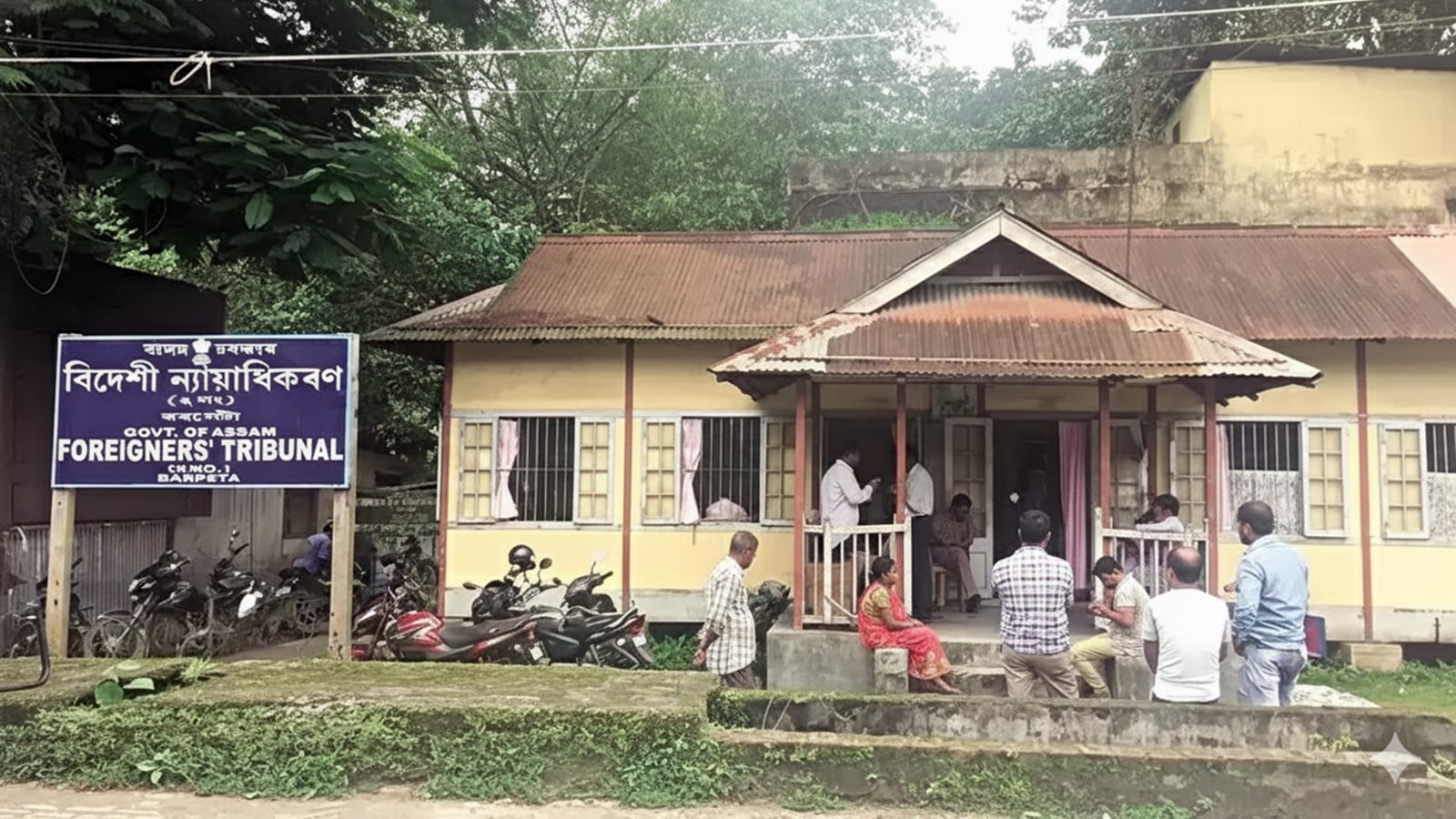
The Indian Express had reported how even as the families scrambled to try and seek recourse when they heard the news, the 15 were moved out of the Matia transit camp – Assam’s designated detention facility to house “illegal foreigners” – on December 19, towards the Indo-Bangladesh border.
Story continues below this ad
A resident of a village in Nagaon’s Juria, Aheda Khatoon was declared a foreigner by an FT in 2019. In 2025, she approached the Gauhati High Court in appeal against this, but her petition was dismissed by the court in August stating she had failed to challenge it “within a reasonable time”. Aheda Khatoon was then taken for detention to the Matia transit camp, after which the family approached the Supreme Court.
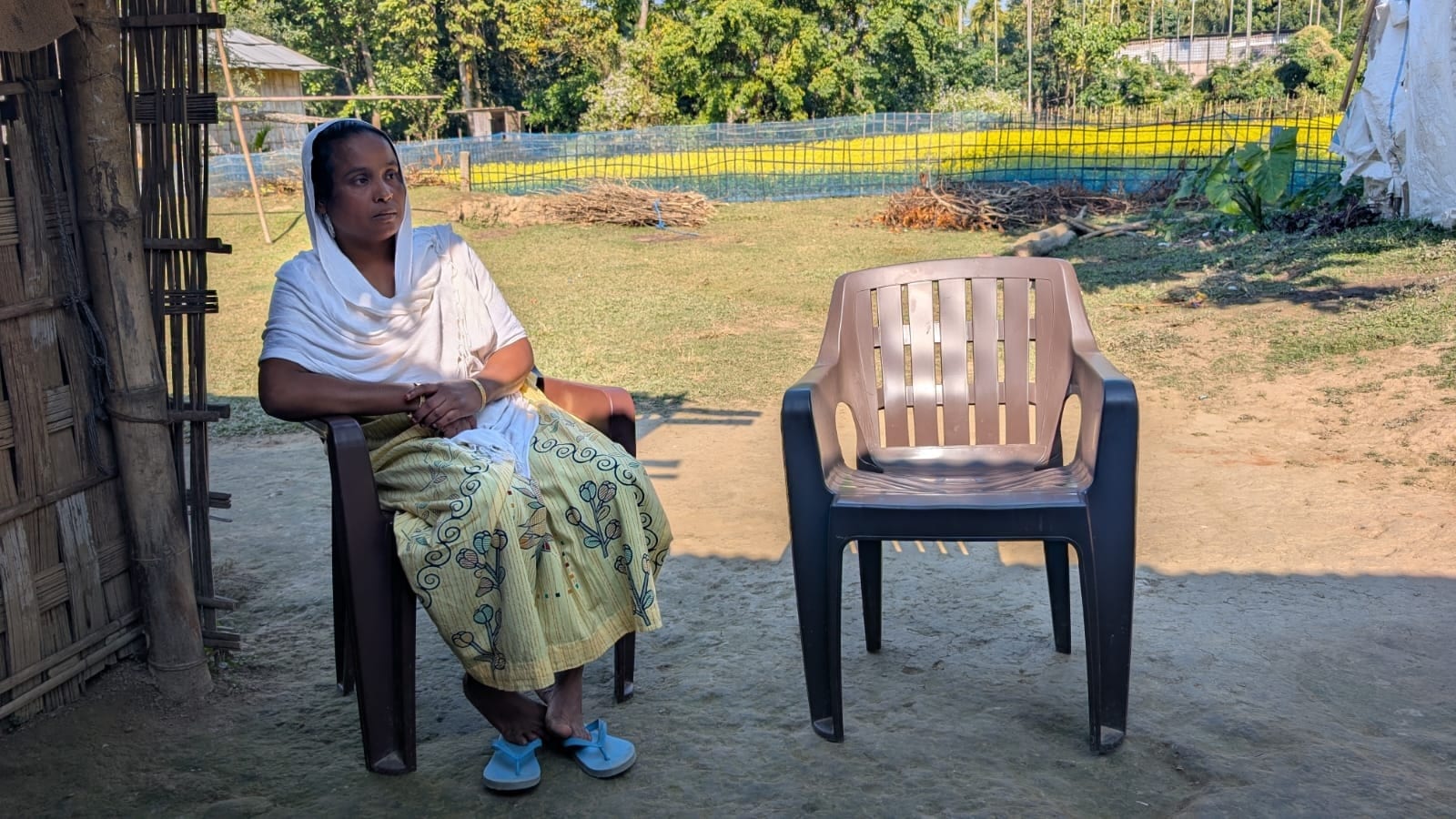
 A fortnight later, the relatives of several others are yet to hear from them. (Image Enhanced using AI)
Adilur said that for around six days after he heard his mother had been taken away from the Matia camp, he had no information about her whereabouts. “Then one night, at around 11.30-12, she called me up on WhatsApp. She had borrowed a phone… she knows my number by heart. I asked her where she was and told her we were all worried about her. She was crying. She said she had been let out of a vehicle in the middle of the night in an unknown place after being taken from the camp and had walked through a kind of jungle for two days. She said she spent several nights on railway platforms and days on trains, until a ‘tom-tom (e-rickshaw)’ driver offered help. She told me she was being sheltered by his family, though they are poor themselves,” Adilur said.
However, he said, she was not able to tell him exactly where she was. “She hasn’t even travelled to Nagaon (their local district headquarters) alone in her life,” said Adilur, who sells vegetables at a local market in Juria for a living.
Story continues below this ad
Another family has been contacted by one of those expelled. Mustafa Ali, whose neighbour Hussain Ali was one of the 15 people served expulsion orders, said the family received a call about a week after Hussain Ali was moved to the border.
“It was a video call to his wife Jahura from an unknown person, who said they were from the Border Guard Bangladesh. They showed us Hussain on the video call and told us he had given them that number and asked us to confirm if he was indeed her husband. When we confirmed, they said he was in a place called Phultola in Bangladesh and that he had been found all alone near the railway line there by locals, who had handed him over to the railway police,” said Mustafa, adding, “We weren’t allowed to speak to him, and that’s the only communication we have received so far.”
Ratur Rahman, however, has no idea where his father Nazrul Islam is now. Nazrul had been declared a foreigner in 2018. A review petition in the matter is currently before the Gauhati High Court, and the next hearing has been listed on January 28.
Story continues below this ad
“Our lawyer told us that when the matter comes before the court, we can seek some information about where he is,” Rahman said.
Aheda Khatoon’s lawyer representing her before the Supreme Court, Adeel Ahmed, also said they are waiting for the court to reopen after the winter break. “Her case is under challenge and we have got permission to have the matter listed urgently on January 5, the day the Court re-opens,” he said.
Assam Chief Minister Himanta Biswa Sarma reiterated this week that such legal options that a person declared a foreigner by an FT has is something that his government aims to bypass through the invocation of the 1950 Act, which allows expulsion “within a week” of an FT order, before an applicant can post a challenge.
Story continues below this ad
Legally, those declared foreigners by FTs can appeal in the Gauhati High Court and Supreme Court. Additionally, the formal process of deportation entails a handover to the authorities of the other country after mutual verification that an individual is a national of the other country. This has meant that while thousands of people have been declared “foreigners” over the years, deportation through this process has lagged.
Since May 2025, the Assam government has taken recourse to “pushing” declared foreigners “back”, or forcing them across the international border without any discussions with the other country. In September, the government claimed legal sanction for this process by reviving the 1950 Act, claiming the Supreme Court had directed it to employ the same.
Subsequently, it framed an SOP, and has invoked the Act on multiple occasions – directing declared foreigners to leave the country within 24 hours.
This week, Sarma said that with this process, the state government has bypassed the need for a treaty between India and Bangladesh on the issue. “We can now expel from 10,000 to 50,000 foreigners, if we can identify them. In the last five years if evictions (from government land) were a hallmark of the government, in the next five years, the hallmark will be the number of expelled foreigners,” he said.





 English (US) ·