

 7 hours ago
3
7 hours ago
3
ARTICLE AD BOX
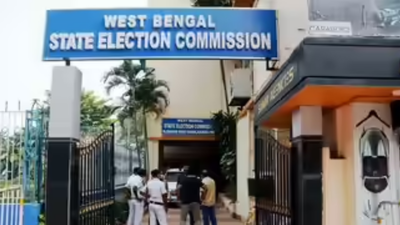
The Election Commission has released a list of over 58 lakh voters removed from the rolls.
KOLKATA: Barely hours before the publication of the draft electoral rolls in West Bengal, where Assembly elections are due early next year, the Election Commission of India (ECI) on Tuesday morning uploaded the list of voters whose names have been deleted under the Special Intensive Revision (SIR) process. The list, available on the Chief Electoral Officer’s website, contains names of voters who figured in the 2025 electoral rolls but were dropped from the 2026 draft rolls. According to news agency PTI sources, over 58 lakh SIR enumeration forms were marked “uncollectable”, leading to deletions on grounds that voters were either untraceable at their registered addresses, permanently relocated, deceased, or identified as duplicate entries across constituencies. The SIR exercise began on November 4.Scale of deletionsAccording to data, 58.21 lakh voter names have been identified for deletion, including:
- 24.17 lakh deceased voters
- 19.88 lakh relocated voters
- 12.20 lakh missing voters
- 1.38 lakh duplicate or fake voters
How to check your name Voters can verify their details online through eci.gov.in, ceowestbengal.wb.gov.in/SIR, or voters.eci.gov.in by entering their name or Elector’s Photo Identity Card (EPIC) number. Verification is also available via the ECINET mobile application. If online portals are inaccessible, voters may approach their respective Booth Level Officers (BLOs), who have been provided booth-wise draft rolls through a dedicated application.
Assistance can also be sought from Booth Level Assistants (BLAs) appointed by political parties.If your name is missing Electors whose names do not appear in the draft roll can submit Form 6 along with Annexure-IV to the BLO. Applications can be filed at the BLO’s office or online via voters.eci.gov.in or the E-NET App. Applicants will have to attend a hearing conducted by the Commission and submit proof of Indian citizenship and voting eligibility, explaining why their names could not be linked during the revision process.Documents accepted The EC will accept documents including:
- Government employee or pension identity card
- Birth certificate
- Passport
- Madhyamik or other educational certificates
- Residential certificate issued by a state authority
- Forest rights certificate
- Caste certificate
- Family register maintained by local administration
- Government-issued land or house allotment certificate
- Any document issued before 1987 by a post office, bank, LIC, or local authority
Access and hearings The draft rolls will be shared with all recognised political parties. Printed copies, however, will not be immediately available at Block Development Officer (BDO) and Sub-Divisional Officer (SDO) offices due to logistical constraints. The lists will instead remain accessible through district magistrates, BLOs, online portals and mobile applications. Hearings on claims and objections are expected to begin five to seven days after publication, once formal guidelines are issued.
The EC will continue verification even after the draft roll is published. “If citizenship-related objections arise, verification will be conducted through the Foreigners Regional Registration Office (FRRO) and the Ministry of Home Affairs,” an official said, adding that district magistrates across the state have been informed of the procedure.




 English (US) ·