

 11 hours ago
3
11 hours ago
3
ARTICLE AD BOX
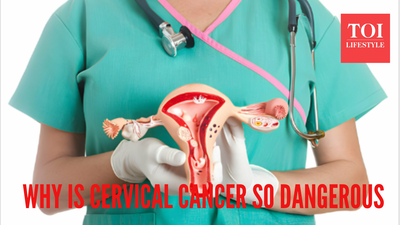
Every two minutes, a woman dies from cervical cancer somewhere in the world, according to the United Nations and the World Health Organization (WHO). The disease ranks as the fourth most common female cancer worldwide because it caused 660,000 new cases and 350,000 deaths during 2022.
The preventable nature of cervical cancer exists alongside its treatable status, yet this disease continues to cause numerous female deaths throughout the world mainly in developing nations, because these regions lack sufficient vaccine distribution, screening and treatment facilities.
Let's learn more...What is cervical cancerCervical cancer is a type of cancer that starts in the cervix, which is the lower part of the uterus (womb) that connects to the vagina (birth canal).
The condition develops gradually through multiple years when it starts by creating abnormal cell changes, which become known as precancerous lesions in the cervix. The treatment of abnormal cells requires immediate attention, because their progression into invasive cancer will destroy the cervix tissue, while it spreads to surrounding tissues and distant body locations.Human papillomavirus (HPV) causes 99% of all cervical cancer cases through its long-term infection of specific high-risk virus types.
HPV is a very common virus that spreads through sexual contact, and most sexually active people get infected with it at some point in their lives, usually without any symptoms. The immune system of most women successfully eliminates the virus, but some women experience persistent infection which causes gradual harm to their cervical cells resulting in cancer development.Why is cervical cancer so dangerousCervical cancer stands as a dangerous disease which causes high mortality rates among women, because it remains a major killer of women in low‑ and middle‑income countries.1. It often has no early symptomsIn the early stages, cervical cancer usually does not cause any clear signs, so many women do not know they have it until it has already advanced. The appearance of bleeding symptoms which occur between menstrual periods and after sexual activity and after menopause indicates, that the cancer has likely spread from the cervix to other body areas which reduces treatment effectiveness.2. It affects younger womenCervical cancer develops in women between 30 and 50 years old, which makes it different from other cancers, that primarily affect elderly women thus claiming the lives of numerous young mothers.

3. It is closely linked to HIVWomen who have HIV develop cervical cancer at a rate that is six times higher than women who do not have HIV. HIV weakens the immune system, so HPV infections are more likely to become persistent and progress to cancer much faster, sometimes in just 5–10 years instead of 15–20 years.
The number one cancer killer of women exists in specific regions of sub-Saharan Africa, while HIV infection acts as a primary factor which increases their mortality rates.4. It is preventable, but access is unequalThe fight against cervical cancer includes three essential tools which are the HPV vaccine, screening tests and medical intervention for precancerous tissue development. The majority of cervical cancer deaths occur in developing nations, because these countries lack sufficient HPV vaccine distribution, screening services and treatment options for their female population.
The wide gap between available healthcare services makes cervical cancer an extremely dangerous disease throughout these areas.

How does HPV lead to cervical cancerHPV exists as a separate entity from cancer, because it develops into cervical cancer when high-risk types such as HPV 16 and 18 persist in the body for extended periods. The high-risk HPV types create proteins E6 and E7 which disrupt normal cell growth control in the cervix, thus causing abnormal cell division that results in cancer cell formation.It usually takes 15–20 years for persistent HPV infection to cause precancerous changes and then invasive cervical cancer in women with a healthy immune system. The immune system weakness in women with untreated HIV, leads to a faster process which completes within 5-10 years. The development of HPV into cancer becomes more likely when someone smokes, has birthed multiple children or uses hormonal birth control for extended periods, or contracts other sexually transmitted diseases.What are the warning signsThe first signs of cervical cancer do not appear during its initial development, so patients need to undergo scheduled screening tests for detection. The development of cancer leads to several typical warning indicators which include...Bleeding occurs during three different times post sex and menopause.The vagina produces abnormal discharge which appears as water-like substance, or blood-like fluid, with a strong foul odor.Pelvic pain or pain during sexThe condition causes three main symptoms which include back or leg pain, leg swelling and problems with urination or bowel movements that appear during its advanced stages.Any of these symptoms should be checked by a doctor as soon as possible, because early diagnosis greatly improves the chance of successful treatment.How can cervical cancer be preventedThe World Health Organization (WHO) recommends a three-step method which prevents cervical cancer through a basic process.HPV vaccination – Give the HPV vaccine to girls aged 9–14 years, before they become sexually active.Regular screening – Women need to undergo high-performance test screening (HPV test) every 5–10 years beginning at age 30 (or age 25 for women who have HIV).The discovery of precancerous changes enables doctors to perform fast and easy procedures (such as cryotherapy or LEEP) which stop cancer from developing.The WHO has established a worldwide plan to remove cervical cancer from public health threats during the year 2030, through three main objectives which include vaccinating 90% of girls, screening 70% of women and treating 90% of women with precancer or cancer. The accomplishment of these targets will prevent millions of deaths which will occur during the next several decades.Disclaimer: This article is informational only and not a substitute for medical advice







 English (US) ·