

 4 days ago
12
4 days ago
12
ARTICLE AD BOX
Visakhapatnam: Several water supply pipelines in Visakhapatnam run along or intersect open drains, creating significant risks of contamination. The recent diarrhoea outbreak in Srikakulam, which affected nearly 150 people after drain water reportedly entered the drinking water network, underscores the urgency of addressing these vulnerabilities.
Much of the pipeline infrastructure was laid decades ago, and any damage, leakage, or structural weakness can amplify the risk of contamination, potentially leading to serious public health crises.Apart from the GVMC network, consumer service pipelines are often laid in an unplanned and unsafe manner. Many of these connections run along roadsides or through garbage-filled drains, particularly in the slums where space is limited.
Even in some other areas, residents have no choice but to route pipelines through drainage channels, further increasing the risk of water contamination and associated public health hazards.
A survey conducted in the city over the past two months identified nearly 448 locations where underground drainage lines or open drains intersect or run dangerously close to drinking water pipelines. Of these, the most vulnerable points have been prioritised for immediate intervention.
At such sites, the civic body is removing or rerouting water supply lines to reduce contamination risks. Given the urgency, minor rectification works are being executed directly to avoid delays associated with the tendering process, while larger projects are being taken up through formal tenders. During dry weather, drain flows typically recede and remain below pipeline levels, limiting direct contact. However, during the monsoon, rising drain levels can reach pipelines, increasing the likelihood of infiltration through leaks or weaknesses.
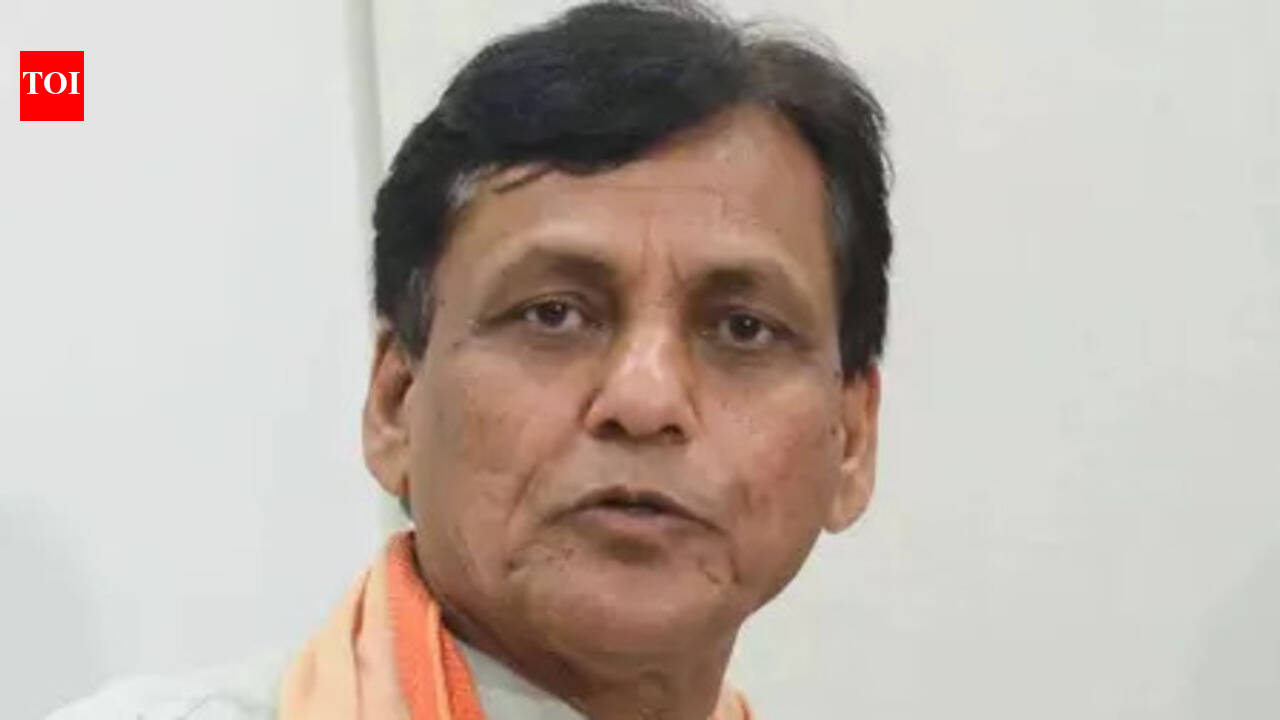
Experts note that desiltation of drains is being undertaken to lower flow levels and further minimise the chances of cross-contamination between drainage and drinking water networks.GVMC commissioner Ketan Garg stated that the corporation is actively working to prevent contamination by identifying pipelines that pass through drains and shifting them wherever necessary. For this purpose, works worth an estimated Rs 4 crore have been initiated to relocate 448 water pipelines crossing drainage channels within GVMC limits. "Around 3,000 free residual chlorine water quality tests are being conducted to ensure drinking water safety. In addition, a mobile water testing van is regularly deployed to check water quality on-site across various localities. Water treatment plants and reservoirs in the city are cleaned once every three months, while scour valves are opened every 15 days to flush and clean pipelines," said Garg."Drinking water is thoroughly treated to meet all quality parameters and supplied to all 98 wards under GVMC jurisdiction from key sources, including the Godavari, Raiwada, Gosthani, Thatipudi, and Meghadrigedda. The treated water is distributed to residents of Visakhapatnam through the municipal tap network. We urge citizens to exercise caution in the usage and storage of drinking water," Garg added.




 English (US) ·