

 1 hour ago
4
1 hour ago
4
ARTICLE AD BOX
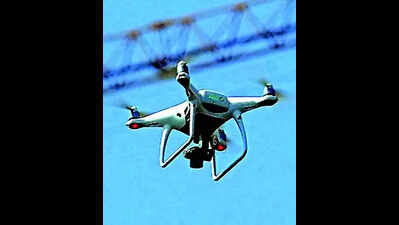
MUMBAI: From drone surveillance outside sensitive centres to CCTV cameras inside exam halls, the state govt has rolled out an extensive, multi-layered security plan to prevent cheating during the upcoming Class 10 and 12 exams.
The measures include police escorts for question papers, surprise inspections, closure of photocopy shops near centres, and strict criminal action against anyone caught facilitating malpractices.Exam centres identified as sensitive or high-risk will be under heightened watch. Authorities have been directed to ensure CCTV coverage not just on the premises but also inside exam rooms, with video footage stored and made accessible to district officials throughout the exam period.
Drone cameras and external video recording will also be deployed to monitor movement around select centres, particularly those with a history of irregularities.
To prevent leaks and outside interference, police or home guard personnel will escort question papers during transport, while govt vehicles may be requisitioned for moving question papers and answer sheets to and from collection centres. Police deployment has also been ordered at exam venues to ensure that no external disturbance disrupts the process.
Photocopy shops within 500m of test centres will remain shut during exam hours and prohibitory orders will be enforced in surrounding areas. Flying squads and static inspection teams will conduct checks across centres, with officials instructed to ensure that students are not harassed in the process. Govt has warned that any cheating or assistance in malpractice will attract action under Maharashtra Prevention of Malpractices Act, 1982, which allows for cognisable and non-bailable offences. However, Maharashtra State Federation of Junior College Teachers' Organisation raised objections in a letter, cautioning that compulsory CCTV coverage, data storage and continuous surveillance will impose a significant financial burden on many junior colleges, especially aided and rural institutions already grappling with fund constraints. It said private aided schools established after 2008 do not receive financial or operational support from govt and would, thus, have to bear the entire costs of installing and maintaining CCTV systems.
Deputy director of education Rajesh Kankal said, "Very few schools may still not have CCTV surveillance in the city. The numbers may be a bit higher in rural areas, which needs to be checked with the board, but largely, most schools do already have CCTV cameras."





 English (US) ·