

 16 hours ago
5
16 hours ago
5
ARTICLE AD BOX
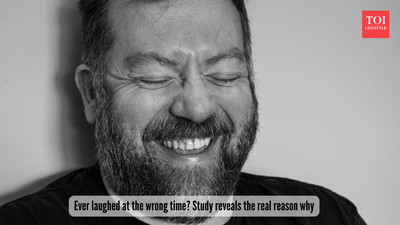
Science reveals why suppressing laughter is nearly impossible, especially in social settings. A study found that while facial muscles show suppressed laughs, amusement still rages internally, leading to snorts and smirks. Group laughter amplifies jokes, making suppression futile and even intensifying amusement when attempts fail.
Ever laughed at the wrong moment, be it during a quiet meeting, a solemn setting or a serious conversation? We've all been there, trying immensely hard to suppress and control a giggle only to end up bursting out in a laughter, when your face betrays you.It might be hard to think and analyse the reason behind it, but science now sheds light on why holding back laughter feels impossible, especially around others.A recent study reveals the unique reasons behind this bizarre situation, which we often find ourselves in, unwantedly.
Ever laughed at the wrong time Study reveals the real culprit
Why laughter fights back
A Nature study from November 2025 shows suppressing emotions hides your face but leaves amusement raging inside. During the research, they measured facial muscles during jokes, suppressing cut visible laughs, yet folks rated them just as funny.
That's why snorts or smirks sneak out during unwanted situations, and feelings don't fade. Cognitive reappraisal, like picking apart the joke's flaws, lessens the intensity of the joke, but lets some expressions slip.
Distraction helps to avoid both by shifting the focus elsewhere.
Representative Image
The pull of group laughs
Nothing is more infectious than hearing others crack up, but it wrecks your poker face. The same research found that others' laughter makes jokes funnier and suppression useless, and faces twitch despite efforts.
It's the social setting, their laughs clubbed with yours that overrides control. This builds group bonds, mimicking to sync emotions. Tiny leaks like micro-smiles mean to be huge inner glee.
When holding back fails
Trying to stay straight-faced can boomerang, intensifying the tickle. Study participants' small twitches were linked to peak amusement under suppression, according to Nature's data. The brain juggles to get control and stimulus, causing more tension over relief.
Social signs dominate, making solo wins crumble in company. This probably explains why "don't laugh" dares lead to more laughter leaks in unexpected situations.
So, how does one stay calm and avoid laughter in such situations?
The study says that suppression and distraction best curb face moves, and redirecting attention reduces the funniness. One can combine them, analytically, then shift focus to dodge eye contact or chatter in order to avoid contagious contact of laughter.







 English (US) ·