

 1 day ago
2
1 day ago
2
ARTICLE AD BOX
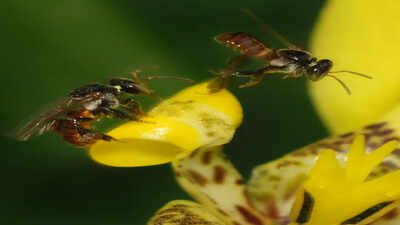
Peru has enacted groundbreaking legal ordinances granting explicit rights to native stingless bees, recognizing them as subjects of law with rights to live and reproduce. Image Credit: Wikimedia Commons
The Peruvian Amazon is home to a small native stingless bee that has long lived alongside local communities. The native stingless bee has long lived among the jungle vegetation and contributes to the health of the tropical rainforest.
To many observers, these small insects may seem like just one of many organisms in the vast tropical forest, often overlooked in global conservation efforts. What makes these bees unique, however, is that a momentous legal change has suddenly catapulted them to world fame.The ordinances reflect a notable shift in how some communities think about environmental protection. Interestingly, from an article titled Legal rights for insects: a global imperative for stingless-bee conservation, published in Nature, these measures are indeed a huge breakthrough for environmental law.
Regional authorities are increasingly adopting non-anthropocentric approaches to conservation.A historic legal shield for the primary pollinators of the AmazonTo understand the sheer magnitude of this decision, one must look at how these local laws transform the status of insects from simple biological entities into actual subjects of law. The global analysis published in Nature explains that in Satipo and Nauta-Loreto in Peru took the unprecedented step of formally approving local ordinances that grant explicit legal rights to native stingless bees.
The ordinances say the bees have rights to live, reproduce, and exist in a healthy environment.The ordinances add another legal tool in efforts to address deforestation and pesticide use. In light of the information presented within the Nature study, the new set of environmental regulations gives the local conservationists, activists, and even members of the native populations a legal right to bring a suit to court against any harmful project or individuals who harm the bees in any way.
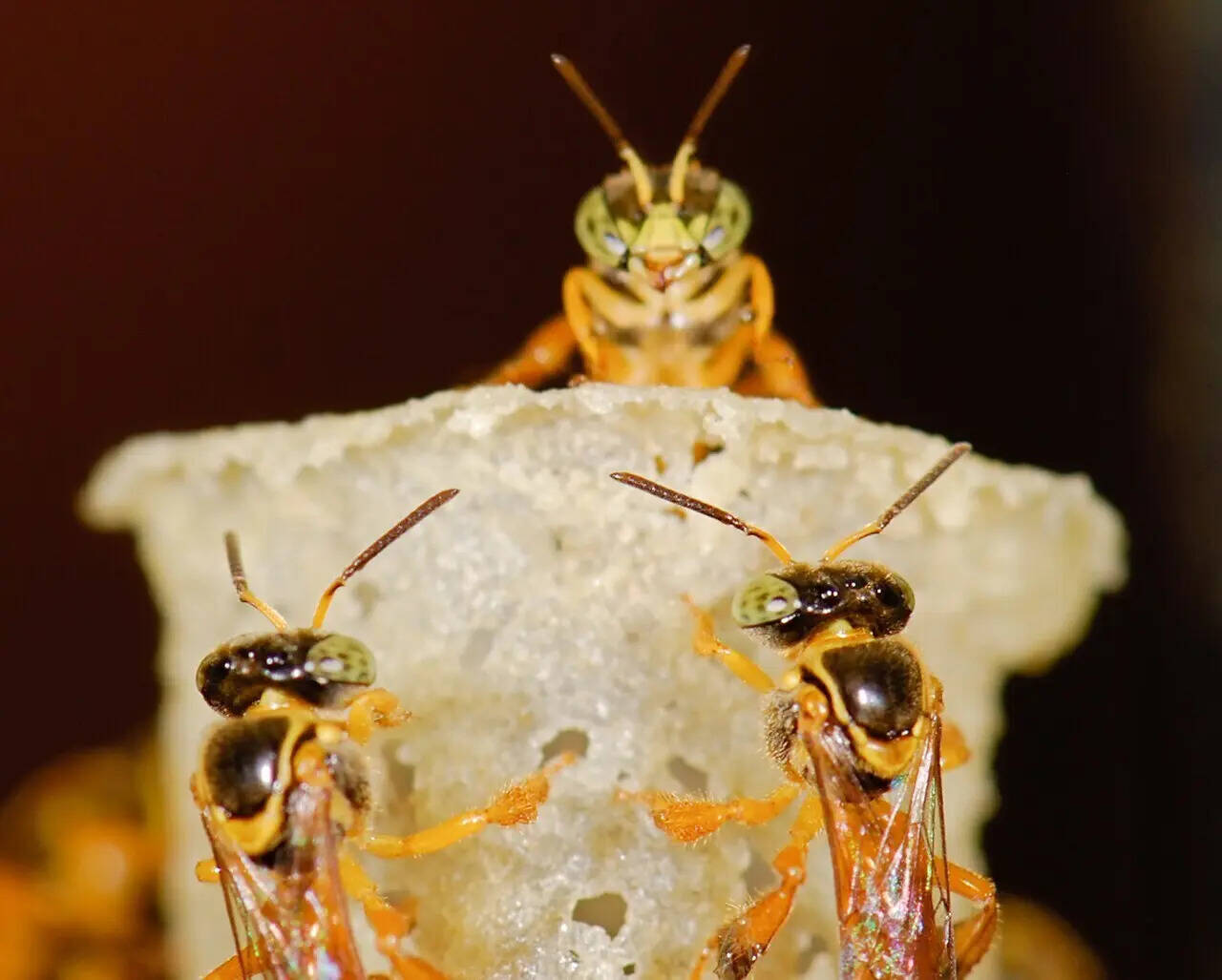
Peru has granted legal rights to native stingless bees. This historic move recognizes these insects as subjects of law, protecting their right to exist and reproduce. The legislation also safeguards Indigenous communities' ancestral knowledge and traditional uses of bee products. Image Credit: Wikimedia Commons
Protecting ancestral knowledge and global ecological balanceEfforts to protect native stingless bees grew out of cooperation between scientists and local Indigenous communities, who have long cared for the environment. As the Nature study explains, stingless bees are crucial to a healthy ecosystem because they pollinate many plant species in the Amazon basin. The bees support local ecosystems and can benefit agriculture and forest health.Apart from these tangible environmental gains, the landmark legislation is an essential measure in protecting the cultural heritage of the native populations. Traditionally, indigenous people have engaged in sustainable beekeeping for ages and relied on the special properties of the honey, pollen, and medicinal propolis obtained from this type of insect to treat diseases. By placing this insect under national protection through these ordinances, the law helps safeguard both the species and the traditional knowledge behind its protection.
Conservationists worldwide are now taking a keen interest in the legislation and considering whether to replicate it in their own regions.









 English (US) ·