

 2 hours ago
3
2 hours ago
3
ARTICLE AD BOX
India and Germany have elevated their strategic relationship by signing 19 memorandum of understanding (MoUs) and making eight major announcements during German Chancellor Friedrich Merz’s official visit to India from January 12 to 13, as per newsonair reports. The visit, Merz’s first to India and his first to Asia as Chancellor, aimed to deepen cooperation in defence, trade, clean energy, skills, education, and mobility.At the centre of the announcements was a Joint Declaration of Intent to enhance bilateral defence industrial cooperation, signaling a push toward closer collaboration in defence manufacturing and technology.The creation of a Chief Executive Officers' Forum, which will unite business executives from both countries to advance trade, investment, and private-sector involvement, was another significant choice.Visa-free transit: A welcome move for Indian travellers

One of the most immediate and people-centric developments that emerged from this meeting was the announcement that Indians will now be eligible for visa-free transit in Germany. What does this mean? It will mean Indians traveling to a third country via German airports will no longer be required to have a Schengen visa for transit purposes.In practice, that would also mean Indian passengers travelling through major German hubs, such as Frankfurt or Munich, can now enjoy the option of avoiding the paperwork, charges, and delays associated with visa applications, provided they remain within the international transit zone and do not enter Germany.
Read more: Sikkim mandates online permits for foreign tourists visiting protected areas Prime Minister Narendra Modi welcomed the move, saying it was an important step that would facilitate smooth international travel for Indians. According to a joint statement on India–Germany relations, the policy “will not only facilitate and ease travel for Indian nationals, but will further intensify people-to-people links,” adding that such connections create one of the important pillars of the strategic partnership.
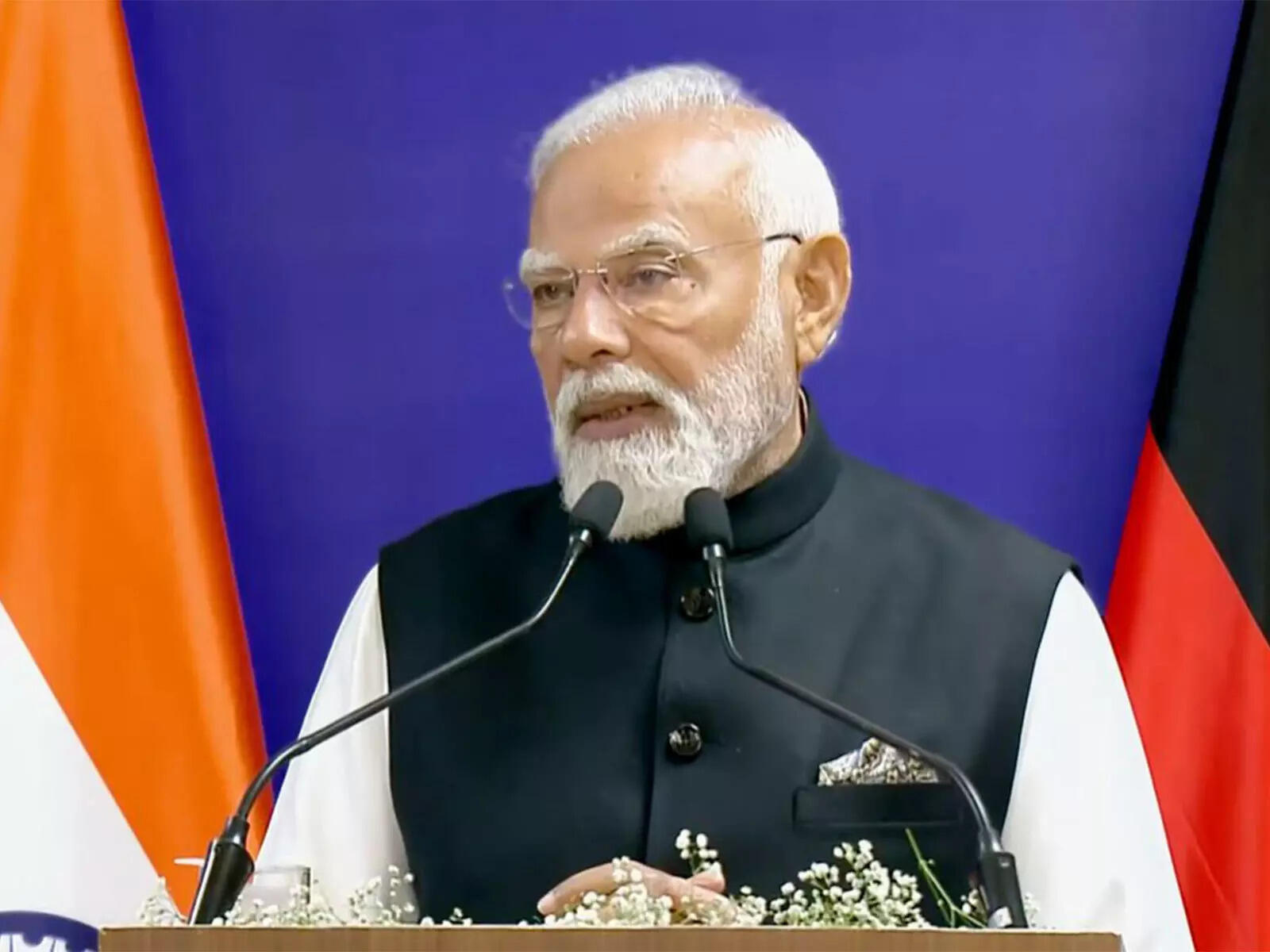
PM Modi invites German universities to open in India, thanks Chancellor Merz for visa-free transit for Indian citizens
However, this facility applies only to transit passengers. Indian travellers visiting Germany or other Schengen states for business, tourism, or family visits will still require the relevant visa.Defence, trade, and cultural exchangesIn a press briefing, Foreign Secretary Vikram Misri described the visit as a “significant engagement,” with discussions centred on enhancing cooperation in defence, trade, skills development, green energy, and mobility.Both countries agreed on the need for a greater people-to-people connection and acknowledged the role that the Indian community had played in the German economy and society. Another aspect covered in the joint statement is the enhancement of cooperation in the field of education.Green partnership receives a strong boostRead more: Himachal Pradesh: Daily helicopter services to connect Shimla with Kullu and Kinnaur from January 14Under the Green and Sustainable Development Partnership, Germany pledged a significant amount to promote initiatives in climate-resilient urban infrastructure, green hydrogen, and renewable energy. This action strengthens Germany's standing as an essential ally in India's transition to sustainable energy and its more general climate objectives.Green hydrogen was identified as an important area of interest that represents the common will of both nations to cut dependency on fossil fuels and boost the transition to sustainable energy solutions.







 English (US) ·