

 16 hours ago
3
16 hours ago
3
ARTICLE AD BOX
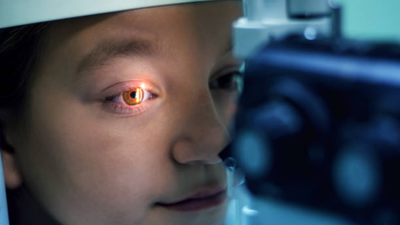
Most of us don’t think much about our eyes unless something feels off. A headache, a fever, or even blurry vision can send us straight to a doctor, but when everything seems normal, eye health often slips to the bottom of the priority list.
After all, if you can see clearly, what’s there to worry about?The truth is, some of the most serious threats to vision don’t announce themselves with discomfort or obvious changes. They develop quietly, over time, while daily life carries on as usual. Seeing well today doesn’t always mean your eyes are truly healthy.January’s Glaucoma Awareness Month serves as a reminder to pause and pay attention to long-term eye care, not just glasses prescriptions or screen fatigue, but the kind of conditions that can impact vision for life if caught too late.
It’s about asking better questions, understanding personal risk, and knowing when to get checked even if nothing feels wrong. Against this backdrop, doctors are urging people to learn more about glaucoma, who is most vulnerable, why it often goes unnoticed, and what can be done to prevent a late diagnosis that could permanently change the way you see the world.
Glaucoma: Causes and symptoms of this blindness causing disease
We at TOI Health spoke to Dr. Chaithra Anup, MBBS, DNB, Glaucoma Consultant, Keshava Netralaya; Dr.
Vineet Sehgal, Senior Glaucoma Consultant, Sharp Sight Eye Hospitals about glaucoma, the risks and most important how to catch it early.
Why is glaucoma often called the “silent thief of sight?
"Glaucoma earns that name because it usually causes damage without announcing itself. Most patients feel no pain, no redness, no sudden blur. Vision loss begins quietly at the edges, not the centre, so people continue reading, driving and working without noticing anything wrong.
By the time symptoms become obvious, a significant portion of the optic nerve is already damaged—and that loss cannot be reversed. Patients are often shocked when we explain how much vision has already gone, because subjectively, they felt “normal” for years.
That silence is what makes glaucoma so dangerous," says Dr. Vineet.
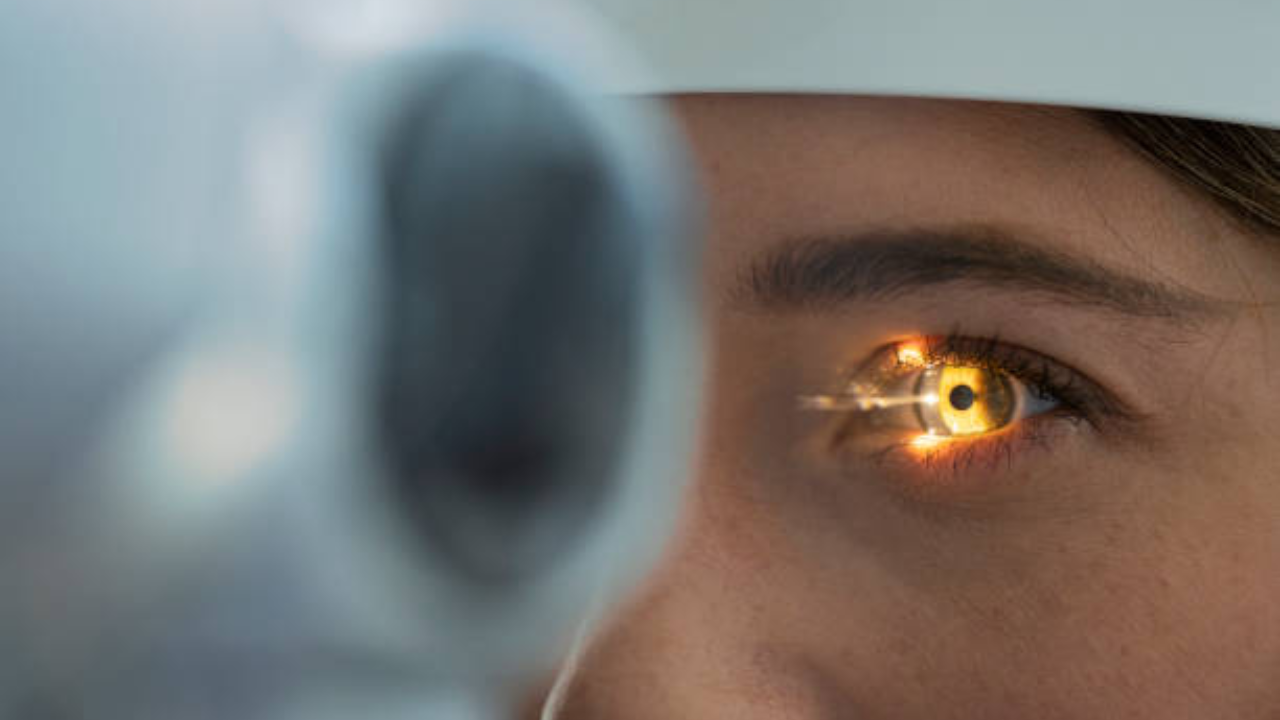
Dr Chaithra says, glaucoma is dangerous because it attacks peripheral vision first, not central vision.
This means patients continue reading, driving, and working without realizing their field of vision is slowly narrowing. By the time they notice bumping into objects, missing steps, or struggling with side vision, 40–50% of optic nerve damage may already be permanent.
In your experience, what is the most common reason people get diagnosed with glaucoma too late?
Dr Vineet says, the biggest reason is simply that people don’t get their eyes checked unless something feels wrong. Many assume eye exams are only about glasses.
Others avoid check-ups because they see well and feel fine. Dr Chaithra sheds light on the lack of awareness around eye examinations. "routine eye tests are often misunderstood. Many people believe that checking vision on a chart or getting spectacles is a complete eye examination. Glaucoma requires specific tests like optic nerve evaluation, eye pressure measurement, visual field testing, and sometimes OCT scans.
Without these, glaucoma can be completely missed," she says.
Can you describe what vision loss from glaucoma feels like, and how it differs from cataracts?
Dr Chaithra explains, "Patients don’t usually say, “I can’t see clearly.” They say things like, “I feel less confident while walking,” or “I miss people approaching from the side,” or “Driving feels stressful at night.” It’s as if the world is slowly closing in from the edges, creating a tunnel-like vision in advanced stages. What’s unique and cruel about glaucoma is that the brain compensates for missing visual information.
So patients don’t “see black patches”; their brain fills in the gaps, making the loss harder to detect until it becomes severe. This is why glaucoma damage often goes unnoticed even by intelligent, observant individuals. Cataracts, in contrast, affect vision in a very different way. Cataract patients complain of cloudy, hazy, or faded vision, glare from lights, difficulty reading, or washed-out colors. Importantly, cataracts affect central vision early, and patients are very aware that something is wrong."" Glaucoma doesn’t blur vision initially; it erases it bit by bit, starting from the periphery. That’s why cataracts feel obvious and fixable, while glaucoma feels invisible until it’s advanced," Dr Vineet adds.
If there’s one message you wish every person over 40 (or younger) understood about glaucoma, what would it be?
"I wish people understood that glaucoma is not something you feel—it’s something you find. Good vision does not mean healthy eyes. A simple eye examination, done regularly, can detect glaucoma early and protect sight for life.
Once vision is lost, we cannot bring it back, but if caught in time, we can slow or stop further damage. Waiting for symptoms is the biggest mistake. Even younger people with family history should be checked.
Your eyesight deserves attention before it gives you a reason to worry," says Dr Vineet.Dr Chaithra urges people to take routine examinations seriously. "I want people to think of glaucoma the way we think of blood pressure or diabetes conditions that require regular screening, not symptom-driven visits. A simple, comprehensive eye examination once a year can be the difference between lifelong vision and permanent disability. This message is especially important for people over 40, but younger individuals with a family history, high myopia, diabetes, or steroid use should be equally vigilant.
"







 English (US) ·