

 1 week ago
9
1 week ago
9
ARTICLE AD BOX
Last Updated:January 07, 2026, 07:00 IST
Some countries still follow their own calendars instead of the Gregorian system used by most of the world.
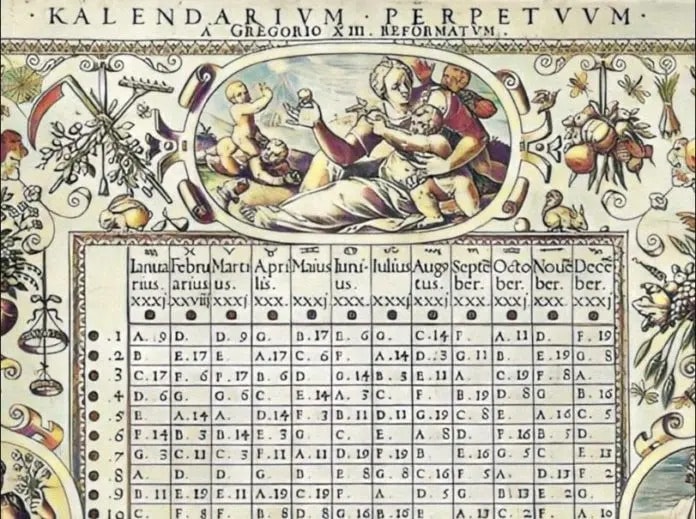
Not Everyone Follows January 1: While most countries follow the Gregorian calendar, some nations still use traditional calendars for daily life. These systems reflect history, culture, and belief. New Year dates differ, showing how time is marked differently across regions.
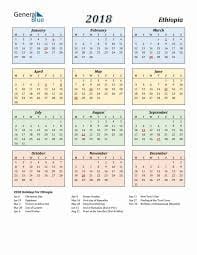
Ethiopia: Ethiopia follows the Ethiopian calendar, which is about seven to eight years behind the Gregorian calendar. It has 13 months. Ethiopians celebrate the New Year, called Enkutatash, on September 11 or 12 with church prayers, music, and family meals.
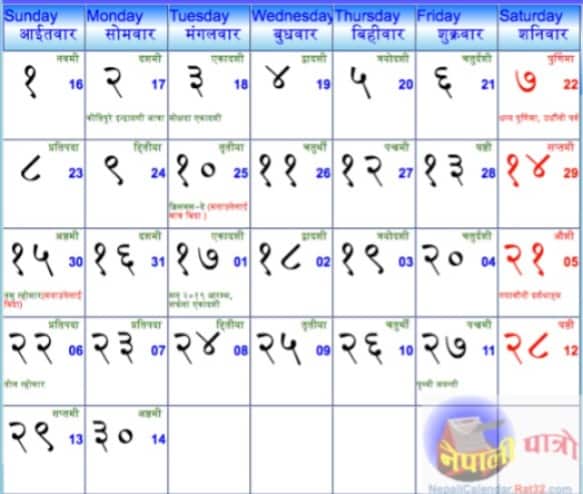
Nepal: Nepal uses the Bikram Sambat calendar, which runs around 57 years ahead of the Gregorian system. The Nepali New Year falls in mid-April. Streets fill with parades, food, and rituals, especially in Kathmandu and Bhaktapur.
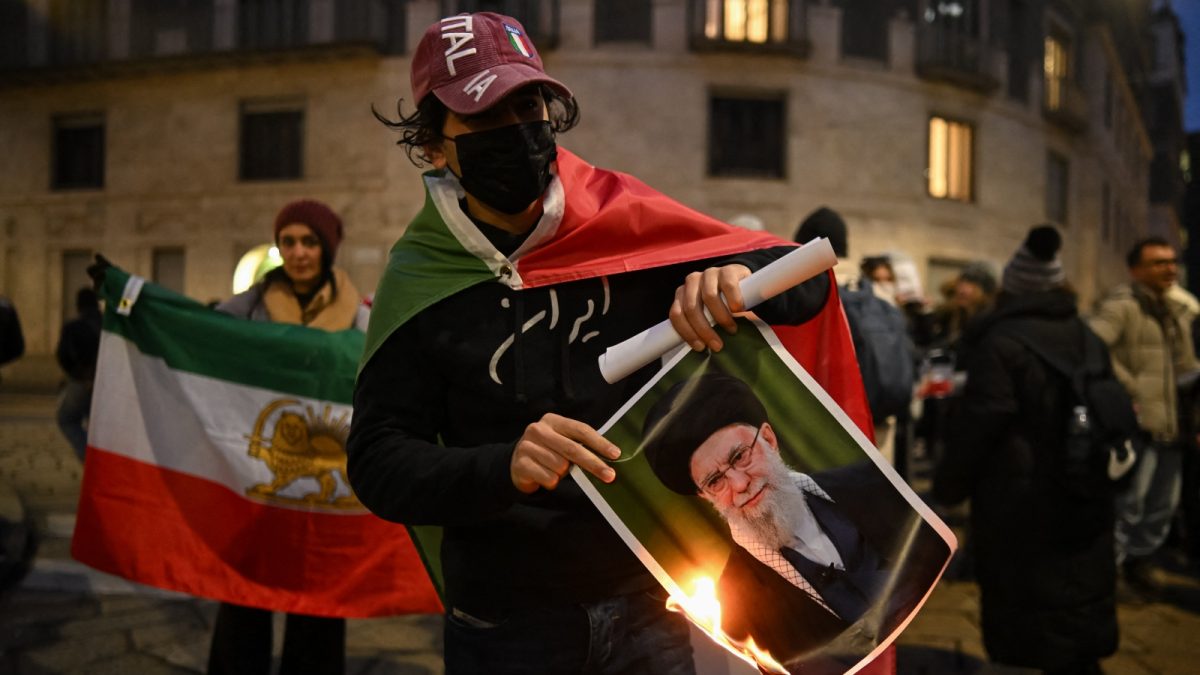
Iran: Iran follows the Solar Hijri calendar, a highly accurate solar system. The New Year, Nowruz, begins on March 20 or 21 during the spring equinox. Families clean homes, set symbolic tables, and welcome renewal rooted in ancient traditions.
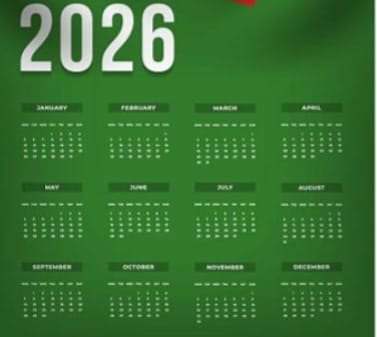
Afghanistan: Afghanistan also uses the Solar Hijri calendar, locally called the Shamsi calendar. Like Iran, its year begins with Nowruz in spring. This calendar is used in schools, offices, and daily life, while lunar calendars guide religious events.
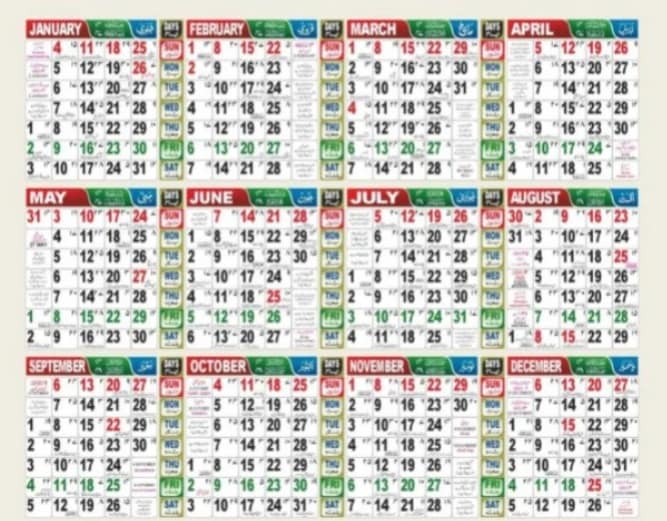
How Solar Hijri Works:
The Solar Hijri calendar has 12 months and follows the sun’s movement closely. It aligns with real seasons better than many calendars. Leap years are adjusted carefully, making it one of the most accurate systems still in use today.
North Korea: North Korea uses the Juche calendar alongside the Gregorian calendar. Juche years begin from Kim Il-sung’s birth in 1912. While months and days stay Gregorian, the year count follows this political system in official use.
Dual Calendar Countries: Some countries use more than one calendar at the same time. Saudi Arabia adopted the Gregorian calendar for offices in 2016, but still follows the Islamic Hijri calendar for religious events like Ramadan and Eid.
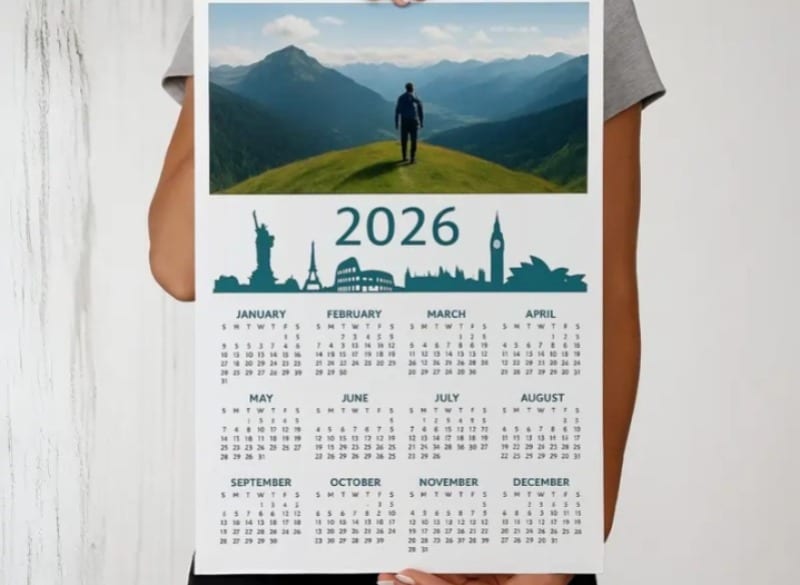
Why These Calendars Matter: These calendars are not outdated systems. They reflect identity, tradition, and the local rhythm of life. Festivals, farming cycles, and social planning often depend on these calendars more than the global Gregorian system.
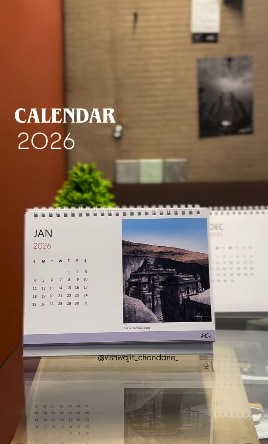
Time Is Cultural Too: Calendars show how societies understand time, seasons, and history. While the Gregorian calendar dominates globally, countries like Ethiopia, Nepal, Iran, and Afghanistan prove that timekeeping can follow many paths, not just one global rule.
News Photogallery viral Gregorian Rebels: Ethiopia, Nepal, Iran, Afghanistan - And North Korea No Longer?



 English (US) ·