

 2 hours ago
4
2 hours ago
4
ARTICLE AD BOX
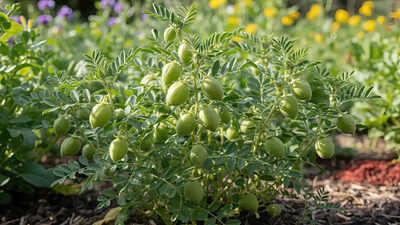
It feels great to grow your own food at home, and chickpea cultivation is one of the most satisfying experiences you can have while growing plants in pots. Whether you have limited space on your garden soil or are just looking for some easy and simple projects for your home garden kitchen, you can successfully grow chickpeas in your garden pot with the right strategy.
Chickpeas are also referred to as garbanzo beans or chanas. These are drought-resistant legumes that prefer well-drained soil and lots of sun exposure. With the right pot, soil mixture, and watering care, anyone can have happy and healthy chickpea plants right on their balcony garden, patio garden, or even window garden. While some other vegetables might require large garden beds and special care in your garden soil, chickpeas are quite adaptable and compatible with pots.
This makes them the most suitable choice for gardeners who are just starting in their urban city homes.
Grow chickpeas using container gardening: A step-by-step guide
The best thing about container gardening is that it is perfect if you do not have any space for gardening in your yard, or if you want to have your plants right by your side. Chickpea plants are bushy types and short in stature; they do not require deeper soil, which makes them ideal for container gardening. The following steps will help you grow chickpeas at home easily.
- Choose the right container
The initial step would be to choose a pot which would accommodate the growing requirements of chickpeas. One should use a pot that is a minimum of 12 inches deep. This would ensure proper growing conditions for the roots. Chickpea roots would not like to grow in wet soil. Hence, proper drainage holes would be necessary at the bottom of the pot.
Chickpeas require a lighter and well-drained potting mix than dense garden soil.
A good potting mix consisting of compost with sand is ideal for proper drainage and a good root system. Stagnant soil varieties should be avoided for growing chickpeas because they become waterlogged easily and can cause root rot to the plant.
- Give them plenty of sunlight
Light is a critical element in chickpea plant growth. Position your pot in an area where it can take in 6-8 hours of direct sunlight per day. Getting plenty of sunlight helps to enhance stem strength, flowering, and plant development.
In hotter climates, it may help to have it in places where it receives afternoon shade to avoid stressing the plants due to high temperatures.
- Sow seeds directly for best results
Chickpeas resent the disturbance of their roots. This means it’s best to plant seeds directly into your pot rather than transplanting seedlings. Plant your seedlings 1 to 2 inches deep and several inches apart when planting multiple seedlings within a large pot. This will help your seeds go into their desirable resting state.
Chickpeas like medium and occasional watering, as opposed to constant moisture. Water your potted chickpea when the surface 1 to 2 inches of the soil feel dried up to the touch. Too much water may result in excessive growth of the plant and fewer chickpeas. Established chickpea plants can thrive in dry weather conditions.
- Feed and support your plants
Chickpeas create their own nitrogen through soil bacteria, so they generally don’t need heavy fertilisation.
Getting some compost and mixing it with the soil before planting is sufficient for nutrients. You might need to use a balanced fertiliser low in nitrogen if your soil is not nutritious enough.
- Harvest at the right time
Chickpea plants take about 90 to 100 days to bloom, but this varies according to breed. They will be ready to harvest once their pods turn brown and dry. If you prefer fresh green chickpeas, you can harvest when pods are still plump and green.
For dried chickpeas, wait until pods become brittle, then shell and store the seeds in a cool and dry place.
Common problems and how to fix them
If your plants appear weak or slender, you should relocate them to a location receiving more sun.
Soil moisture must be checked constantly, as waterlogged soil translates into root problems.
Sometimes aphids and beetles are visible. These pests can be kept at bay with organic spray or strong water spray methods.
Too many plants per pot depresses yields by hindering air circulation. Remove the extra ones to space them evenly.








 English (US) ·