

 1 hour ago
4
1 hour ago
4
ARTICLE AD BOX
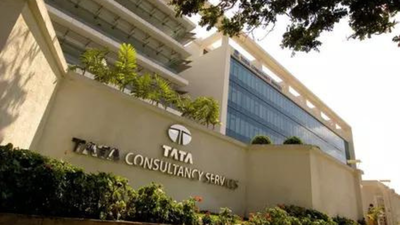
Bengaluru: TCS's performance in the December quarter came in below analysts' expectations on both revenue growth and earnings (Ebit) margins. Despite global uncertainty weighing on spending, demand for tech-led transformation remains resilient.
In an interview with TOI, CEO K Krithivasan and CHRO Sudeep Kunnumal discussed the demand environment, hiring outlook, and the trajectory of its AI-led revenues. Excerpts:If Q2 marked the start of demand improvement and Q3 sustained it, what indicators give you confidence that this momentum will carry into 2026?Krithivasan: The total contract value is good despite this being a seasonally weak quarter. On the AI front, a couple of quarters ago, there was a lot of experimentation; today, many real projects are going live in production.
Customers are willing to sign new projects based on return on investment and payback periods. This gives us confidence that they are willing to engage, both on cost optimisation and transformation.With discretionary spending still selective, are short-cycle and rapid-build AI projects becoming a growth lever?Krithivasan: This quarter, our AI services revenue moved to $1.8 billion on an annualised basis from $1.5 billion last quarter.
The reason we talk about these rapid AI-led projects is that they deliver defined, committed outcomes in a short period. While AI is incremental today, it will become material over time.With TCS headcount down about 31,000 over 2 quarters, should AI-led growth decouple from traditional headcount expansion?Sudeep: Our demand for high-quality talent remains strong. We continue to hire while investing heavily in upskilling our existing workforce.
We are hiring from campuses, laterals, and leadership roles globally.Will TCS recalibrate its campus hiring target of 40,000 given AI-led productivity gains? Some peers are offering Rs 20 lakh entry-level salaries. Will TCS match that?Sudeep: We don't want to commit to a specific number. Demand is robust, traction is strong, and we are actively hiring from campuses at scale. Over the last 2-3 years, we adopted a tiered salary and talent structure and the share of hires in higher tiers increased significantly.If fresh H-1B approvals are closer to 1,000, does that imply nearly $100 million in visa fees?Sudeep: We applied in anticipation, but it is not necessary that we use all those visas. Over many years, we invested in building strong local employer brands. In the current quarter, most requirements were met through local hiring, reducing dependency on H-1Bs. We remain on track with our plan to hire around 15,000 people locally in the US in the next 3 to 5 years.Are investors concerned that a debt-fuelled AI data-centre build-out exposes risks?Krithivasan: Our investment thesis is grounded in strong demand in the country. Data centre costs are about 30% lower than in western markets, thus making India attractive for AI training and inference. There is also a growing need for sovereign data centres. With a balanced mix of debt and equity, we do not see material downside risks.






 English (US) ·