

 2 hours ago
3
2 hours ago
3
ARTICLE AD BOX
Last Updated:January 15, 2026, 07:30 IST
At her political zenith, Mayawati’s birthday celebrations were indistinguishable from state events.
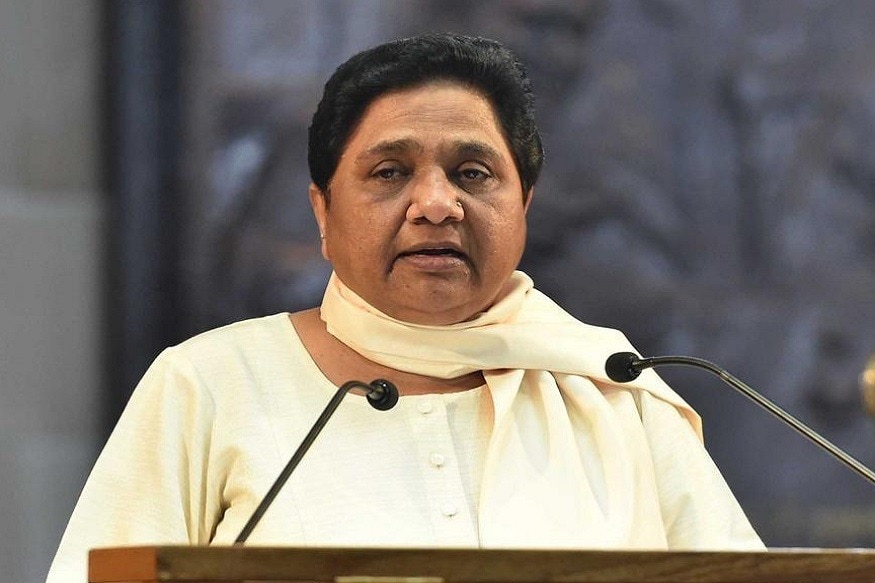
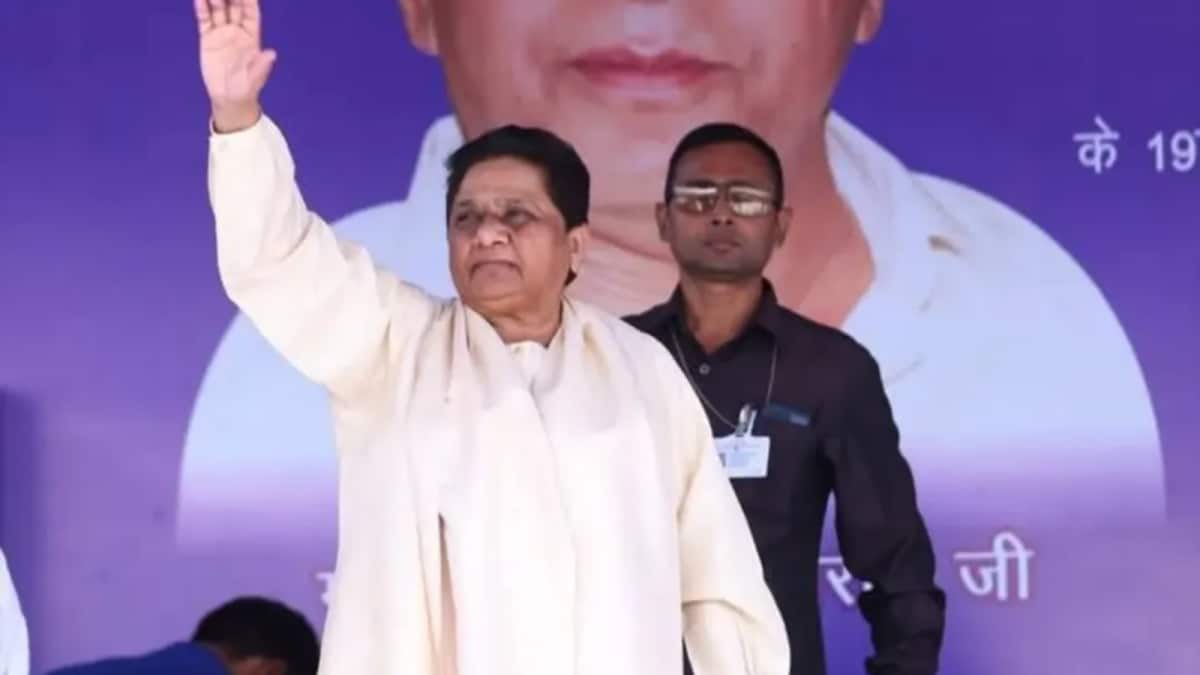
For nearly two decades, Mayawati’s birthday on January 15 was a political spectacle. In the 2000s, the day doubled as a show of power for the Bahujan Samaj Party (BSP), which saw mammoth rallies, ostentatious displays of wealth, and choreographed demonstrations of loyalty that dominated headlines and TV screens. Today, the date passes in near silence, officially observed as Jankalyankari Diwas, a day of welfare messaging, cadre meetings and carefully worded statements.
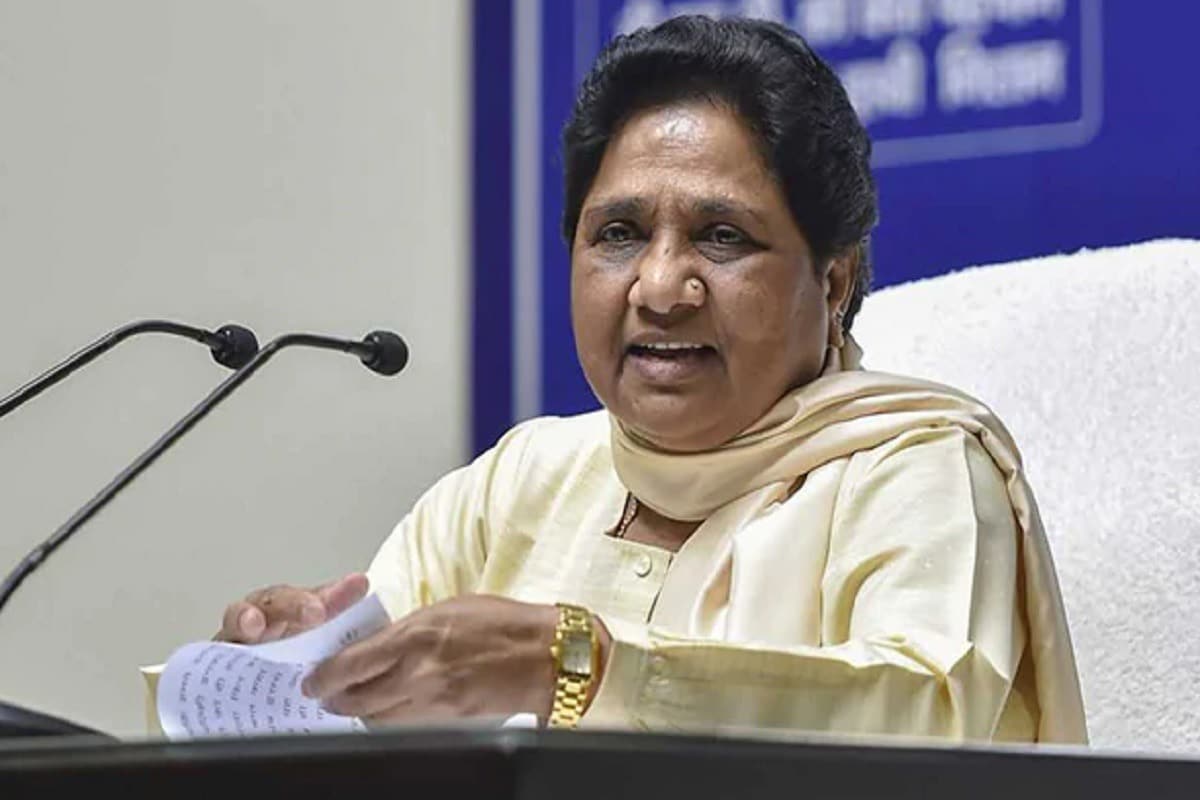
The transformation of former UP Chief Minister Mayawati’s birthday is the same as the arc of her political journey. From peak authority in Uttar Pradesh to a subdued presence on the national stage.
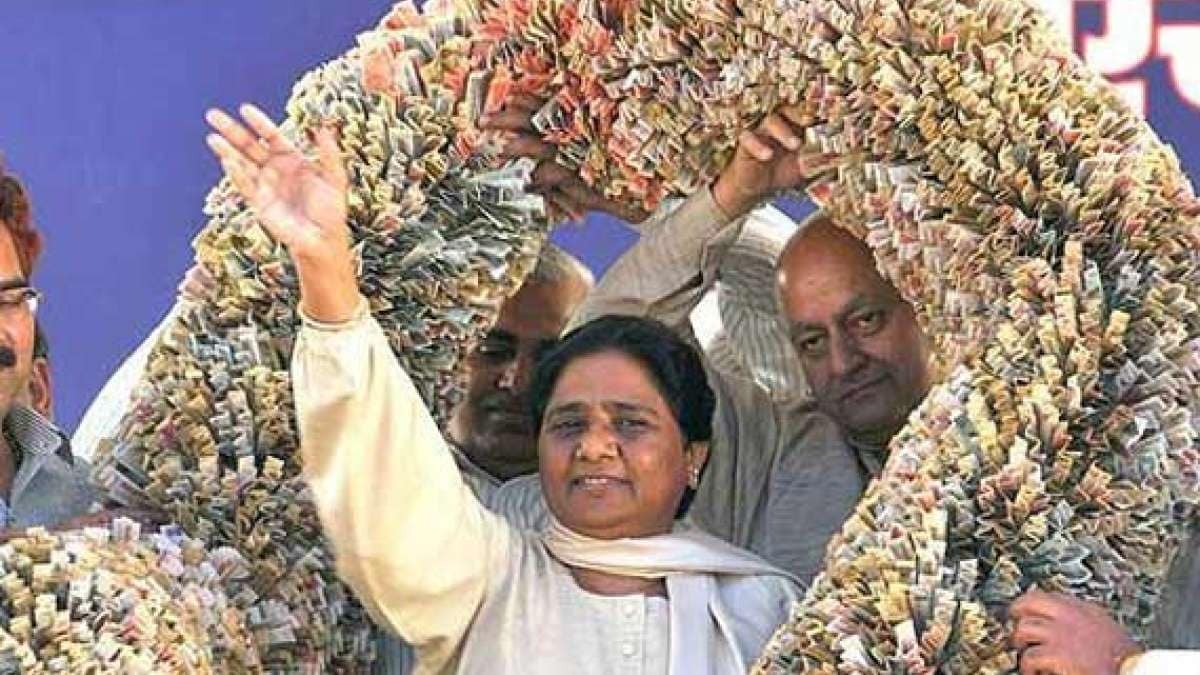
At her political zenith, Mayawati’s birthday celebrations were indistinguishable from state events. In 2003, her 47th birthday rally in Lucknow was controversially declared government-sponsored. Supporters showered her with garlands made of currency notes. Pictures of the image led to outrage, with the opposition accusing her of misusing public funds.
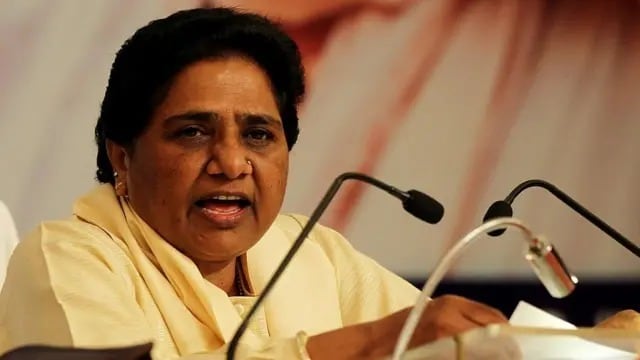
The scale only grew. By 2006, during her fourth term as chief minister, celebrations sprawled across UP. There were feasts, diamond jewellery on display, and lavish banquets at the Ambedkar Memorial in honour of her 51st birthday. Estimates pegged the expenditure at over Rs 20 crore.
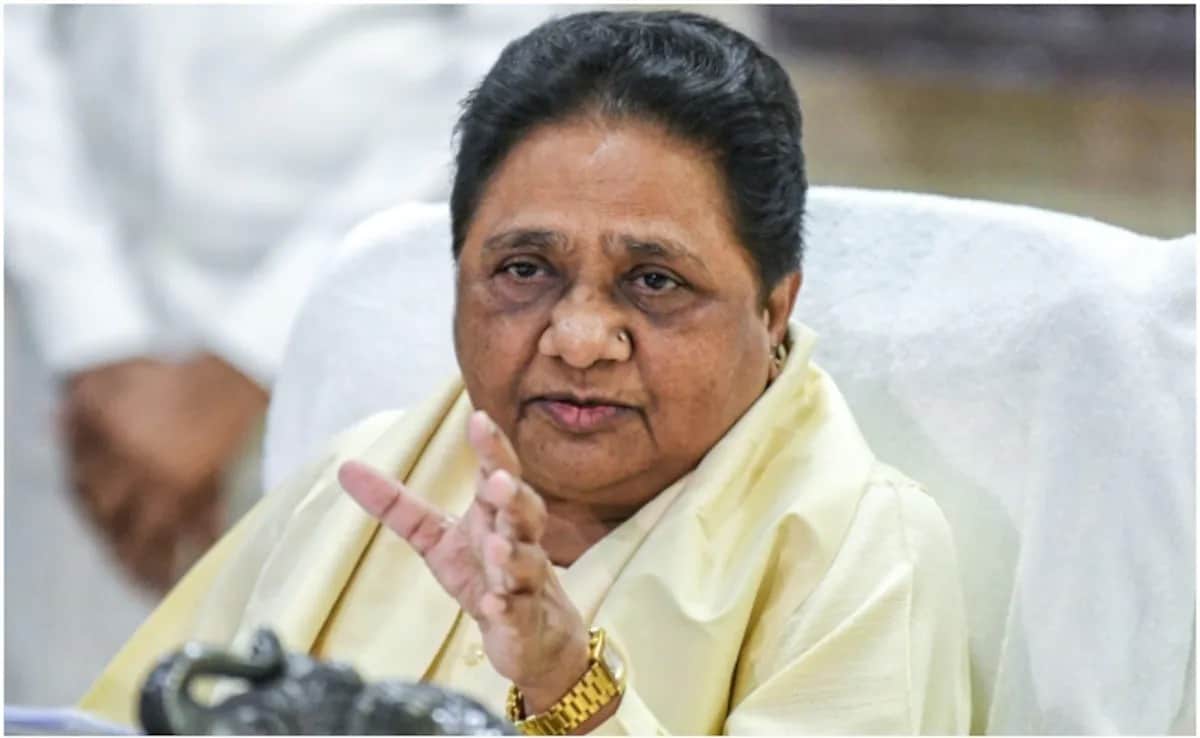
The 2007 birthday followed her emphatic “Sarvajan” victory, a moment when Mayawati appeared politically invincible. Giant cut-outs dotted Lucknow, helicopters showered rose petals, and donations worth crores were publicly collected for the political leader’s 52nd birthday.
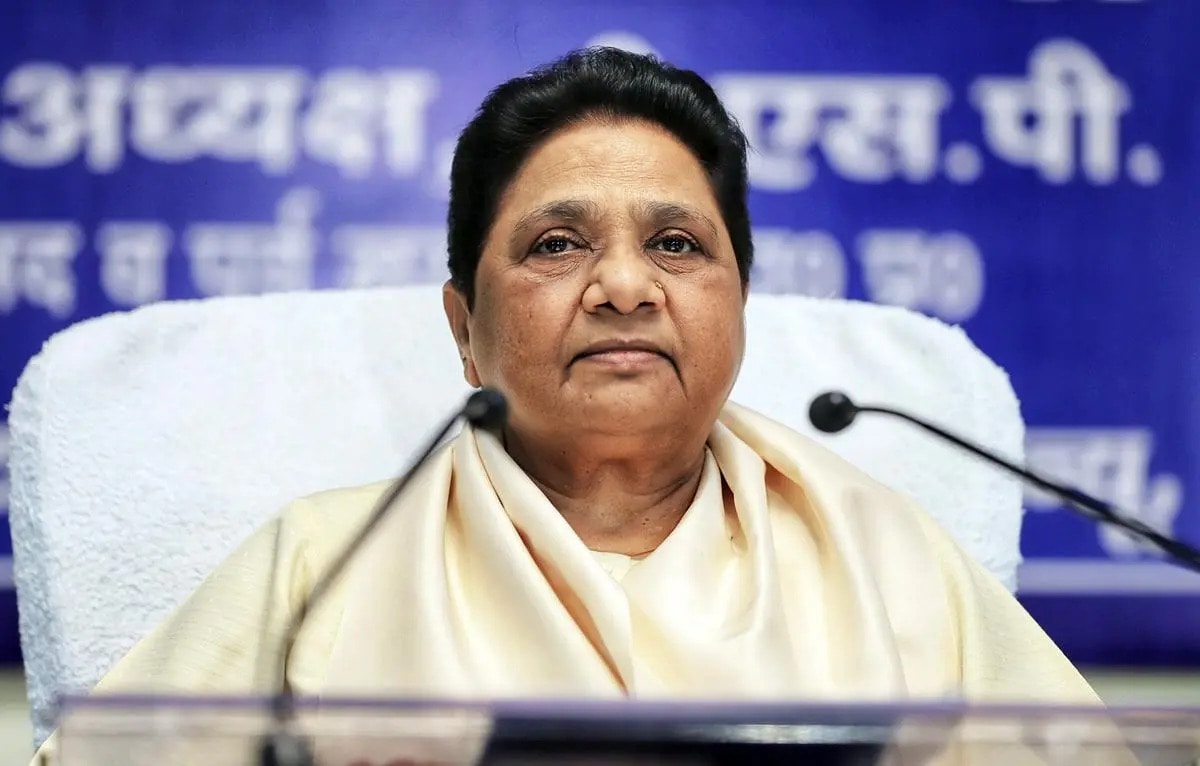
In 2008, over 50,000 people gathered at the BSP’s Mall Avenue headquarters. Luxury convoys, fireworks and helicopter flyovers turned the event into what the opposition called a “birthday bash-up”.
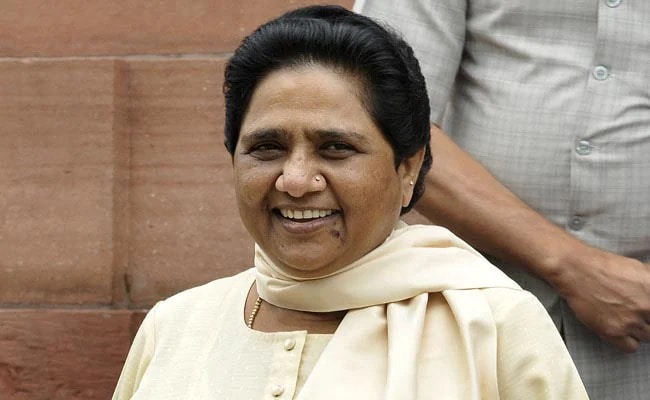
The year 2009 saw imported cakes, designer sarees and live performances, even as Mayawati attempted to reframe the day by announcing welfare schemes worth over Rs 7,000 crore.
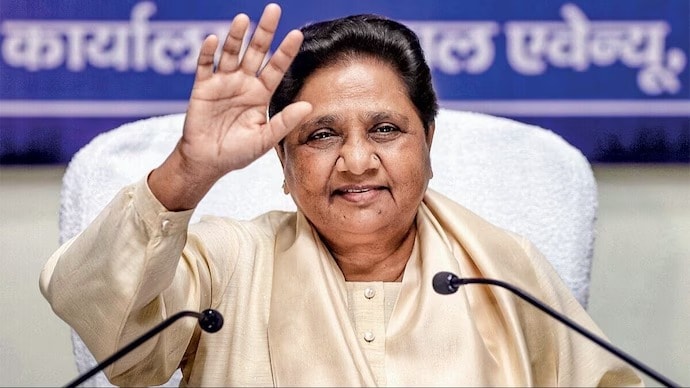
The 2010 silver jubilee year arguably was the peak. Elephant processions, silver statues, the distribution of one lakh laddoos and garlands reportedly worth crores in honour of her 55th birthday dominated headlines. Soon after, the CBI began investigating allegations of disproportionate assets, including the infamous currency-note garlands.
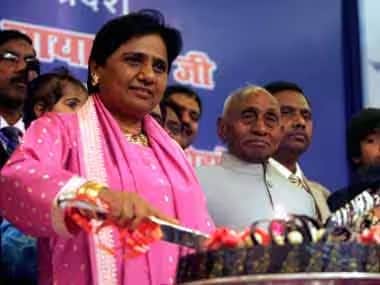
Even in 2011, celebrations at Narhi Park featured a 100-kg cake, celebrity shows and branded hampers, earning the tag of UP’s priciest political party. 2012 saw the last mega rally, a pre-election show of fireworks and crowds, before the BSP’s defeat in the assembly polls.
After that, the music stopped. Post-2012, Mayawati’s birthday events steadily shrank. The Samajwadi Party came to power in the state.
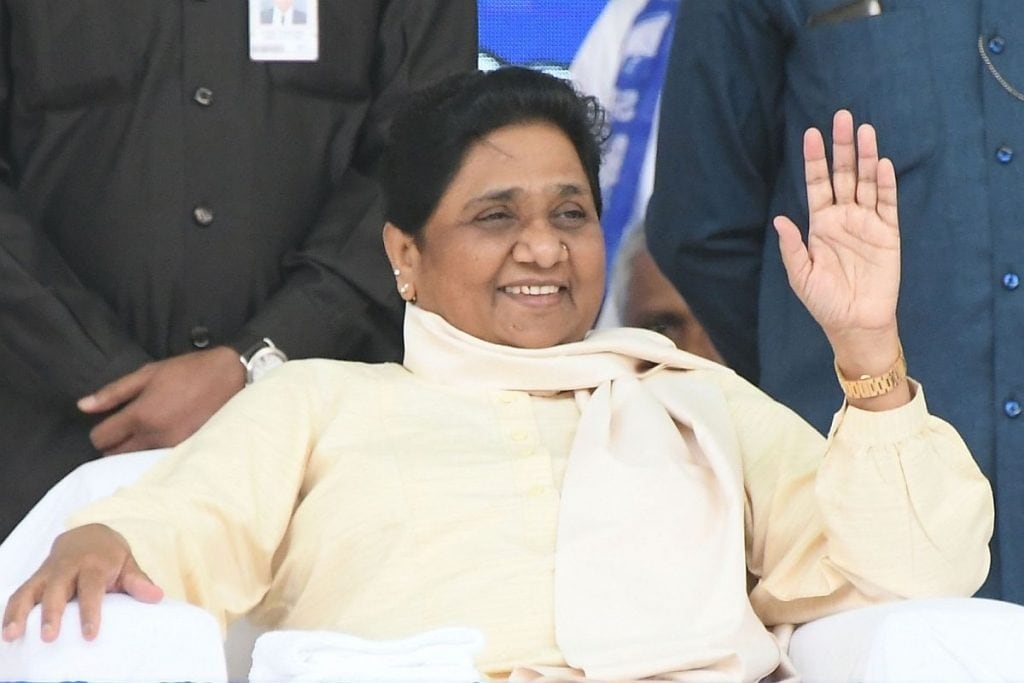
The rallies disappeared, the helicopters were grounded and January 15 was officially recast as Jankalyankari Diwas. Instead of mass mobilisation, the BSP celebrated the day with low-key gatherings, internal meetings and statements focused on social justice and welfare.
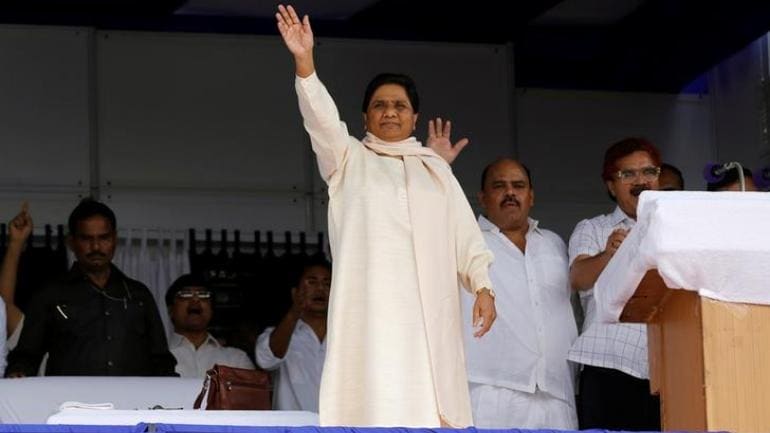
By 2026, what was once a national media event became a largely organisational exercise, much like Mayawati’s political standing. Several forces worked to push Mayawati out of the glare. Her ideological pivot in 2007, from Kanshi Ram’s core Bahujan Samaj politics to the Sarvajan Samaj experiment, diluted the BSP’s distinctive identity. While it briefly brought upper-caste support, it alienated sections of her Dalit base without securing lasting new allies. The numbers, from a 30.4 per cent vote share in 2007 to under 13 per cent by 2022, tell the story.
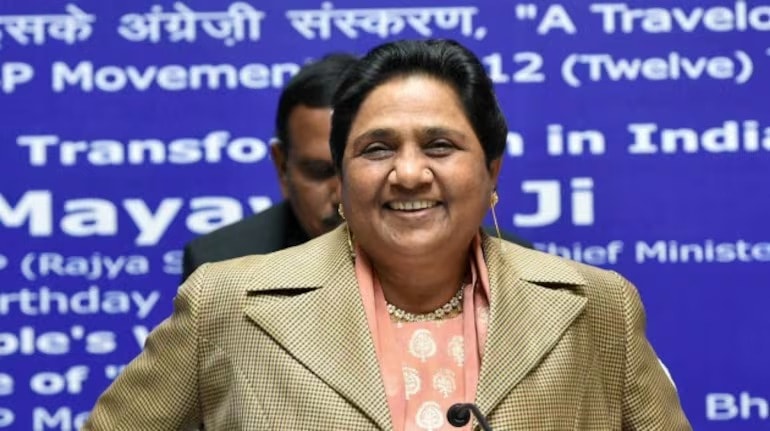
What followed was an organisational hollowing out. The absence of strong second-rung leaders led to defections and weakened grassroots networks. Repeated electoral setbacks compounded the decline. The BSP failed to win a single Lok Sabha seat in 2014, 2019 and 2024. Even an alliance with the Samajwadi Party in 2019 failed to arrest the slide.
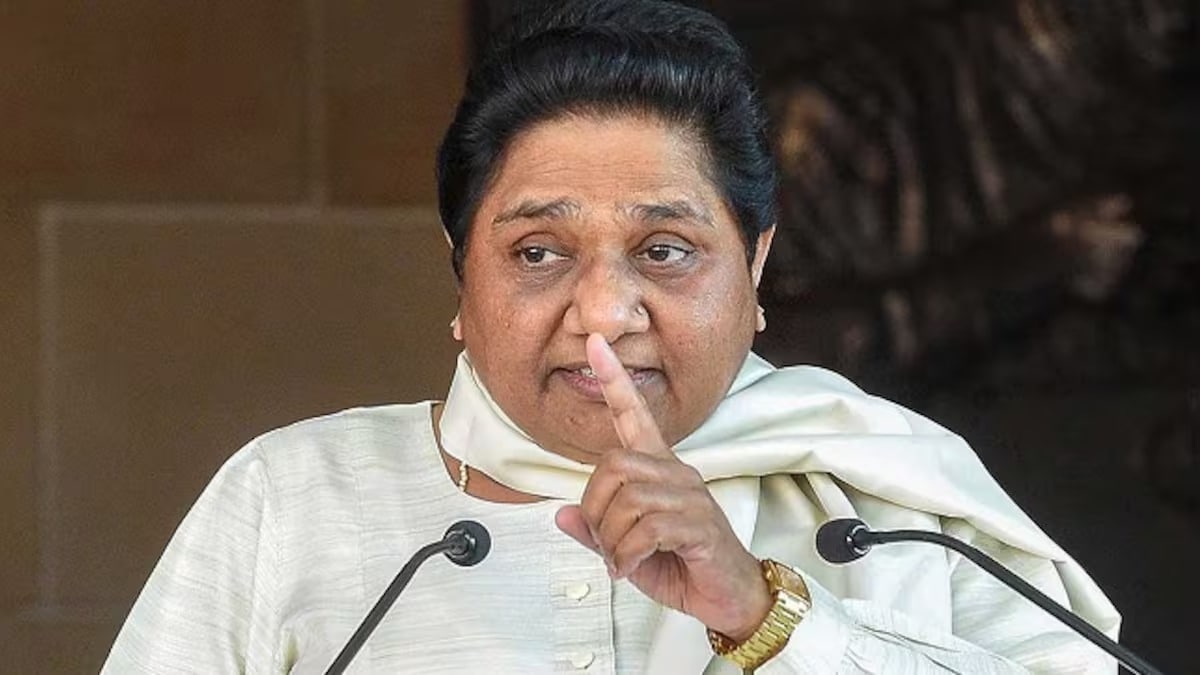
Then came the corruption probes. Prolonged CBI and ED investigations into alleged disproportionate assets made the BSP leadership more cautious. Mayawati has repeatedly denied any wrongdoing or plans to retire from politics.
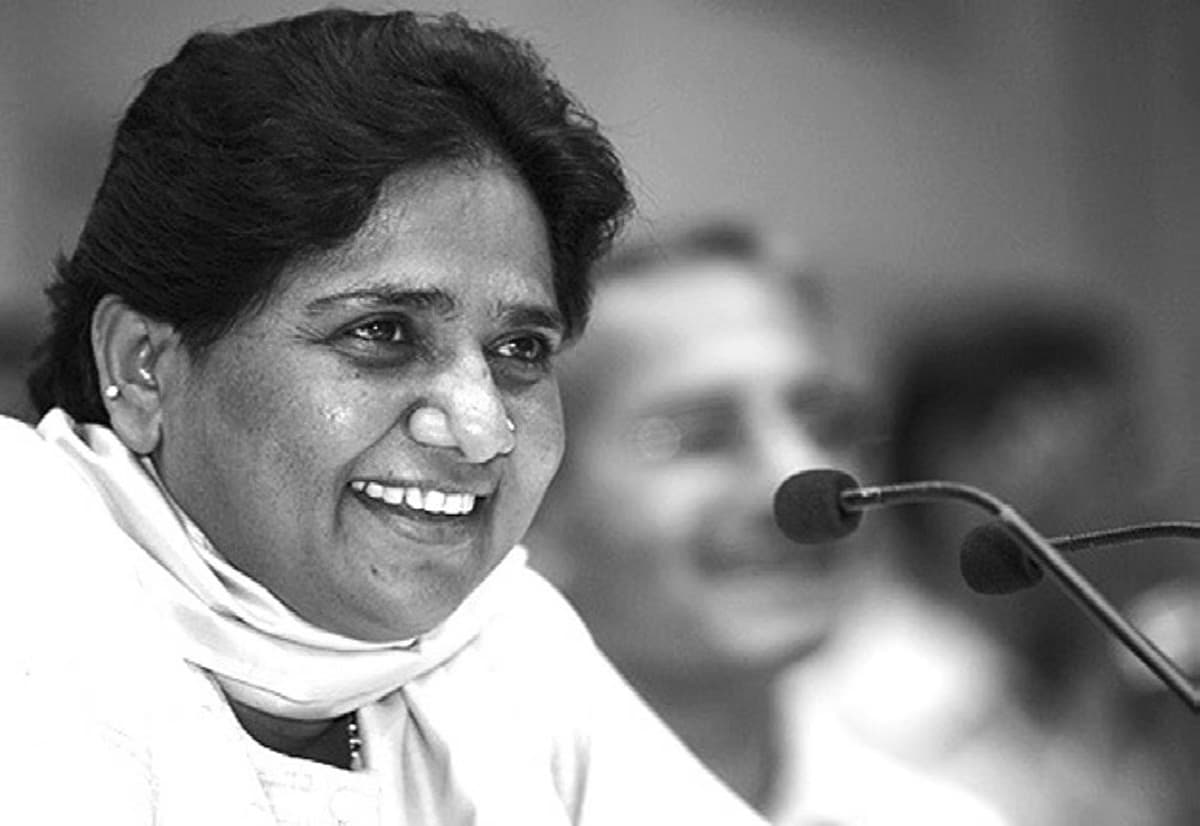
Mayawati was succeeded by Samajwadi Party leader Akhilesh Yadav, who assumed office in 2012, and remained chief minister until 2017. BJP’s Yogi Adityanath took charge in 2017 before returning to office for a second consecutive term, which began in 2022.
News Photogallery viral Happy Birthday ‘Behenji’: Bling Bashes To Basic Welfare — In Photos, Mayawati’s Birthday Makeover In 20 Years




 English (US) ·