

 1 hour ago
3
1 hour ago
3
ARTICLE AD BOX
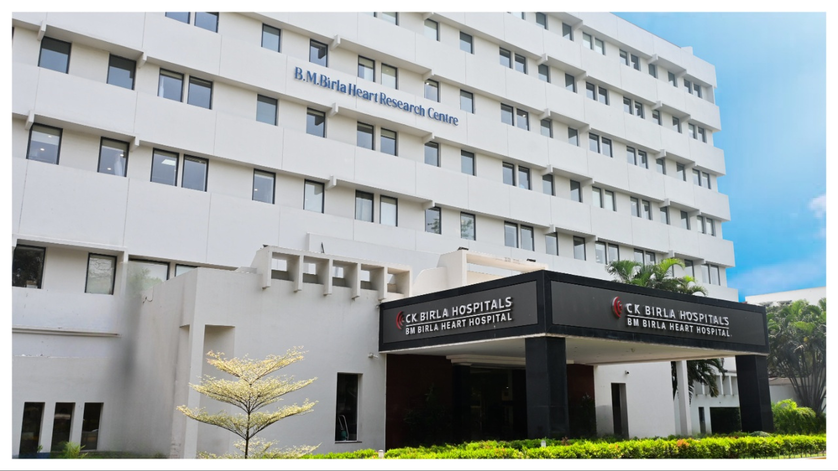
How BM Birla Heart Hospital is structuring integrated cardiac care in India
Cardiovascular care in India is undergoing change, shaped by evolving healthcare needs and a growing focus on long-term heart health across age groups. At the same time, treatment pathways are shifting.
While open-heart surgeries remain critical for many conditions, a growing share of patients are now being treated through minimally invasive, catheter-based procedures such as transcatheter valve replacements and complex angioplasties, approaches that reduce recovery time, lower procedural risk, and extend care to patients who were earlier considered unsuitable for surgery.This shift is shaped by demographic trends, clinical evidence, and technology evolution.
As populations’ age and co-morbidities increase, clinicians are prioritising solutions that balance durability with patient comfort and safety. Procedures such as catheter-based valve replacements, complex coronary interventions, and advanced rhythm management are no longer fringe offerings, they are essential tools in modern cardiac practice.Within this environment, BM Birla Heart Hospital in Kolkata has cultivated a cardiac programme that reflects both the breadth of classical cardiac surgery and the depth of contemporary interventional care.
.
From tactical procedures to integrated cardiac solutions
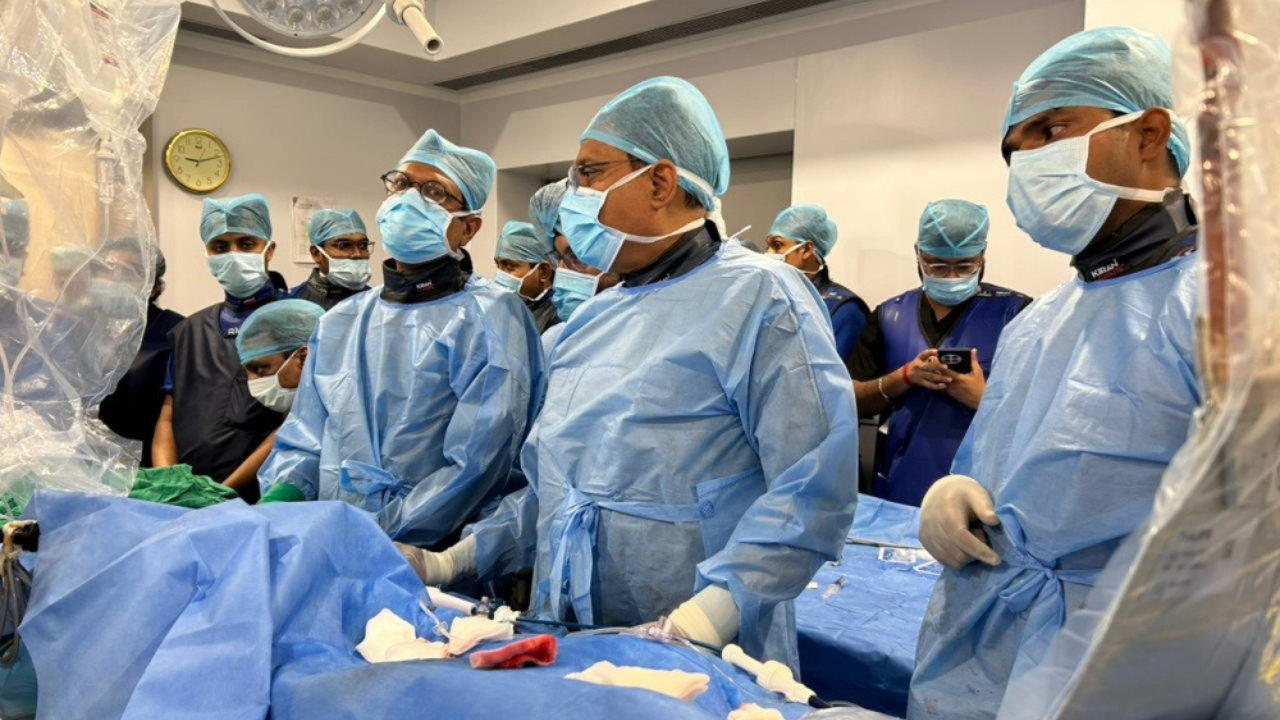
Cardiac disease rarely presents in isolation. Many patients arrive with overlapping issues, weakened valves, calcified arteries, irregular rhythms, requiring a holistic view of the heart rather than isolated fixes. Responding to this reality demands an organisational commitment that stretches beyond a single procedure or technology.At BM Birla Heart Hospital, cardiologists and surgeons work together across disciplines to devise care paths that fit each patient’s specific profile.
This collaborative heart-team model means that whether the clinical question is “Can this patient tolerate surgery?” or “What’s the best way to manage repeat valve failure?”, the answer is grounded in comprehensive evaluation rather than pre-set assumptions.
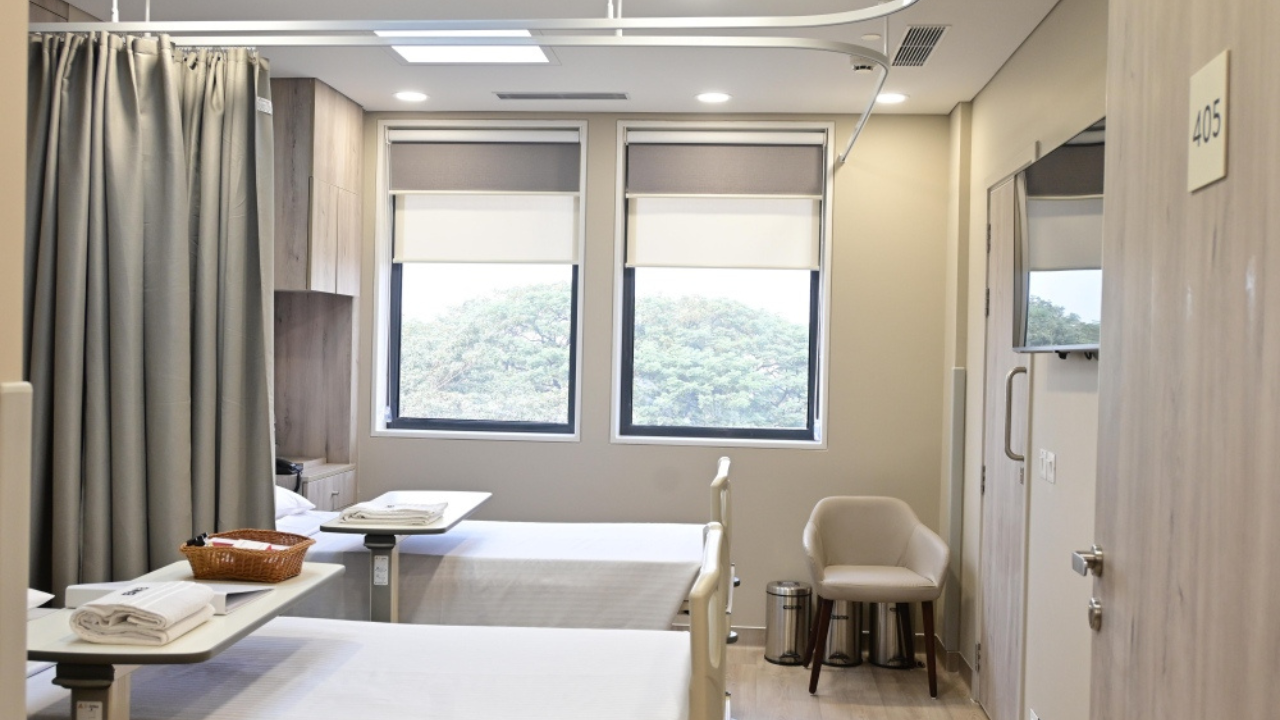
This approach is supported by a hospital environment designed to reduce stress for patients and families, with clearly defined clinical zones, comfortable inpatient spaces, and layouts that prioritize privacy and ease of movement during recovery.This shift is also visible in the types of interventions that are now becoming routine in advanced cardiac centres. Alongside coronary angioplasty, hospitals are also addressing rhythm disorders using device-based therapies such as implantable cardioverter-defibrillators (ICDs), cardiac resynchronisation therapy devices (CRTDs) and leadless pacemakers. Structural heart procedures, including Transcatheter Aortic Valve Implantation (TAVI), are part of the broader range of interventions being used, particularly in cases where conventional surgery may not be suitable.
At BM Birla Heart Hospital, these procedures are performed regularly, reflecting both procedural experience and a broader shift towards less invasive, patient-adapted cardiac care.
Advanced imaging and precision planning
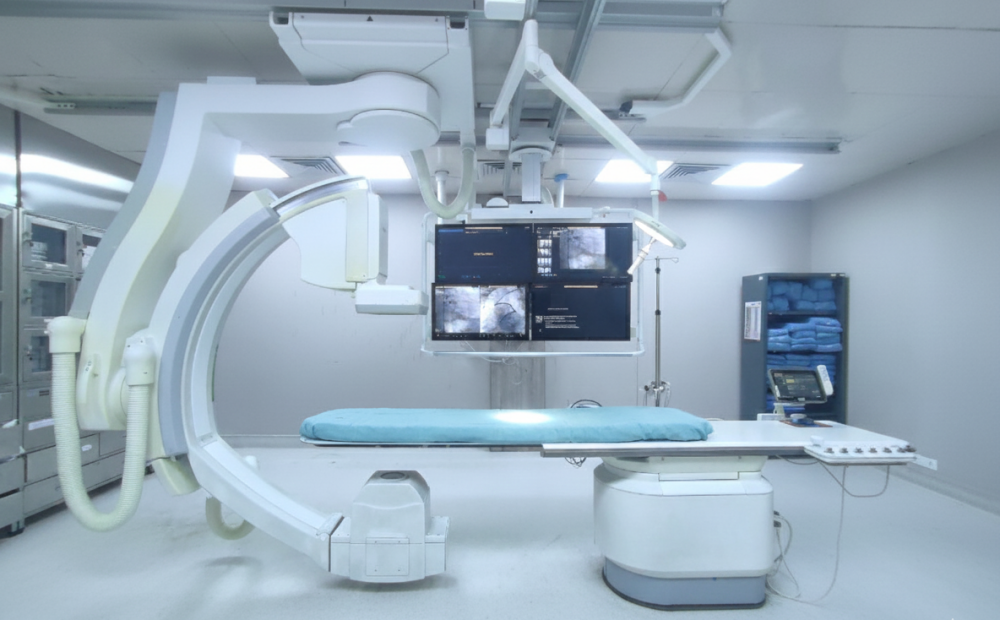
Modern cardiac interventions hinge on accurate imaging and careful procedural planning. A catheter-based valve replacement or complex device implantation is only as reliable as the visual and analytical clarity guiding it. Detailed assessment of valve anatomy, vascular access, and electrical pathways allows clinicians to anticipate challenges before the procedure begins, rather than responding to them mid-way.At BM Birla Heart Hospital, advanced imaging systems, including AI-assisted catheterisation lab capabilities, are integrated into clinical workflows to support this level of precision. The intent behind adopting these tools is not technological novelty, but better decision-making: improving diagnostic confidence, refining patient selection, and reducing procedural uncertainty in high-risk cases. For clinicians, this translates into clearer execution; for patients, it means safer interventions and more predictable outcomes.The hospital also houses a dedicated electrophysiology (EP) service, where advanced cardiac mapping and imaging guide the management of complex rhythm disorders, allowing for highly targeted and personalised treatment strategies.
Bridging technology and technique
The adoption of newer cardiac therapies tends to attract attention, but implementation is equally important. At BM Birla Heart Hospital, technology and technique are intentionally paired: sophisticated equipment is matched with clinicians who understand both the capabilities and the clinical boundaries of those tools.For example, catheter-based therapies have proven advantageous for many patients, but they are not universal solutions. The decision to pursue a less invasive approach is always balanced against patient anatomy, co-morbid conditions, and procedural risks, a decision that emerges from collective clinical judgement rather than single-specialist preference.This cautious yet progressive stance explains why the hospital maintains a strong cardiac surgery programme alongside its interventional cardiology services.
By retaining depth in both domains, it ensures that each patient receives a plan that best fits their situation, rather than one that best fits a particular technology.
The human element: Nursing and aftercare
Beyond procedures and technology, outcomes in cardiac care depend heavily on post-intervention monitoring and recovery support. At BM Birla Heart Hospital, specialised cardiac nursing teams work within high-dependency and critical care environments designed for continuous observation and early intervention.
Structured ICU and step-down units, combined with trained nurse-to-patient ratios, allow subtle clinical changes to be identified and addressed promptly.Nursing responsibilities extend beyond monitoring alone. Teams play a crucial role in medication management, early mobilisation, and patient education, helping individuals and families understand recovery milestones and long-term care requirements.
This continuity between intervention and rehabilitation forms an essential part of the hospital’s overall care model.Trained to manage advanced monitoring systems and skilled in recognising early signs of change in patient status, these professionals support not just recovery but also education, enabling patients and families to understand follow-up needs and lifestyle modifications that influence future heart health.This emphasis on coordinated care helps smooth transitions from acute treatment to convalescence, a phase where many cardiac patients encounter challenges if support systems are not firmly in place.
.
Towards patient-centred outcomes
Cardiac care increasingly involves a range of treatment options rather than a single choice between surgery and intervention. Clinical decision-making now requires careful evaluation of trade-offs, with technology forming one component of a broader, patient-centred care approach.BM Birla Heart Hospital’s model, one that blends surgical experience, interventional precision, imaging excellence, and robust aftercare — reflects this balance. By doing so, it aligns with how modern cardiac practice is evolving in India: towards solutions that are evidence-informed, patient-focused, and tailored to real clinical complexity.For patients facing heart disease today, this integrated approach provides not just more options, but more confidence that their care plan was chosen with both expertise and context in mind.Disclaimer - The above content is non-editorial, and TIL hereby disclaims any and all warranties, expressed or implied, relating to it, and does not guarantee, vouch for or necessarily endorse any of the content.









 English (US) ·