

 2 hours ago
3
2 hours ago
3
ARTICLE AD BOX
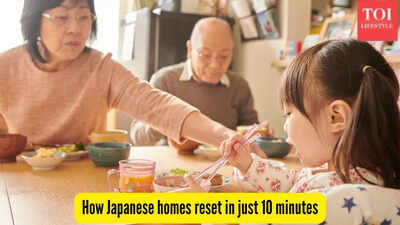
As a Japanese saying goes, “A tidy space invites a quiet mind.” Japan is one of the cleanest nations in the world. And cleanliness begins at home. Every house you visit in Japan works on a 10-minutes reset program.
It means a clean home in this country is not the result of weekend clean-ups or professional help. But it is done quietly, daily, in a disciplined way which requires only 10 minutes. The households here follow a micro-reset culture which is short and prevents mess from forming in the first place. People follow a simple philosophy which is consistency. Let’s understand how Japanese homes reset in a matter of a few minutes and how anyone can adopt the same.Understanding the 10-minute rule In a normal Japanese family, cleaning before things get dirty is a rule. It is a ten-minute daily reset which is treated more like a habit. It is not considered a task. In this time, people clean surfaces, put items to their designated place, and floors are tidied. In just 10 minutes, the whole space feels clean and it doesn’t even feel like a tedious job. Everything has a designated place
Canva
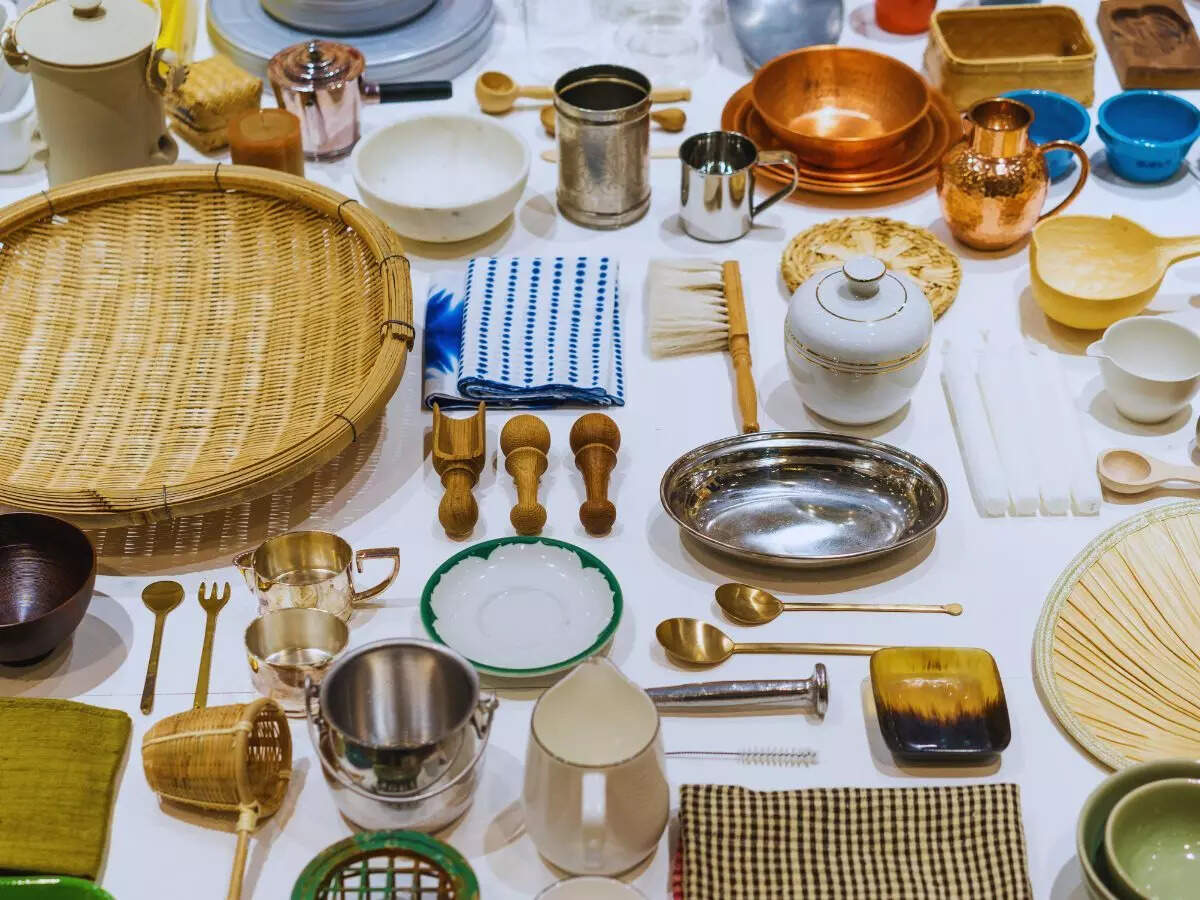
One of the prime features of Japanese home reset is the absence of “temporary storage”.
This means if there is no space for something, it needs to be out. If something comes inside the home, it means it already has a defined space. This makes resetting fast and easy and sorted. If a thing doesn’t have a place, it becomes clutter. Cleaning is a part of regular dayCleaning in Japan is not treated as a separate event. It is an everyday thing. After meals, tables are wiped at that very moment. After bathing, tubs are cleaned and put to air-dry. Because these actions happen at natural pauses in the day, they don’t register as extra work.
Japanese homes rarely reach the state that requires deep cleaning. Shoes, bags, and jackets
Canva
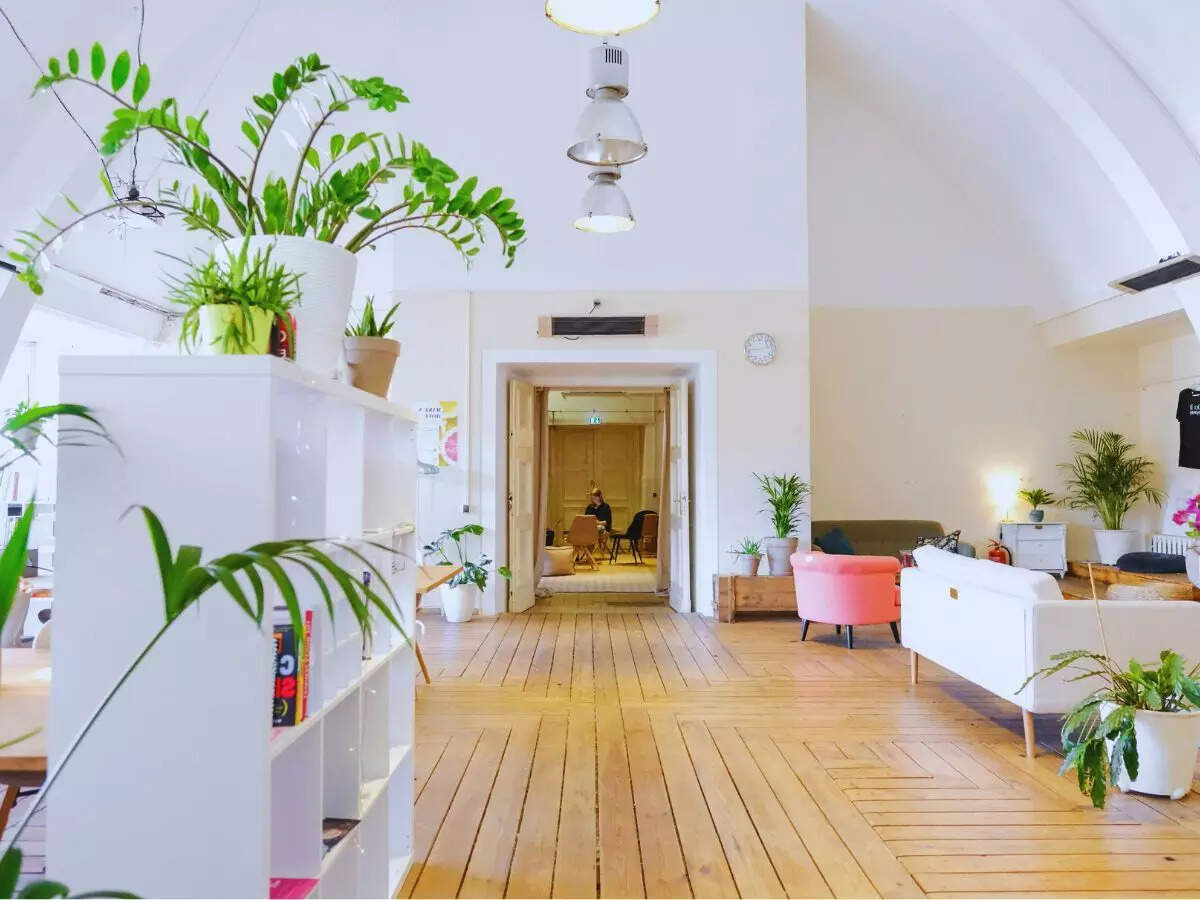
The genkan or entryway is considered the psychological gateway of the home. Japanese homes treat the space as the control center and every day, shoes are aligned, bags are emptied, and keys are returned to hooks. Jackets are hung properly to make a clean, inviting and positive entrance. Less items, faster resetsJapanese believe in minimalism. Fewer possessions mean fewer decisions and faster resets.
The homes here often rotate items seasonally—extra cushions, decor, or appliances are stored away when not required. This intentional reduction allows daily reset within 10 minutes. Hidden storage is prioritised
Canva
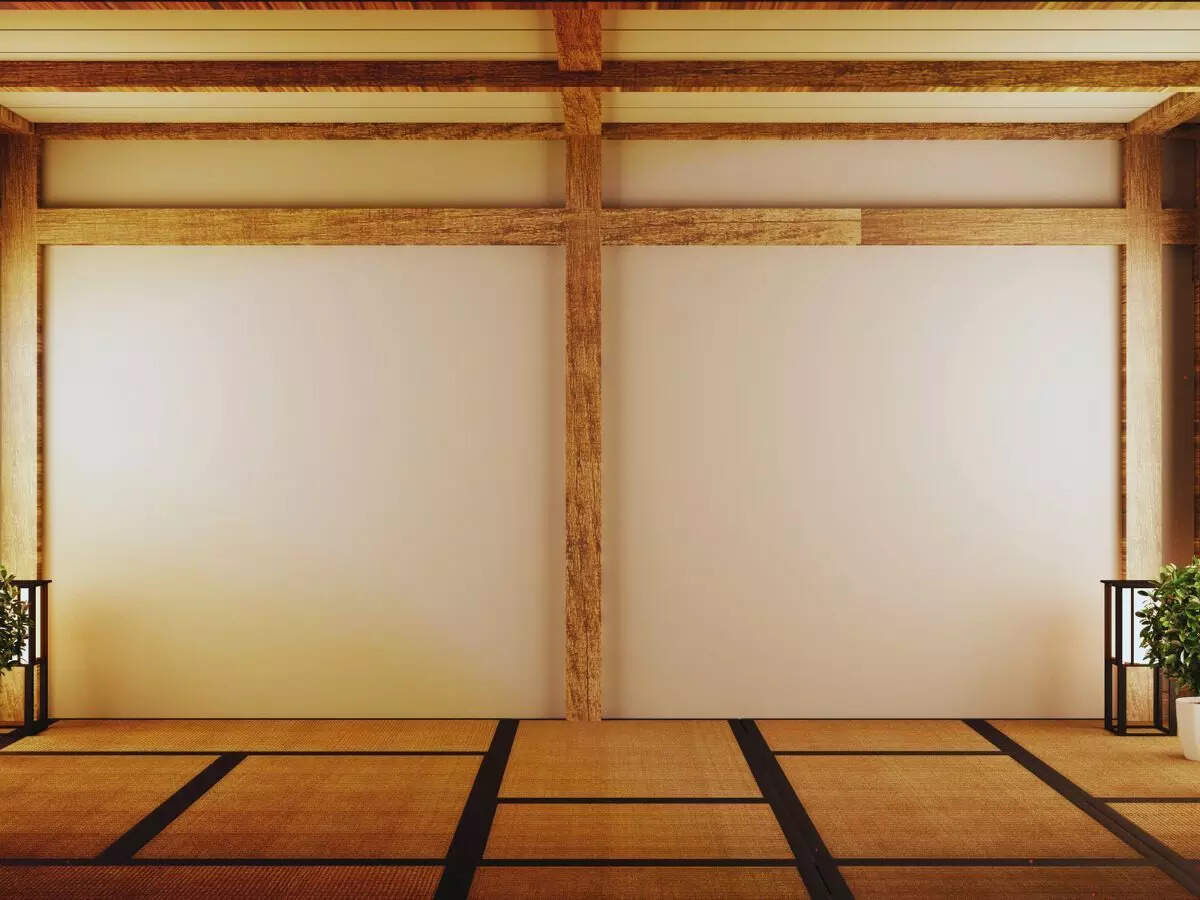
In Japan, homes are designed to disappear. They have vertical shelving or hidden storage like under-floor compartments, and sliding cabinets. It is a reality that when clutter is hidden, the mind feels calmer, and cleaning is easier. Floors are sacredEvery Japanese household cleans the floors at all costs. The floors are treated sacred as people often sit or sleep on it. The floor is always treated as a space of reunion and good luck. This habit alone changes how a home feels in Japan and a quick sweep is enough because nothing blocks the movement. Simple and accessible toolsNow this is important. Japanese homes don’t rely on heavy cleaning tools. You’ll always find them lightweight and easily accessible.
Be it brooms, wipes or squeegees. Because tools are visible and nearby, cleaning doesn’t feel like a task or barrier. Shared responsibility
Canva
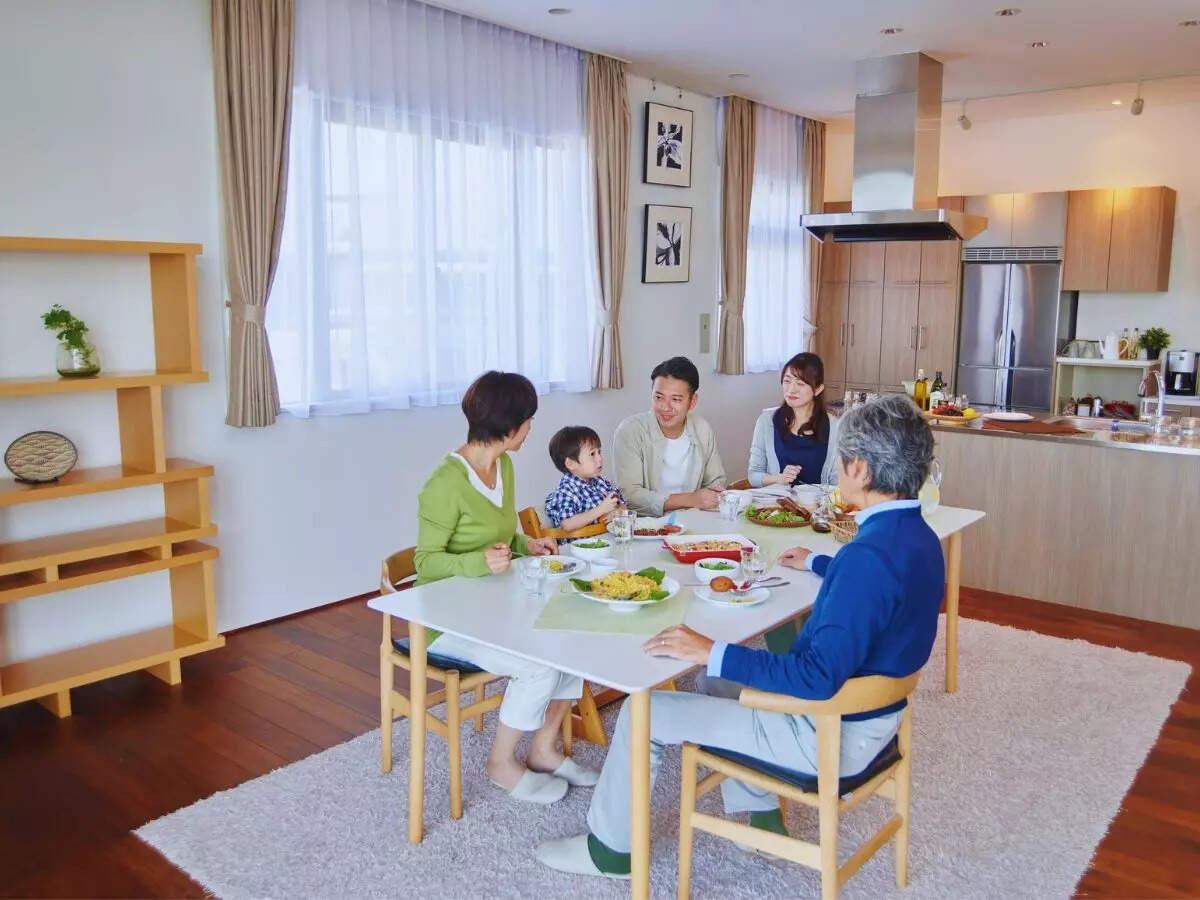
Another important thing that Japanese households follow during reset is unity! In many homes here, you’ll see even little kids taking shared responsibility in the daily reset. This is like a life skill training where every person is responsible for returning their own items. When everyone resets their own things, the 10-minute routine becomes easily manageable. Emotional calm, not seeking perfection
Canva
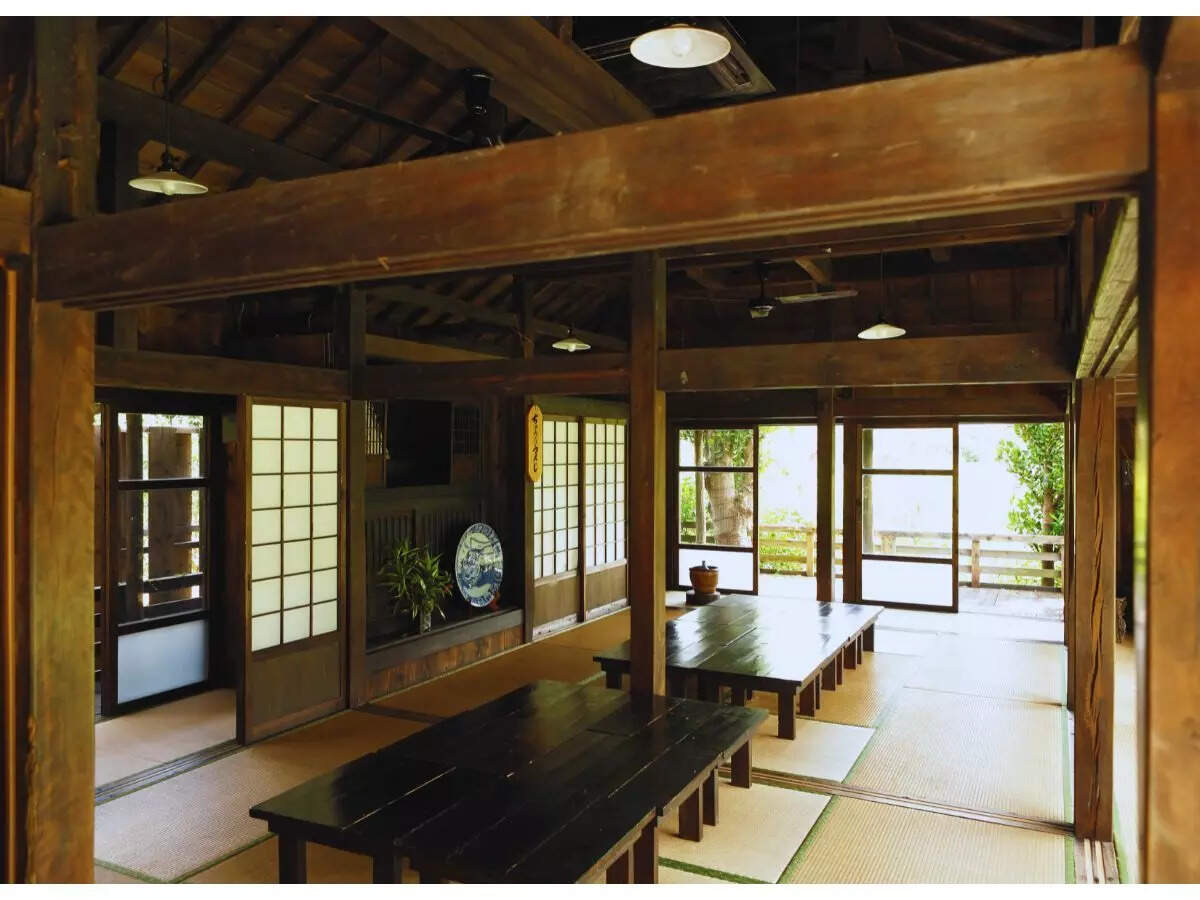
The 10-minute ritual is more of emotional calm than seeking perfection. The daily reset is not about shine or aesthetics; it is more about mental peace. A clutter-free home reduces stress. Japanese homes don’t stay tidy because people love cleaning. It speaks more aout mental calm, discipline and shared responsibilities. Once adopted, it works magic and changes the way a home feels, every day.








 English (US) ·