

 6 days ago
17
6 days ago
17
ARTICLE AD BOX
Last Updated:April 12, 2026, 09:16 IST
Iran has framed diplomacy as a “sacred jihad,” signalling a hardline stance as US-Iran talks in Islamabad ended without a breakthrough but with agreement to continue negotiations.


A banner depicting Iran's supreme leaders since 1979: Ayatollahs Ruhollah Khomeini (L, until 1989), Ali Khamenei (R, until February 2026), and Mojtaba Khamenei (C, incumbent) (AFP)
Iran has described diplomacy as a “sacred jihad" as negotiations with the United States in Islamabad concluded without a breakthrough.
According to CNN-News18 sources, the Iranian message underscores a tone of deep distrust, framing diplomacy as another battlefield tool rather than a concession.
CNN-News18 reported that Tehran’s statement emphasised that the success of the negotiations depends on the United States demonstrating seriousness and good faith, including dropping what Iran described as excessive demands and unlawful requests.
The Iranian position stresses that national rights and what it calls a historical mission are non-negotiable, indicating that diplomacy will be pursued but without compromising core strategic objectives.
Top intelligence inputs cited by CNN-News18 suggest that Iran believes heavy wartime losses have strengthened its resolve rather than weakened its negotiating stance.
The message conveyed by Tehran suggests that while diplomatic engagement remains open, it will not accept conditions perceived to undermine sovereignty or strategic autonomy.
TALKS CONTINUE DESPITE NO MAJOR BREAKTHROUGH
Negotiations between the United States and Iran concluded early Sunday after nearly 14 hours of talks in Pakistan’s capital, Islamabad, with both sides agreeing to continue discussions despite differences.
Iran’s government said technical experts from both sides exchanged documents and would continue working through outstanding issues.
The talks are among the most significant direct engagements between Washington and Tehran since the 1979 Islamic Revolution.
The outcome of the negotiations is considered crucial for the future of the fragile ceasefire that followed weeks of conflict between the two countries.
Sources indicated that multiple rounds of discussions took place between delegations, beginning Saturday at around 4 pm local time and continuing into early Sunday morning.
Senior representatives from both sides reviewed draft proposals addressing key points of disagreement.
According to diplomatic sources, there is agreement in principle to continue the dialogue process, with technical teams expected to refine details of a possible framework agreement.
STRAIT OF HORMUZ AND SANCTIONS CENTRAL TO DISPUTE
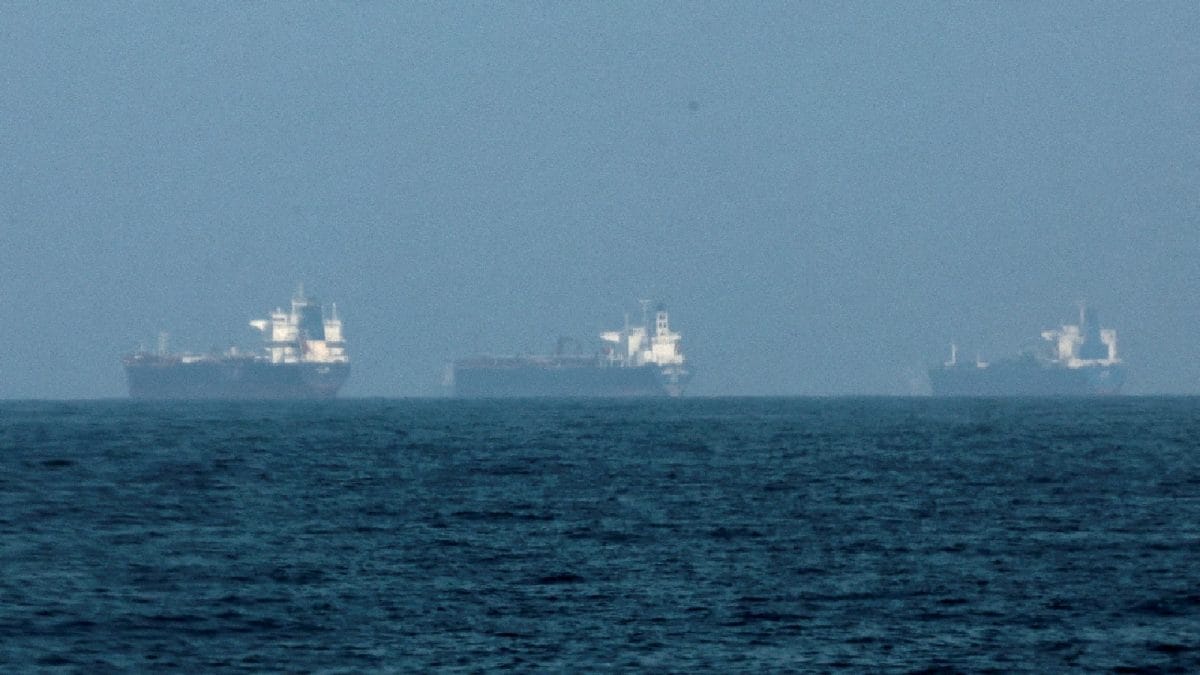
One of the central issues in the negotiations remains the Strait of Hormuz, a vital maritime corridor for global energy supplies.
Reuters reported that roughly one-fifth of global oil shipments pass through the waterway, making it a critical strategic leverage point in the talks.
Iran is seeking guarantees recognising its rights linked to the Strait and has proposed financial transit fees as compensation, according to top diplomatic sources.
Tehran has also demanded the unfreezing of financial assets held abroad and the immediate removal of sanctions to allow full global trade access.
Iranian officials are also pushing for the release and exchange of detainees held by both countries.
Additionally, Tehran wants security guarantees backed by major global powers, including China and Russia, as part of any final agreement mechanism.
The United States, on the other hand, is seeking commitments related to disarmament, including assurances regarding Iran’s nuclear programme and ballistic missile production.
Washington has emphasised the importance of ensuring free navigation through the Strait of Hormuz as a key component of any agreement.
Sources indicated that Islamabad is considering consultations with Riyadh to help develop a joint framework addressing maritime security and regional stability.
According to AFP, discussions continued beyond midnight in Islamabad, with both sides engaging directly rather than through shuttle diplomacy.
Officials described the atmosphere as cordial even as differences remained.
TRUST DEFICIT REMAINS MAJOR OBSTACLE
CNN-News18 sources indicate that Iran’s messaging reflects a strong trust deficit rooted in past negotiations and perceived breaches of commitments.
Tehran has signalled that it will continue to use diplomatic channels while maintaining firm positions on sovereignty, sanctions relief and regional security concerns.
Iran’s statement thanked Pakistan for facilitating the talks but offered no indication of concessions, reinforcing the perception that negotiations remain at an early and sensitive stage.
Officials indicated that talks are expected to resume later Sunday, with technical teams continuing discussions on framework details.
Despite the absence of a breakthrough, all sides have expressed hope that continued engagement could produce a result-oriented outcome and help sustain the current ceasefire environment.
ALSO READ | Trump Warns China Over Possible Arms Shipment To Iran: ‘Going To Have Big Problems’
Handpicked stories, in your inbox
A newsletter with the best of our journalism
First Published:
April 12, 2026, 09:16 IST
News world Iran Calls Diplomacy 'A Sacred Jihad', Signals Zero-Trust Approach After US Talks End Without Deal
Disclaimer: Comments reflect users’ views, not News18’s. Please keep discussions respectful and constructive. Abusive, defamatory, or illegal comments will be removed. News18 may disable any comment at its discretion. By posting, you agree to our Terms of Use and Privacy Policy.
Read More





 English (US) ·