

 1 hour ago
4
1 hour ago
4
ARTICLE AD BOX
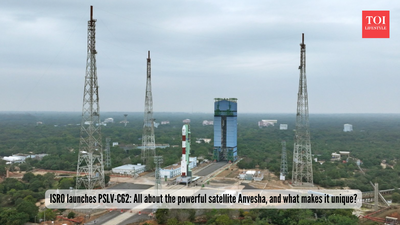
ISRO launched its first satellite of 2026, the PSLV-C62 mission carrying the DRDO-built EOS-N1 (Anvesha) satellite. This hyperspectral Earth observer aims to enhance India's surveillance capabilities for border security, agriculture, and national security. The launch experienced an anomaly in its final stages, with ISRO analyzing the data.
ISRO launched its first satellite of 2026, named PSLV-C62 mission, today at 10:17 am from Sriharikota. The rocket carried the EOS-N1 satellite, which is a powerful Earth-observation bird aimed at boosting India's surveillance and monitoring from space.
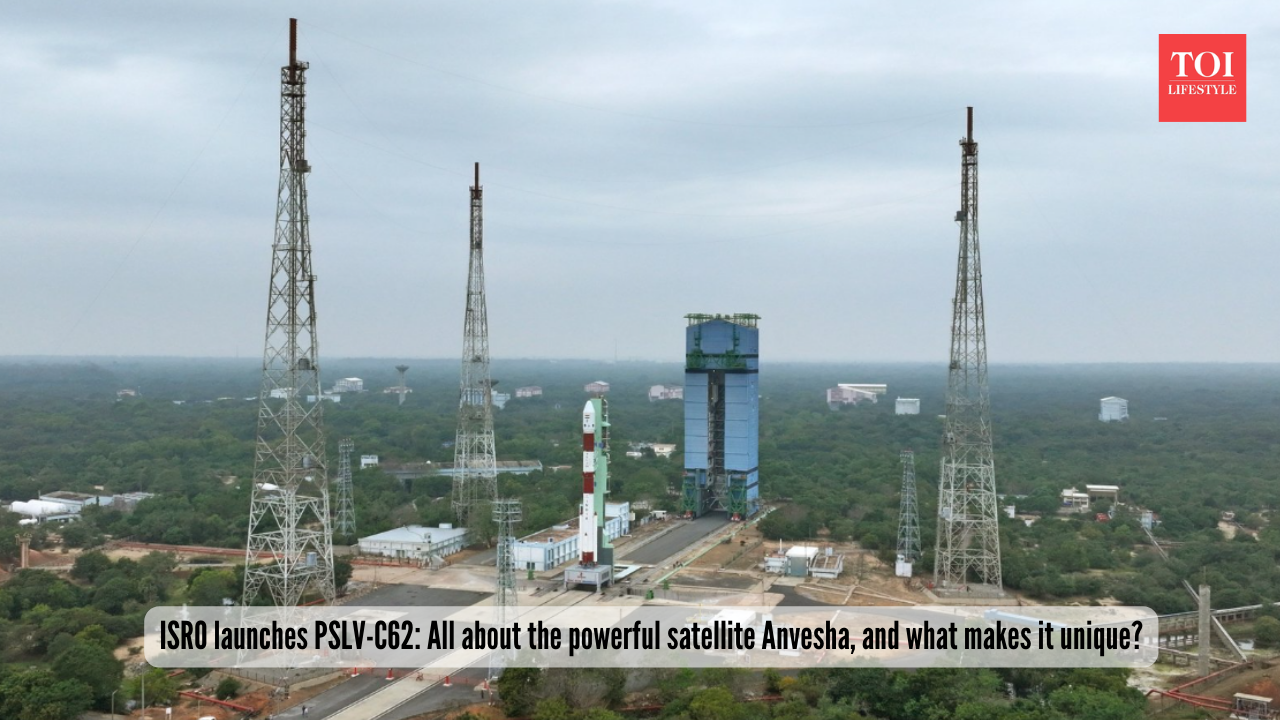
ISRO launches PSLV-C62 (Photo: ISRO via X)
What is the PSLV-C62 mission
The 260-tonne rocket launched, in DL configuration with two strap-ons, marks PSLV's 64th flight, carrying EOS-N1 satellite, which is also known as Anvesha, to polar sun-synchronous orbit 200-400 km up. Past successful missions include Chandrayaan-1 and Mars Orbiter.
What is Anvesha, and what makes it so special?
Anvesha, or EOS-N1, is a DRDO-built hyperspectral Earth observer, helping in border security, coastal checks, farming, urban planning, and eco-studies.
It also captures narrow light bands for sharp terrain and material reads.Basically, Anvesha is like a super-smart camera from space that doesn't just click photos, it sees right through - disguises by checking light in hundreds of tiny colour bands our eyes can't catch. This hyperspectral satellite finds out what materials things are made up of, spotting hidden details.
Space analyst Girish Linganna told The Week that enemy tanks hidden under camouflage nets, illegal border activities concealed by vegetation, or crops suffering from disease look healthy to normal cameras.
“Anvesha can spot all of these because different materials reflect light differently in ways invisible to regular cameras,” said Linganna.According to Lt General AK Bhat (Retd), Director General of the Indian Space Association (ISpA), this breakthrough technology enables hyperspectral imaging across hundreds of narrow spectral bands, far surpassing conventional RGB imaging. "It will deliver unprecedented capabilities for material identification, strategic surveillance and national security, including applications in missile defence monitoring," he told The Hindu.
What did the launch look like?
Just under 18 minutes after liftoff, the main portion of the rocket launcher with satellite called EOS-N1, aka Anvesha, was released into space. This hyperspectral Earth-imaging satellite, built for DRDO, comes as a powerful strategic punch.The ride-along includes 15 smaller satellites from India and abroad, like seven from Hyderabad's Dhruva Space, showing how India's private space scene is really stepping up.
The launch faced an anomaly during its last stages
"Performance of the vehicle up to the end of the 3rd stage was as expected, then we saw more disturbance in the vehicle's roll rates. Subsequently, there was a deviation observed in the flight path. We are analysing the data, and we shall come back at the earliest," said V Narayanan, ISRO chairperson on PSLV-C62 / EOS-N1.









 English (US) ·