

 17 hours ago
4
17 hours ago
4
ARTICLE AD BOX
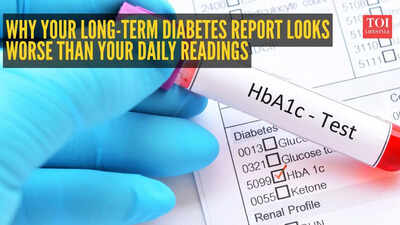
Growing number of people are seeing a normal fasting sugar on their home monitor but a higher-than-expected HbA1c on their lab report. The two results can seem confusing and even alarming, yet this mismatch is far more common than most people realise.
In many cases, it simply reflects what daily readings fail to show. Blood sugar tends to rise quietly after meals or during the day, and these repeated increases add up over weeks and months, gradually pushing long-term markers higher even when morning levels look fine.
Fasting sugar and HbA1c measure different realities
A fasting blood sugar test shows only a single moment, usually after 8 to 12 hours without food, when the body is at its most stable. It is the number most people see on their home finger-prick monitor first thing in the morning. HbA1c tells a very different story. It reflects the average blood glucose over the previous two to three months by measuring how much sugar has attached itself to haemoglobin in red blood cells. Research supported by the American Diabetes Association has shown that even small rises in blood sugar throughout the day can raise HbA1c while keeping fasting readings unchanged.
Because HbA1c captures these day-to-day fluctuations, many experts consider it a more reliable measure of long-term metabolic health than fasting sugar alone.
The hidden role of post-meal glucose spikes
One of the most important insights in diabetes research comes from studies published in Diabetes Care, which show that after-meal glucose spikes can contribute up to 70 percent of HbA1c in people with early diabetes or prediabetes. Yet most people never test when glucose actually peaks.
Scientific studies show that blood sugar usually rises fastest about 45 to 75 minutes after a meal. This means the standard two-hour check often misses the highest point. Continuous glucose monitor research reinforces this finding.
CGM data shows that many people with normal fasting sugar cross healthy glucose limits shortly after eating without noticing it, and those hidden spikes push HbA1c upward.
Why fasting glucose can stay normal for years
This mismatch also reflects how the body maintains blood sugar over time. In the early stages of insulin resistance, the pancreas can still produce extra insulin to keep fasting sugar stable. Reports from the International Diabetes Federation show that fasting glucose is usually the last number to change. It can remain normal even when post-meal sugar spikes and HbA1c have already begun to rise. Researchers refer to this pattern as isolated postprandial hyperglycaemia, meaning that sugar appears normal when fasting but climbs sharply after meals.
Lifestyle and biological factors that worsen the mismatch
A number of everyday habits can make after-meal spikes stronger while leaving fasting sugar unaffected. Eating large portions of carbohydrates, sitting for long periods, poor sleep and stress all raise glucose levels more sharply after meals. A widely cited study in Nature Medicine showed that people respond very differently to the same foods because of differences in gut bacteria, genetics and insulin sensitivity. This helps explain why two people can eat the same meal but experience very different blood sugar curves.
Some medical factors also influence these tests. Mild anaemia can raise HbA1c without changing glucose itself, while kidney or liver issues may alter how the body processes sugar.
What this means for diagnosis and treatment
Because fasting sugar can stay normal for such a long time, relying on it alone may delay the recognition of rising glucose levels. This is why the World Health Organization and major diabetes groups recommend using HbA1c as a central tool for identifying early blood sugar problems.
It captures patterns that fasting readings cannot see. Checking glucose about one hour after eating or using a continuous glucose monitor can help reveal those hidden spikes.
Research also shows that simple steps such as taking a short walk after meals, reducing refined carbohydrates and improving sleep can help lower both post-meal spikes and overall HbA1c.A normal fasting sugar reading does not always mean your blood sugar is truly well-controlled. HbA1c reveals the broader pattern, including rises and dips that daily finger-prick tests rarely detect. Understanding why fasting and HbA1c results differ can help people spot early changes and take steps that protect long-term metabolic health.









 English (US) ·