

 45 minutes ago
3
45 minutes ago
3
ARTICLE AD BOX
The Centre told a parliamentary panel that India is prepared for disruptions from the West Asia crisis. Officials said reserves, alternate sourcing and port planning are in place to protect supplies.
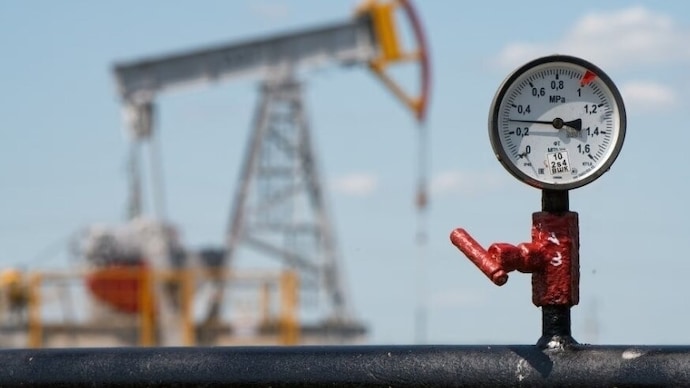
Normal supply movement can resume in 4-5 days if West Asia war ends: Govt. (File photo)
New Delhi,UPDATED: May 25, 2026 19:02 IST
As tensions in West Asia continue to raise concerns over global supply chains and energy security, the Centre on Monday assured a Parliamentary panel that India remains fully prepared to deal with any disruption and that normalcy in supplies would return within “four to five days” if the conflict situation eases.
The assurance came during a nearly two-hour-long meeting of the Parliamentary Standing Committee on Transport, Tourism and Culture, which held discussions with senior officials from the Ministry of Ports, Shipping and Waterways on the evolving situation arising out of the West Asia crisis. Representatives from the Ministry of External Affairs, the Ministry of Commerce and the Petroleum Ministry also attended the meeting and briefed the panel on contingency measures being taken by the government to safeguard India’s economic and strategic interests.
According to sources present at the meeting, officials told the committee that despite growing instability in the region, there is “no immediate crisis” relating to energy supplies or fertiliser availability in the country.
Government representatives informed the panel that India currently has energy reserves sufficient for more than 78 days, providing a significant buffer against any prolonged disruption in shipping routes or crude supplies linked to the Strait of Hormuz.
Sources said concerns were raised during the meeting over fertiliser imports, especially because more than 30 per cent of India’s fertiliser-related supplies are linked to the Strait of Hormuz route. However, officials assured lawmakers that the government had already diversified sourcing channels and activated alternate procurement arrangements to avoid any shortage.
“There is no crisis relating to energy sources or fertiliser. The government is in touch with all available markets, including the US and others,” sources quoted officials as saying during the briefing.
Officials also conveyed that extensive contingency planning had already been undertaken by multiple ministries to ensure supply chains remain functional even if tensions in the region continue for a longer period.
The most significant reassurance, according to sources, came from officials handling logistics and shipping operations, who told the panel that if the war-like situation de-escalates, the normal movement of cargo and supplies could resume within four to five days. The assessment assumes that major maritime routes, especially through the Strait of Hormuz, one of the world’s most critical oil transit chokepoints, remain operational and do not witness large-scale military disruption.
The meeting comes amid increasing global concern over the impact of the West Asia conflict on crude oil prices, shipping insurance costs and international trade flows. India, which imports a large share of its crude oil and fertilisers, has been closely monitoring developments in the region.
Sources indicated that the government’s strategy currently rests on three pillars, maintaining strategic reserves, diversifying import sources, and ensuring close coordination between ministries handling shipping, energy, trade and diplomacy.
Officials also briefed the committee on efforts being made to ensure Indian ports and shipping infrastructure remain prepared to handle rerouting or emergency cargo management requirements if the geopolitical situation worsens further.
- Ends
Published By:
Sonali Verma
Published On:
May 25, 2026 19:02 IST






 English (US) ·