

 1 week ago
5
1 week ago
5
ARTICLE AD BOX
Frying is one of those cooking habits that slips into daily life without much thought. You heat some oil, add food, wait for colour, then eat. But the small choices around frying often shape how a dish turns out.
Texture, flavour, even how heavy it feels afterwards can change quite a bit. Pan frying and deep frying are often treated as the same thing, yet they behave very differently in the kitchen. One is quieter and closer to the hob. The other feels louder, hotter, and more committed. Knowing when to use each method does not require fancy kit or training. It mostly comes down to attention, patience, and understanding what the food needs.
Once that clicks, frying becomes less guesswork and more instinct.
Pan fried or deep fried: Which technique works best and why
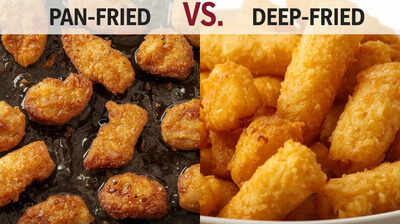
Pan frying usually begins with a shallow pan and a thin layer of oil. Not much is needed, just enough to coat the base. The food sits close to the heat, touching metal rather than floating. This makes the process feel more hands on. You watch, turn, adjust, and listen. Pan frying suits foods that cook quickly and hold together well, such as eggs, sliced vegetables, thin fish, or flattened cuts of meat.
Because the oil does not surround the food, moisture escapes more easily.
This can lead to browning without heaviness. It also means you need to flip the food at the right moment. Too early and it sticks. Too late and it dries out. Pan frying rewards attention but allows flexibility. You can lower the heat, add butter, or tilt the pan if needed. It feels personal.Deep frying changes the rules by surrounding the food completely in hot oil.
The temperature is higher and more stable, usually sitting between 350 and 375 degrees. Once the food goes in, the oil does most of the work. Steam pushes outward, oil stays mostly on the surface, and a crust forms quickly. This method works well for foods that need strong structure and even cooking, like chips, fried chicken, onion rings, or battered vegetables.
The result is often crisp and uniform. Deep frying is less forgiving if the oil is not hot enough or if too much food is added at once.
When done well, it feels fast and confident. When rushed, it turns soggy. The process is simple, but the setup matters.
When should one method be chosen over the other
The choice often comes down to scale and delicacy. Pan frying suits smaller portions and fragile foods. A soft fish fillet might break apart in a deep fryer but behave nicely in a pan. Vegetables that only need a short cook also benefit from direct contact with heat.Deep frying suits volume and bold texture. Cooking for a group or aiming for crunch usually points in that direction.
It also offers consistency. Each piece cooks in the same environment. Pan frying gives more control over individual pieces. Deep frying gives control over the whole batch. Neither is better by default. They just answer different needs.
Can pan frying replace deep frying at home
In many cases, yes, but the result will shift slightly. Shallow frying, where oil reaches halfway up the food, sits somewhere between the two methods. It uses less oil than deep frying but still delivers a good crust.
Turning the food becomes essential, as does spacing in the pan. Pan frying as a substitute works best when expectations are adjusted. You may not get the same crunch as a deep fryer, but you gain ease and less oil.
Preheating the oil properly and working in batches helps. The food needs space to breathe. Rushing is usually what spoils it.
Is one method healthier than the other
Pan frying is often seen as the lighter option because it uses less oil. That is usually true, though shallow frying can blur the line.
Deep fried foods can absorb more oil, especially if the temperature drops. That said, oil absorption depends on technique as much as method.Using fresh oil, keeping temperatures steady, and draining food properly all make a difference. Some people turn to air frying to avoid oil almost entirely. Others prefer moderation and choose the method that fits the meal. Health is not just about oil quantity. It is also about balance, frequency, and how the food fits into everyday eating.(Disclaimer - This article is for informational purposes only and is not intended as medical or nutritional advice. Always consult a qualified healthcare professional before making changes to your diet or lifestyle.)




 English (US) ·