

 1 week ago
7
1 week ago
7
ARTICLE AD BOX
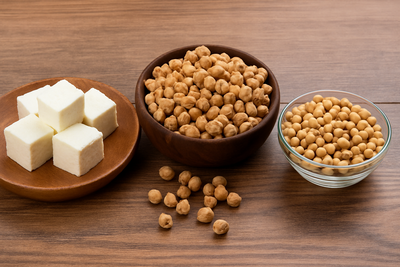
Protein has become the quiet hero of modern Indian plates. Whether you’re chasing weight loss, better hair, a toned body, or simply steadier energy through the day, you can’t escape the one macronutrient that does the heavy lifting in every cell.
Most people don’t even realise how much they need, roughly 0.8 to 1 gram per kilo of body weight a day, and slightly more if they’re active, yet the Indian diet often falls short of that. And that’s where the everyday debate begins at home: Is paneer really the king? Do chhole count as proper protein? And is soyabean overrated or unbeatable? Scroll down to find out...
Paneer: The delicious but dense favourite
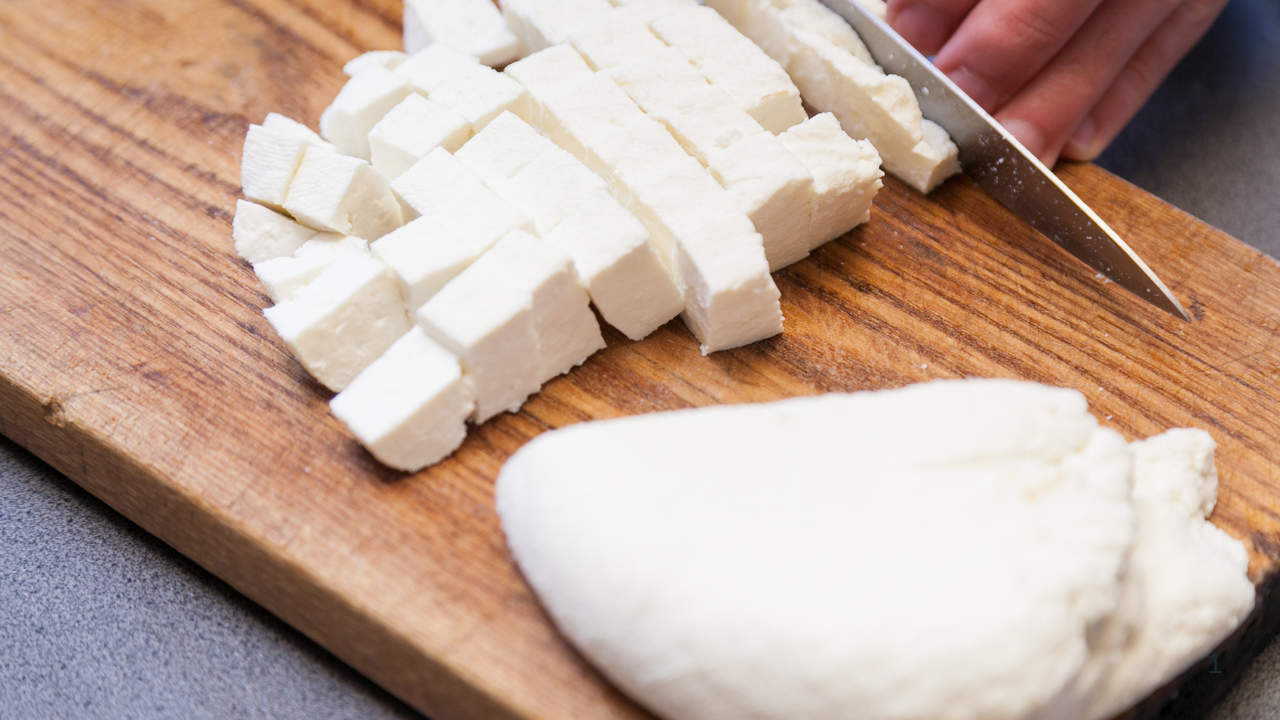
Paneer has long been India’s effortless protein answer. It slips into gravies, tikkas, rolls, salads, and even the laziest weekday dinner. But how much protein does it truly offer? On average, 100 grams of paneer contains around 14-18 grams of protein, depending on how it’s made.
That’s solid, but it comes with baggage. Paneer is also high in fat, especially saturated fat, which pushes up the calorie count. A small block can nudge 260-300 calories easily. For vegetarians who rely heavily on dairy, this isn’t a problem, but for weight-loss diets or people watching cholesterol, paneer stops being a “free” protein and becomes something that needs portion awareness.
It is highly bioavailable, though, meaning the body absorbs and uses the protein efficiently.
That’s paneer’s quiet advantage: it’s gentle on digestion, doesn’t cause bloating for most people, and pairs beautifully with fibre-rich vegetables to balance the heaviness. But strictly in terms of protein density, paneer is not the winner.
Chhole: The earthy, everyday protein that surprises people
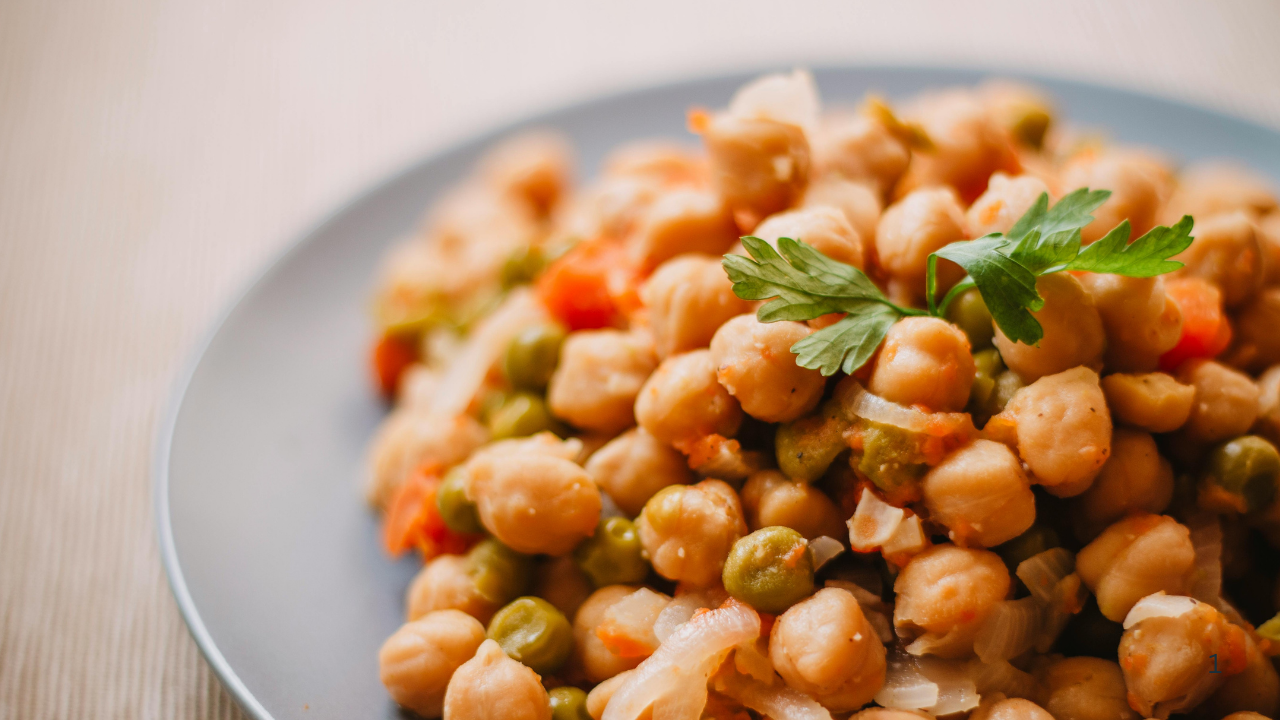
Chickpeas have always been part of India’s culinary backbone, comfort food, festive food, street food, everything. And yet, they’re rarely treated as “protein”. More often, they’re seen as a carb dish masquerading as a curry. Here’s the truth: 100 grams of boiled chhole carry around 7-9 grams of protein. That’s less than paneer. But chhole brings something paneer doesn’t: fibre, and plenty of it. Fibre slows down digestion, stabilises blood sugar, reduces cravings, and supports gut health, making chhole a more balanced long-term food for weight management. The catch? Chickpeas can cause bloating in people who struggle with gas or have sluggish digestion.
So while the protein is present, the comfort level varies. Chhole shine best when portioned right and cooked simply, with ginger, jeera, and hing to ease digestion. In terms of protein density, chhole come second. But in terms of nutritional diversity and fullness, they give paneer real competition.
Soyabean: The undeniable heavyweight
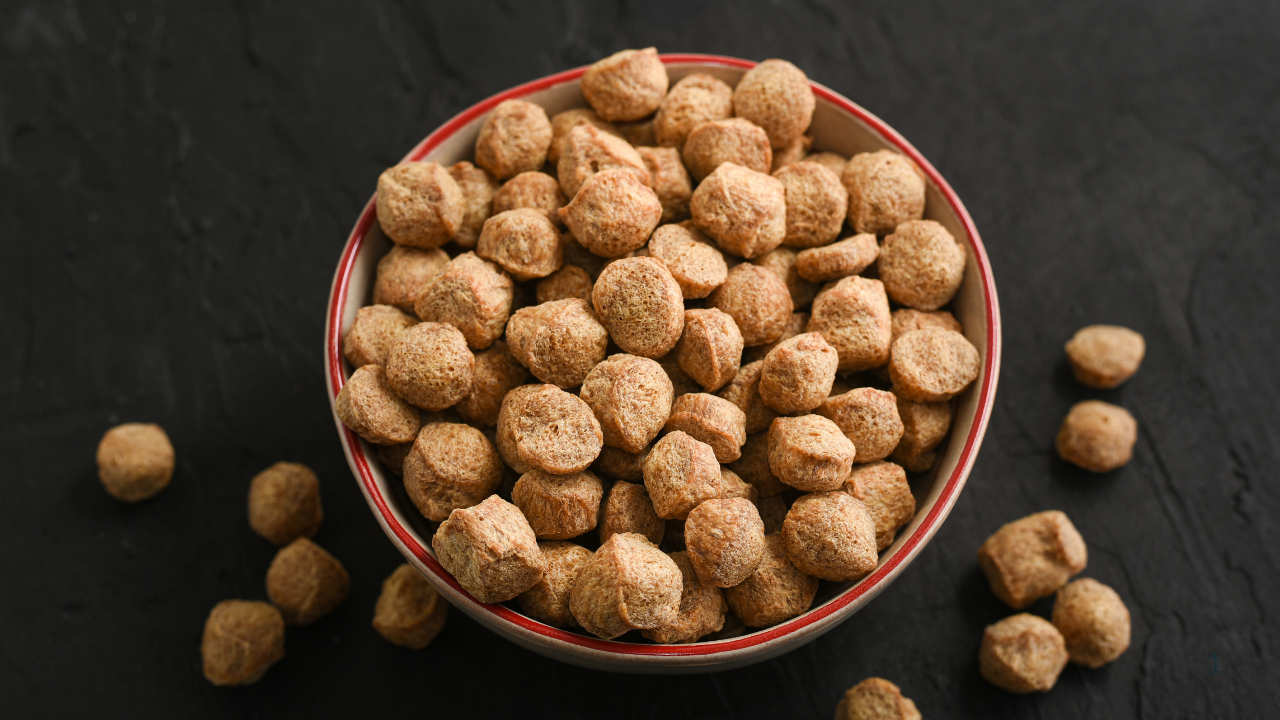
If we’re talking pure protein numbers, soyabean doesn’t just win; it sweeps the category.100 grams of soyabean contain 36-40 grams of protein, more than double paneer and nearly five times chhole.
Its amino acid profile is close to animal protein, which makes it extremely efficient for muscle repair, immunity, and steady metabolic health. This is the reason soy chunks and soy granules are mainstays in gym diets across India; they’re cheap, versatile, and incredibly dense in nutrition.But the conversation around soy has always been noisy. Myths about hormones, bloating, and “soy being too processed” float around constantly.
The truth is simpler: whole soybeans and minimally processed soy chunks are safe for most people. The key is moderation; too much can feel heavy or cause gas. When cooked well and used intelligently, like mixed into curries, pulao, cutlets, or salads, soy becomes one of the most accessible high-protein foods in the Indian vegetarian pantry.
So who actually wins?
If the question is purely which has more protein, the answer is clear: soyabean is the highest, by a wide margin.
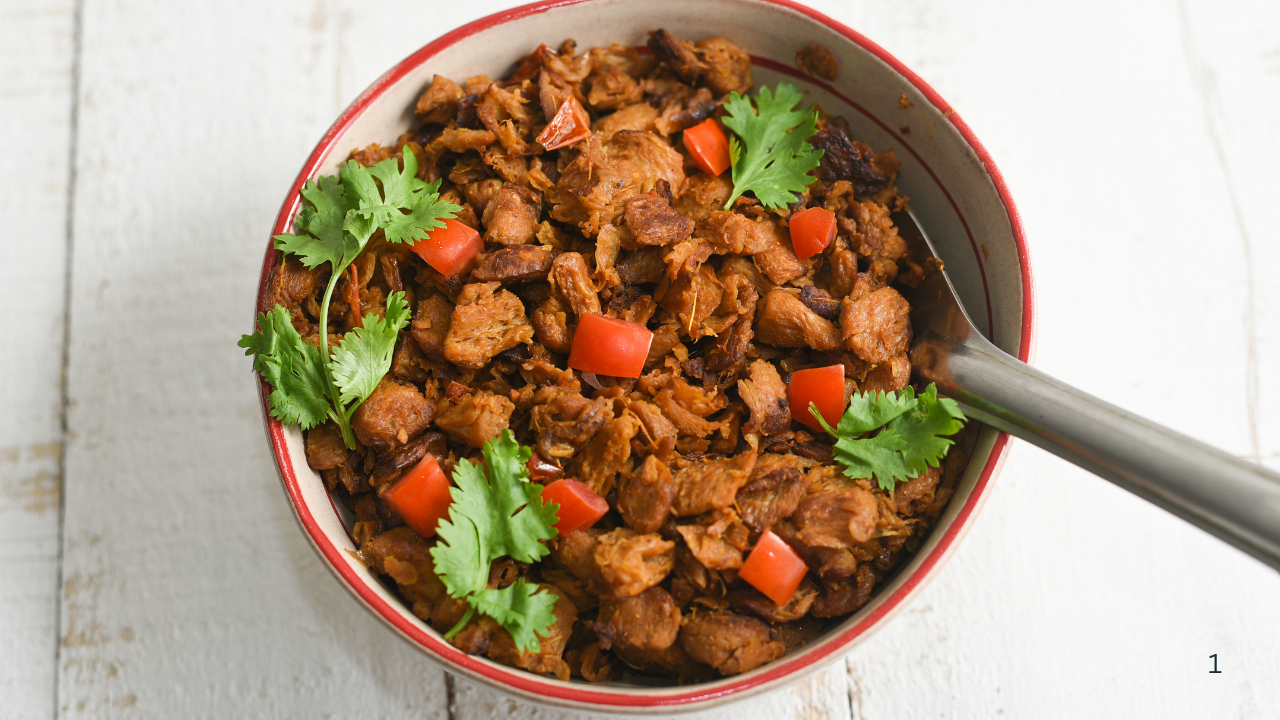
Followed by:2) Paneer, with decent protein but higher fat3) Chhole, with moderate protein but excellent fibre But nutrition isn’t a race. Each of the three brings a different kind of strength to the table.
- Paneer offers comfort, satiety, and ease of digestion.
- Chhole offer fibre, slow energy, and heartiness.
- Soyabean offers unmatched protein density and affordability.
The smartest plate isn’t loyal to one; it rotates all three. Because good nutrition, like good cooking, is never about a single ingredient. It’s about balance, timing, and learning which food your body responds to best.









 English (US) ·