

 1 day ago
2
1 day ago
2
ARTICLE AD BOX
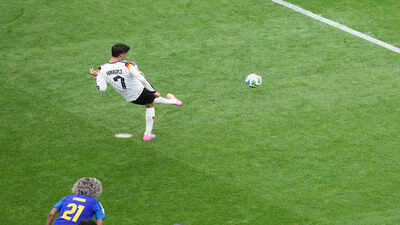
Soccer free kicks create a spectacular curve. This happens due to the interaction between the spinning ball and the air. A player's precise kick causes the ball to spin. This spin creates uneven air pressure around the ball.
Watching a top player take a free kick is one of the most compelling moments in soccer. In just a split second after being kicked by the player, the ball takes flight, moving towards a direction that seems to be away from the goal, then quickly curves off to the side in a spectacular manner, which causes the goalkeeper to stand still in surprise.
For years, fans watching the shot in the stadium or at home have been struck by its unusual trajectory. But there is more to it than athletic skill.Executing the shot takes more than strength or luck. Instead, the focus is on the interaction between the ball and the air around it. As soon as a player strikes the ball accurately, he launches it and triggers an intricate sequence of physical events. The ability to influence the surrounding air and change the ball's trajectory makes a big difference.
In other words, the technique is really physics in action.The invisible pressure differences that make a spinning ball deflect sidewaysTo uncover the exact mechanics that cause a flying object to veer off its straight course, we have to look closely at how the air behaves around moving surfaces. In an insightful physics breakdown published by Wired Magazine, experts analysed the fundamental mechanics of fluid dynamics that govern a soccer ball's flight path.
The analysis details that the magic begins the very moment a player kicks the soccer ball slightly off-centre, which instantly forces the sphere to spin rapidly on its vertical axis as it travels forward. As this spinning object slices through the stadium air, it drags a thin layer of gas along with it.This rotation causes an extremely lopsided condition within the immediate atmosphere of the airborne ball. As Wired Magazine explains, on the side where the ball's surface moves with the airflow, the air has to move faster.
On the other side of the ball, the airflow moves against the surface and slows down. In classical physics, faster-moving air creates lower pressure and slower-moving air creates higher pressure, producing a sideways force on the ball.
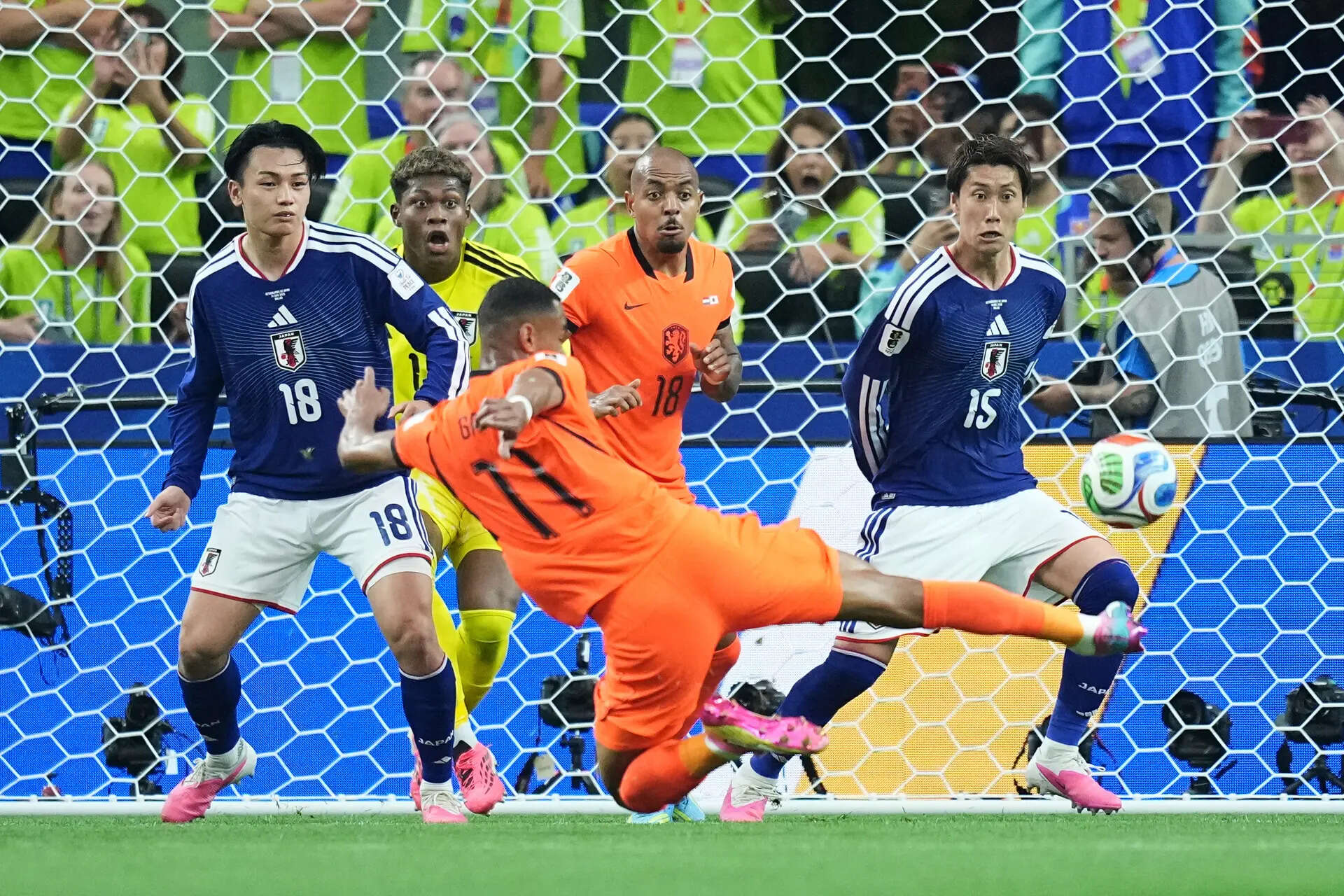
A soccer player's free kick defies expectations with a spectacular curve, a result of precise physics rather than just skill. Striking the ball off-center initiates rapid spin, creating uneven air pressure. This pressure difference, influenced by the ball's speed and rotation, generates a sideways force that guides the ball past the goalkeeper.
The art of achieving perfect velocity and rotation to overcome the wallIn order to perform the trick, one needs to make a physical effort adjustment for each individual shot taken. According to the article, the velocity of the kick should be perfectly synchronised with the rotational speed for successful clearance of the defence.
If the ball is struck with too much forward force and too little spin, the forward motion overwhelms the pressure difference, and the ball flies straight. If the ball has plenty of spin but not enough forward speed, it will curve too soon, and the defender can intercept it.The player takes advantage of the air by combining the right amount of power and spin. As it travels past the wall of defenders, the ball curves into the net as the pressure difference develops. Awareness of physics helps explain how much skill the shot requires. It shows how physics helps shape one of soccer's most famous shots.









 English (US) ·