

 1 day ago
2
1 day ago
2
ARTICLE AD BOX
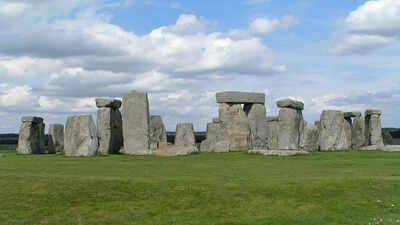
A recent geological study suggests Stonehenge's Altar Stone, weighing six tonnes, may have been transported by glacial sheets from Scotland, a journey of 700 kilometers. This discovery challenges previous beliefs about human effort alone. Image Credits: Wikimedia Commons
The prehistoric stone circle on Salisbury Plain has long been an archaeological puzzle. For many years, historians and tourists alike believed that thousands of people would have had to cooperate to build this ancient monument.
One long-running question about the site concerns the monolithic rock at its centre, known as the Altar Stone. The Altar Stone, a monolithic rock weighing about six tonnes, has long been one of the site’s key puzzles. A geological study is prompting researchers to reconsider how the stone reached Stonehenge.Such an unexpected turn in the story of the prehistoric age demonstrates that the path of this huge stone was much more complicated than people thought before.
Despite the findings proving that this stone came from the very remote corners of the northeast of Scotland, the enormous distance of about seven hundred kilometres from Scotland to southern England raised another big problem. The latest research suggests that maybe this huge mass of stone has been moved with the help of glacial sheets instead of relying solely on human physical power.
By analysing the planet’s icy past, specialists gain a new perspective on how prehistoric people interacted with their environment.
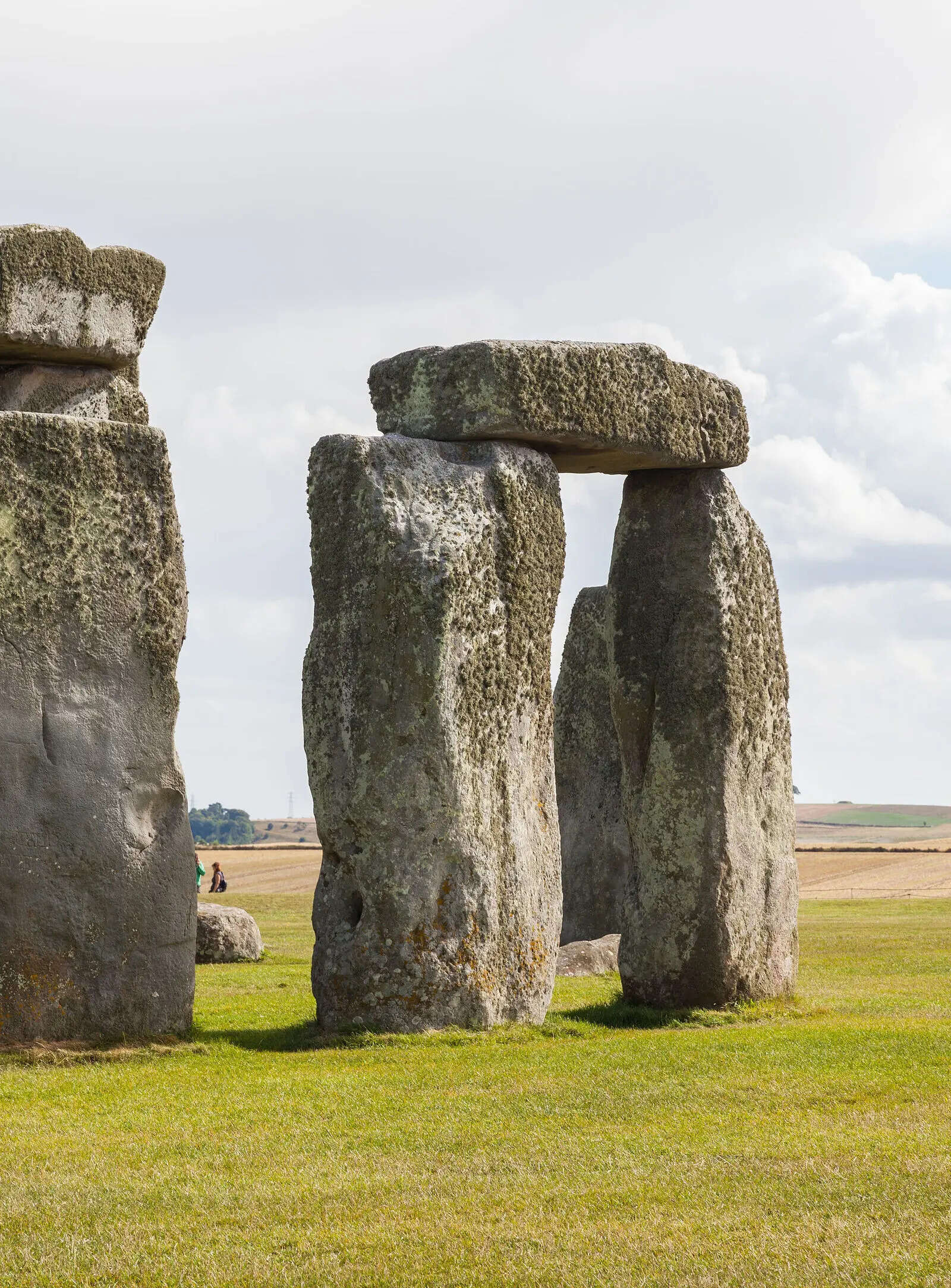
Researchers propose prehistoric communities might have later moved the stone from submerged Doggerland to higher ground, highlighting its cultural significance. Image Credits: Wikimedia Commons
The glacial route that may have moved a six-tonne megalithTo understand how the boulder ended up so far away, researchers examined events from deep prehistory. In an analysis presented in the Journal of Quaternary Science titled From Highlands to Henge: Refining the Provenance and Transport Pathways of Stonehenge's Altar Stone, scientists utilised state-of-the-art mineral tracking methods along with computer simulations of glaciers.
In this study, it was determined that during the ice age on the British Isles, massive glaciers which originated from the Orcadian Basin in Scotland would have carried the Altar Stone southwards.The study identifies Dogger Bank as one possible point along the glacier’s route. At present, Dogger Bank lies submerged under the North Sea, but it was once part of the wider landscape known as Doggerland, which connected Britain to mainland Europe.
Because the area lacks natural sandstone sources, a large rock would likely have stood out. This study suggests that glaciers may have reduced the amount of human effort needed to move the stone.A shared cultural rescue mission from the rising tidesThis proposed glacial path does not rule out human effort in the monument’s history. As detailed in an analysis by BBC Science Focus Magazine, the revised timeline implies that the Altar Stone held immense cultural value long before it ever arrived on Salisbury Plain.
When the last ice age came to an end, rapidly rising sea levels began to slowly drown the low-lying plains of Doggerland. Prehistoric communities may have recognised the threat to this significant landmark and may have moved the stone to higher ground before rising waters consumed their homeland.The transport of the stone over hundreds of kilometres on land and by water raises questions about the societies involved. It would take knowledge of the geography of the region, skills in navigating the seas and a cultural idealism that brought these people together to accomplish such a task. Researchers say the finding adds a new dimension to the story of how the stone may have reached Stonehenge.









 English (US) ·