

 3 hours ago
3
3 hours ago
3
ARTICLE AD BOX
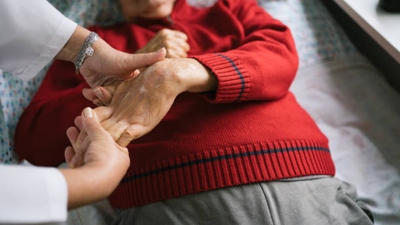
According to the World Health Organization, nearly 15 million people suffer a stroke each year, and about 5 million of them die. Even worse, another 5 million are left with long-term disabilities.
That’s a lot of people whose lives are completely changed in an instant.As per the American Stroke Association, a stroke happens every 40 seconds, and approximately every four minutes someone dies from a stroke. And it’s not just older adults, strokes can happen to younger people too, especially if they have risk factors like high blood pressure, diabetes, smoking, or a poor diet. Globally, strokes are a huge deal.
6 early warning signs of stroke that you should not ignore
“A stroke happens when the blood supply to a part of your brain gets blocked or when a blood vessel bursts.
Basically, your brain cells aren’t getting the oxygen and nutrients they need, and if it goes on too long, those cells start dying," says Dr. Amruth SD, Consultant - Neurologist, Manipal Hospital Goa.That’s why strokes can be so dangerous, they happen fast and can leave lasting damage if not treated immediately.So why do people ignore the warning signs? Honestly, a lot of it comes down to denial or confusion. The early symptoms can be weird and subtle: a droopy face, sudden weakness in an arm or leg, trouble speaking, or blurred vision.
People sometimes shrug them off thinking they’re just tired, stressed, or that it’ll pass. And even when they notice something is off, many wait hours, or even days, before seeking help because they don’t want to make a fuss or assume it’s “not serious.
”
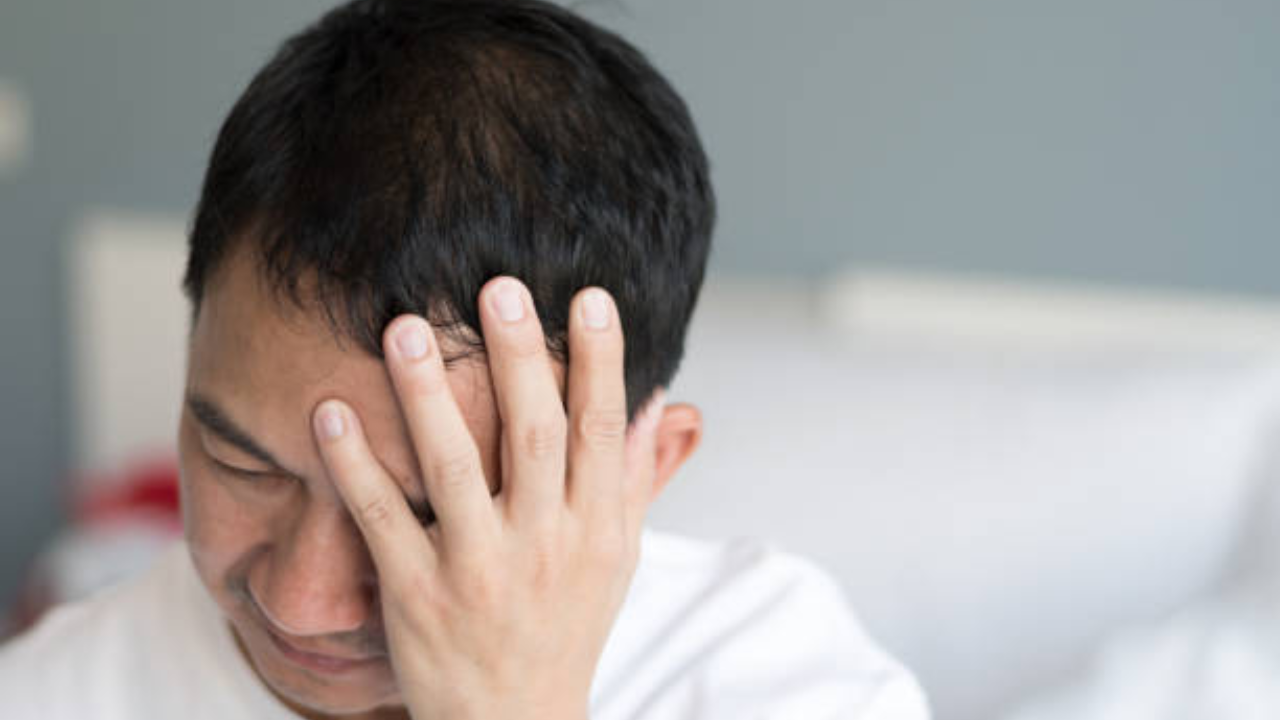
B.E.F.A.S.T.
The scary part is that every minute counts in a stroke. Quick action can save lives and prevent permanent damage. "The most important warning signs can be remembered as B.E.F.A.S.T.," says Dr. Amruth and shares how to remember it:B – Balance: Sudden loss of balance or coordination, dizziness.E – Eyes: Sudden difficulty seeing in one or both eyes, including blurred, double, or lost vision.F – Face drooping: One side of the face is drooping or numb. Tell the person to smile, an asymmetrical or crooked smile can be a sign.A – Arm weakness: Sudden weakness or numbness in one arm. Have the person raise both arms, if one droops downward, that could signal a stroke.S - Speech difficulty: If you observe that someone's speech is slurred, or unable to talk; if a person just seems confused when their response is incoherent then he/ she may be having a stroke.
The person may not be able to speak.T – Time now: Time equals brain. Immediate medical attention is vital. For clot-related strokes (known as ischemic strokes), a clot-busting injection can be administered up to four and a half hours after symptoms start, but only once an immediate brain scan has verified that the stroke type is suitable.
What causes stroke?
“Strokes basically come in two main types. The first is called an ischemic stroke, which happens when a blood clot blocks an artery and stops blood from reaching part of the brain.
The second is a hemorrhagic stroke, sometimes called a “wet stroke,” because it happens when a blood vessel in the brain bursts and bleeds into the surrounding tissue. Both are serious, but they happen for slightly different reasons, says Dr Amruth.“The biggest culprit is high blood pressure. Hypertension puts extra stress on your blood vessels, slowly weakening them over time, which makes both clots and bursts more likely.
Then there’s atherosclerosis, where your arteries get stiff and narrow because of fatty plaque building up inside them. This makes it easier for clots to form and block blood flow,” the doctor explains and shares the other risk factors of stroke like heart issues, lifestyle choices and genetic conditions. Heart problems are another common cause. If someone has atrial fibrillation, an irregular heartbeat, clots can form in the heart and eventually travel to the brain.
High cholesterol adds to the problem by helping plaque accumulate, while diabetes damages blood vessels with high blood sugar, making clots more likely.Lifestyle choices also play a big role. Smoking, drinking too much alcohol, and some drugs can all harm your blood vessels and raise blood pressure. There’s also brain aneurysms, which are weak spots in blood vessels that can balloon out and eventually burst, causing a hemorrhagic stroke.Finally, there are less common causes, like genetic conditions, autoimmune disorders, infections, or heart valve problems, which can especially affect younger people.
Various differential diagnoses (Conditions that mimic stroke)
“Not every sudden weakness or speech problem is a stroke,” says Dr Amruth, so that one doesn’t panic by seeing just one or two symptoms. “There are quite a few other conditions that can mimic stroke symptoms, and doctors have to rule them out carefully before making a diagnosis.
For example, after a seizure, some people experience temporary weakness in one part of the body, called Todd’s paralysis, which can look like a stroke.
Then there’s migraine with aura, where vision changes, tingling, or trouble speaking can fool you into thinking it’s a stroke,” he shares.Sometimes, the culprit is something growing in the brain, like a tumor or abscess, which can gradually cause weakness in specific areas.
Head injuries can cause subdural or epidural hematomas, blood clots outside the brain that mimic stroke symptoms. Even Bell’s palsy can make one side of the face droop, but it’s just a nerve issue, not a brain problem. Other causes include functional neurological disorders, where stroke-like symptoms appear without any structural brain damage, or drug effects and toxins, which can change alertness or strength.
Severe high blood pressure, infections, or metabolic problems like hypoglycemia can also create stroke-like signs,” he adds.
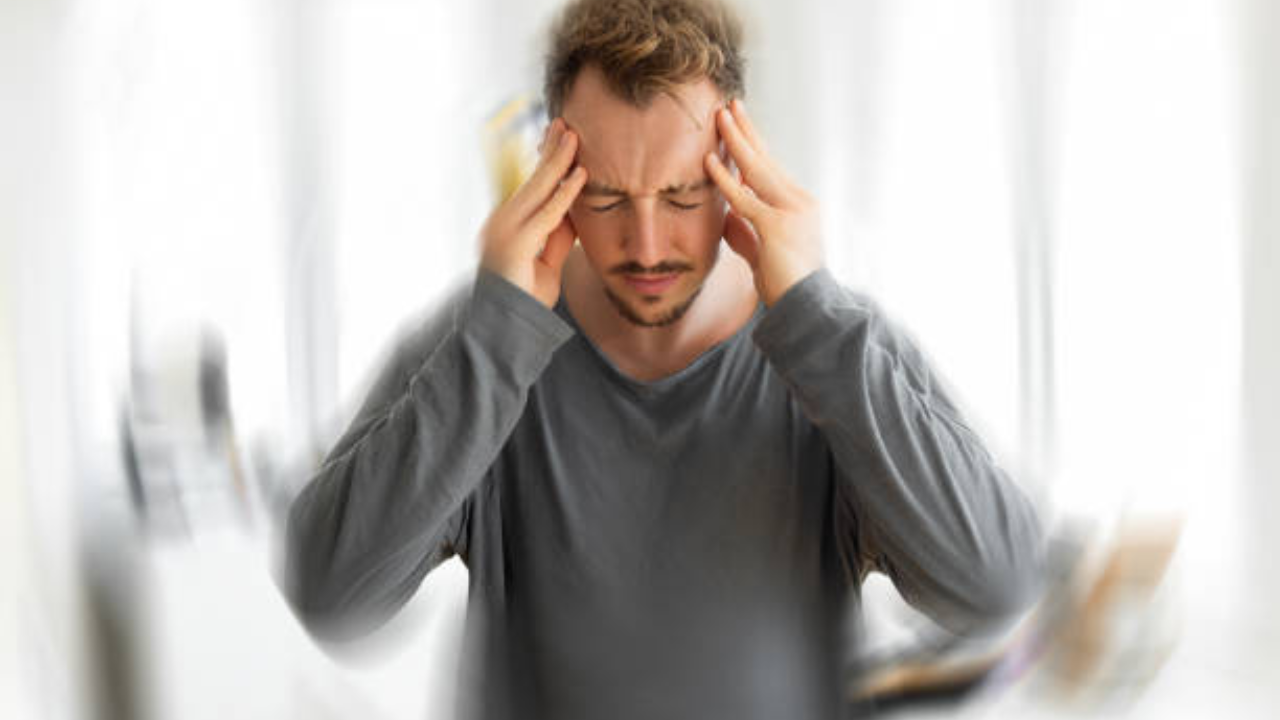
How can it be prevented?
Prevention of strokes involves some lifestyle changes and medical treatment to manage risk factors, says Dr Amruth and recommends the following changes to control stroke:
- Control of blood pressure: The most important prevention; take prescribed medicines, set a diet plan and perform exercises.
- Control diabetes: Keep blood sugar levels within the range for you.
- Support healthy cholesterol: Reducing LDL (“bad”) cholesterol levels and raising HDL (“good”) cholesterol.
- Stop smoking: Gloves for all tobacco products are off when it comes to stroke.
- Work it out: Try to get at least 150 minutes of moderate activity each week.
- Eat a healthy diet: Eat more fruits, vegetables and whole grains and eat fewer foods that are high in salt, sugar, or unhealthy fats.
- Keep a healthy weight: Can decrease the workload on the heart and blood vessels.
- Moderate the alcohol: Heavy drinking increases blood pressure and the risk of hemorrhagic stroke.
- Address heart disease: Control atrial fibrillation and other heart problems with your doctor.
How is it treated?
The doctor explains how a stroke is treated usually depends on the type, whether it’s ischemic, caused by a clot, or hemorrhagic, caused by bleeding in the brain, and how quickly the patient gets help.
For ischemic strokes, doctors often use clot-busting medicines like tPA or Tenecteplase, which are given through an IV, but only within about 4.5 hours of symptom onset. For bigger clots in major arteries, there’s also mechanical thrombectomy, a minimally invasive procedure where the clot is literally pulled out.
For hemorrhagic strokes, the approach is different. Doctors focus on stopping the bleeding and controlling high blood pressure. Sometimes surgery is needed to remove collected blood or repair a burst aneurysm or AVM, and minimally invasive options are becoming more common.“Long-term, the most important treatment is actually lifestyle: eating well, staying active, and avoiding smoking or too much alcohol. It’s all about keeping the brain healthy and preventing another stroke,” suggests Dr Amruth.



 English (US) ·