

 1 week ago
12
1 week ago
12
ARTICLE AD BOX
Last Updated:June 06, 2026, 14:37 IST
Iran wants some $12 billion released immediately and $24 billion during the 60-day negotiation period after a preliminary agreement is struck.


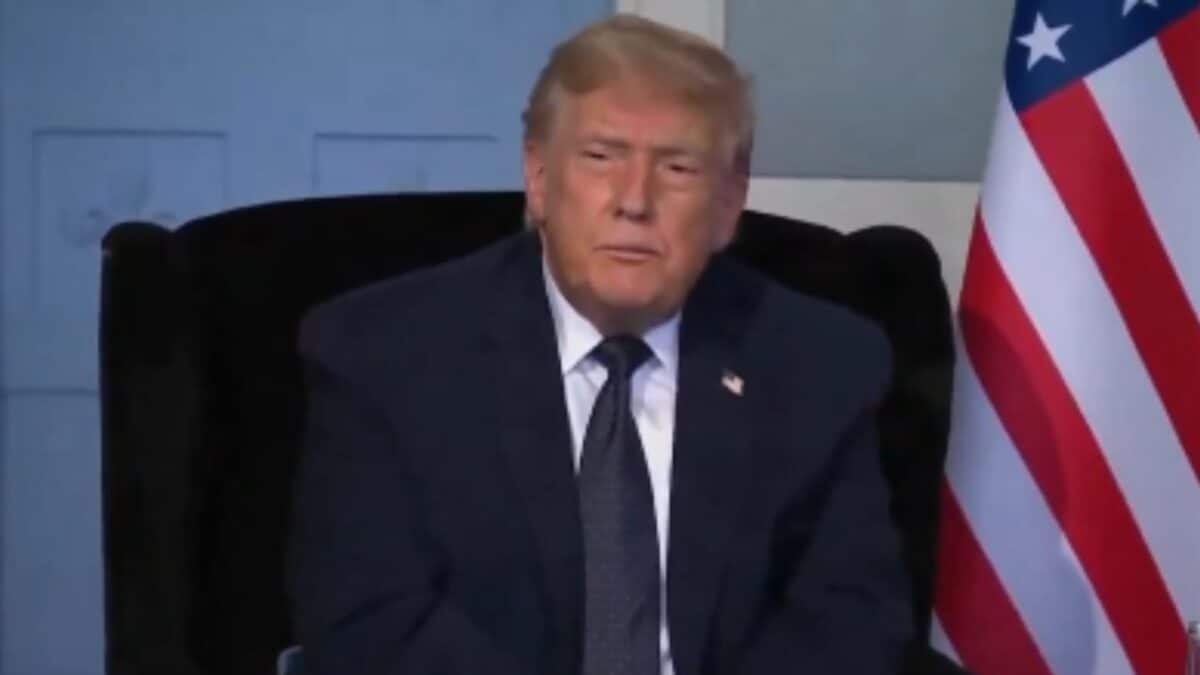
US President Donald Trump remains hesitant to release Iranian frozen assets. (AFP)
The US and Iran have yet to achieve a breakthrough to end the war in West Asia, which has rocked the global economy. A major reason for the talks is Iran’s demand for the release of billions of dollars in frozen assets, which has deep political ramifications for US President Donald Trump.
Both sides have been negotiating for weeks, swapping and rejecting each other’s proposals while Trump continues to threaten the resumption of war. Iran has remained steadfast in its demands for the release of frozen assets and war compensations from the United States.
The US said any release of frozen assets would be done after a final deal is reached. However, Iran wants some $12 billion released immediately and $24 billion during the 60-day negotiation period after a preliminary agreement is struck, according to The Wall Street Journal.
Why Iran Wants It Assets Released?
Iran sees the release of assets as critical to reaching any deal, saying the money belonged to the country. The Iranian leadership is also deeply mistrustful of the US, which went back on a previous agreement to release Tehran’s money and reimposed harsh sanctions on its economy. A US concession would also be viewed as a diplomatic victory for Tehran and stop Washington from reneging on its promise.
Notably, Iran has around $100 billion in assets that are inaccessible due to US sanctions. Unlocking it would be a major relief for the struggling Iranian economy, generating export revenue, investment and access to technology.
ALSO READ: 60 Or 90 Days? Uranium Timeline Emerges As Key Hurdle In Final Phase Of US-Iran Talks
Why Is Trump Hesitant To Release Iranian Assets?
The Trump administration has indicated that Iran eventually could access some seized assets, but has rejected broader sanctions relief and immediate cash relief, making it a sticky point in the ongoing peace negotiations.
One of the main reasons why Trump is hesitant to free Iran’s assets is that it could backfire politically, specifically after his own attacks on the Obama administration for flying cash into Tehran hours after the “worst ever" nuclear accord was implemented in January 2016.
Throughout his presidential campaigns and the war itself, Trump has attacked Obama for the nuclear deal, which he pulled out of in 2018, and promised that he would implement a “far better" deal.
Trump now finds himself in a similar situation as he is eager to pull out of the Iran war, which is deeply unpopular with Americans, and where the US has failed to achieve its core objectives, including the change of the Islamic regime.
What Could Iran Do With The Cash?
The Obama administration’s decision to send $400 billion to Tehran after the 2015 deal was widely criticised in the US, with Trump saying it provided a legal pathway to Tehran to produce a nuclear weapon. The US president said the deal emboldened the Iranian regime and its “support for terror".
In 2023, the Joe Biden administration decided to give Iran access to $6 billion in assets in connection with a prisoner swap, prompting fierce backlash from Republicans. The money was blocked after the Iran-backed Hamas group launched an unprecedented attack in Israel, triggering a devastating two-year war in Gaza.
Critics argue that handing cash to Iran would allow the Islamic Republic to bolster its defences and increase support for its network of regional militias, including Hamas and Hezbollah. Any deal which allows Iran access to money without a clear nod from the US would be difficult to reach.
What Could Trump Do?
Richard Nephew, a former top State Department sanctions official, told WSJ that Trump could allow Iran to start drawing on frozen funds for humanitarian purposes by quietly removing sanctions on Iranian assets held in Qatar, Oman and Iraq.
The Trump administration would have to offer reassurance to the banks involved that they wouldn’t face legal sanctions, but the White House could say it wasn’t giving Iran funds directly, he said. Another option would be to provide sanction waivers for Iranian oil exported to China, which could allow Tehran to legitimately export crude again.
Handpicked stories, in your inbox
A newsletter with the best of our journalism
About the Author
Aveek Banerjee is a Senior Sub Editor at News18. Based in Noida with a Master's in Global Studies, Aveek has more than three years of experience in digital media and news curation, specialising in int...Read More
Location :
United States of America (USA)
News world The Billion-Dollar Hurdle In US-Iran Talks: Why Tehran’s Cash Demand Puts Trump In A Political Bind
Disclaimer: Comments reflect users’ views, not News18’s. Please keep discussions respectful and constructive. Abusive, defamatory, or illegal comments will be removed. News18 may disable any comment at its discretion. By posting, you agree to our Terms of Use and Privacy Policy.
Read More






 English (US) ·