

 1 day ago
4
1 day ago
4
ARTICLE AD BOX

Ever felt your legs tired, numb, or just plain heavy, after a long day? Well, it is not just tiredness, it actually signals poor blood circulation. Vascular surgeon Dr Sumit Kapadia, reveals the exercise that improves your blood circulation in just 30 seconds! Yes, that is right.
Let's dig deeper...The benefits of calf raisesAccording to Dr Kapadia, Calf raises help your calf muscles act like a “second heart” for your legs, quickly boosting blood flow back to the heart in just a few seconds of movement. This simple move can ease symptoms like cold feet, tingling, tired legs and other signs of poor circulation when done regularly through the day.Can help in just 30 seconds!When you rise up onto your toes and lower back down, your calf muscles squeeze the veins in your lower legs.
This action pushes used blood upwards against gravity, helping it return to your heart instead of pooling around your ankles and feet.Studies on the “calf muscle pump” show that calf contractions create strong pressure inside the deep leg veins, which actively moves blood towards the larger veins higher up in the leg. Calf pumping exercises produce immediate changes in venous blood pressure and flow patterns, which is why performing 20-30 seconds of calf raises provides instant circulation improvement during periods of standing or sitting.
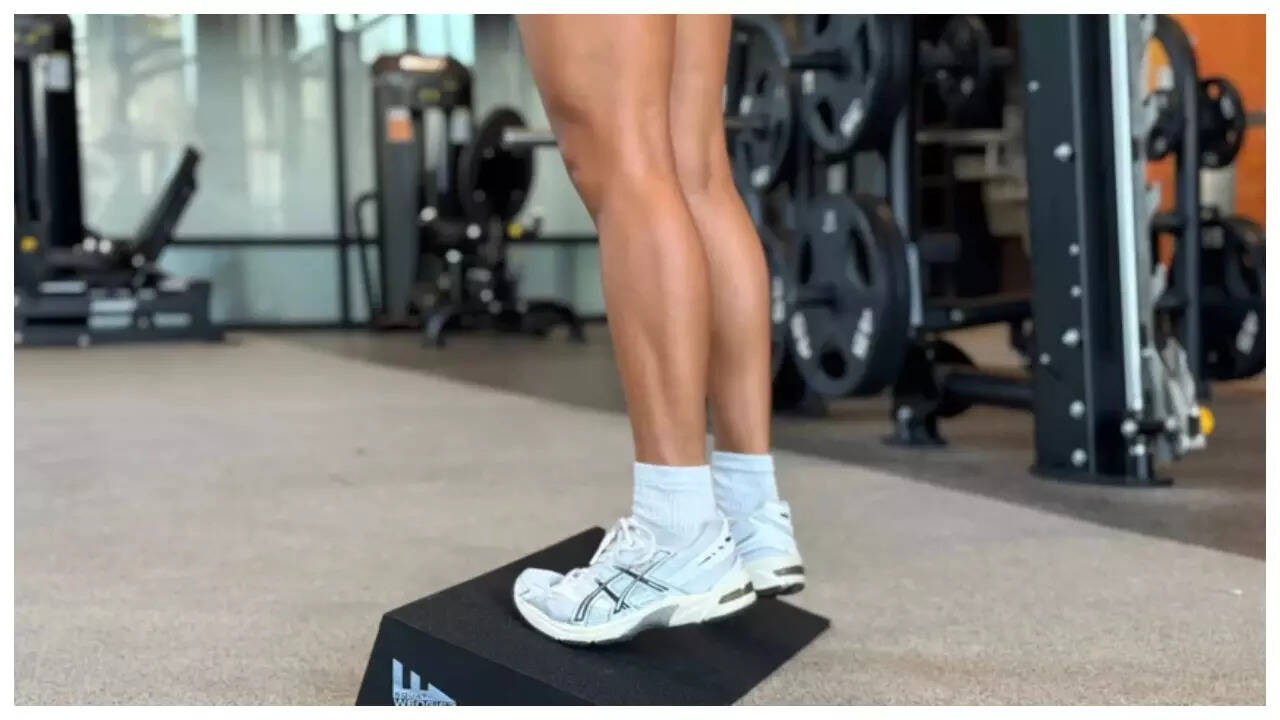
Second heartThe calf muscle group is also known as the "second heart", because it assists the primary heart in blood circulation, throughout the lower body. The calf pump function becomes weak when people spend too much time sitting while exercising less, and when they have vein disease which leads to blood accumulation in their lower legs that increases their chances of developing swelling, varicose veins and leg ulcers.Leading reviews about venous circulation, demonstrate that the calf pump functions correctly to decrease leg vein pressure, when walking, and during multiple muscle contractions, which protects tissues from damage, caused by extended high venous pressure. Performing calf raises as an exercise will enhance your muscle strength, which produces stronger contractions that boost blood flow to the heart while decreasing heart workload.Help for cold hands and feetYour feet together with your hands get cold, because your body fails to distribute blood properly throughout your body, even when you are in a heated environment. When blood flow slows in the legs, warm blood does not reach the toes efficiently, and the return of cool blood back to the heart is also delayed.By driving more blood up from the feet, a quick set of calf raises helps refresh circulation so that warmer blood can cycle through again.
The calf raise exercise primarily targets the legs, but improved venous return function, enhances the complete circulatory pathway, which might benefit people who experience coldness because their blood circulation is slow.
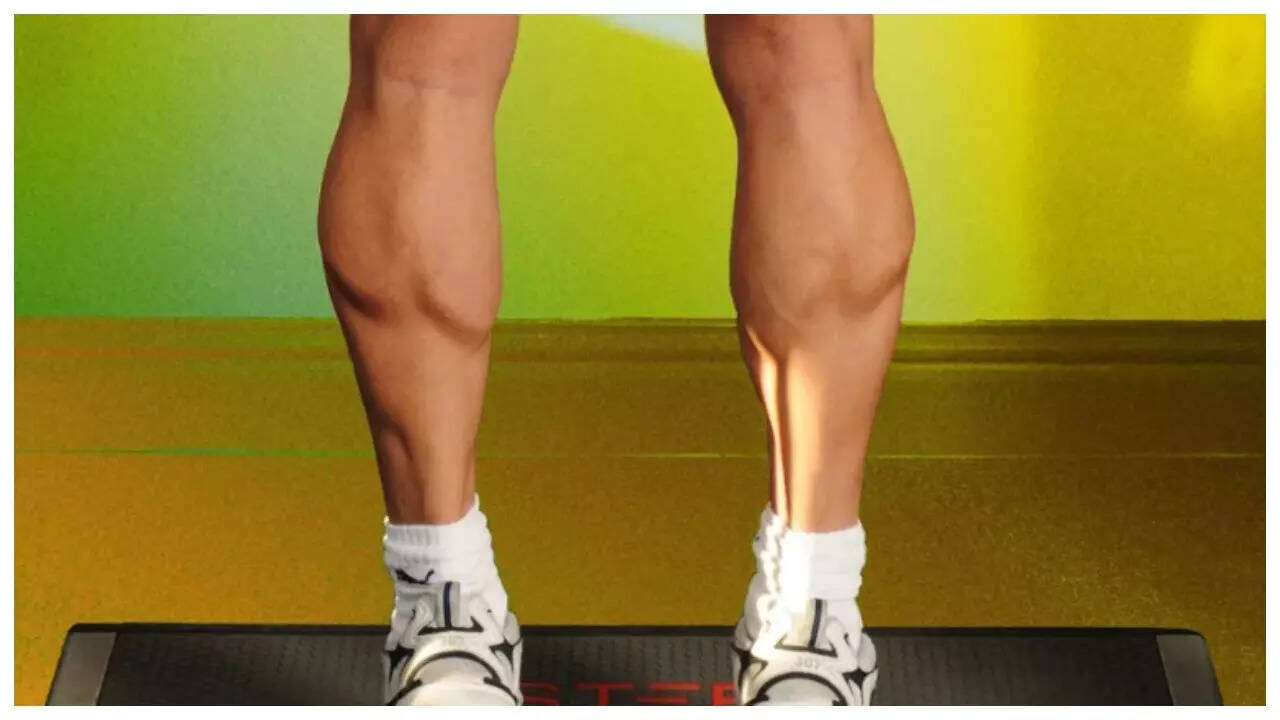
Easing leg numbness or tinglingNumbness or tingling in the legs and feet can come from nerve issues, but in many people, it is also worsened by sitting or standing without movement, which reduces blood supply to nerves and tissues.
Performing calf raises during your desk work or travel time, will trigger short periods of blood circulation to your lower legs.Research on calf pump hemodynamics shows that each muscle contraction leads to fast blood flow increases in veins and pressure changes between veins, which successfully clears blood stagnation while bringing in fresh oxygenated blood. This new movement pattern helps people avoid the uncomfortable sensation that occurs when their body remains motionless for extended periods.
The practice of performing 20–30 seconds of calf raises every hour will help you achieve this benefit.Calf raises and poor circulation symptomsCommon signs of poor leg circulation include swelling around the ankles, visible veins, dull ache, skin color changes, and slower healing of small cuts. People who have chronic venous problems, develop worse symptoms and their leg ulcers take longer to heal, because their calf muscles remain weak or do not function properly.The evaluation of calf pump function shows that active calf muscle contractions decrease the pressure that builds up in leg veins during walking activities, thus preventing chronic venous disease. Studies of venous leg ulcer patients in clinical settings, demonstrate that performing calf exercises daily leads to faster wound recovery because it enhances blood flow which delivers more oxygen to the affected tissues.
The programs extend beyond 30 seconds but you can achieve continuous pump by performing short calf-raise exercises at different times throughout your day.Tired, heavy legs and standing jobsPeople who need to stay on their feet or sit for extended periods will develop tired heavy legs which they experience during their evening hours. When leg muscles are not contracting strongly, fluid and blood tend to collect in the lower legs, making them feel heavy, tight and fatigued.Studies about exercise training show that calf muscle exercises improve blood flow to legs, which leads to better walking abilities for patients who experience circulation problems. The same principle which applies to longer training sessions in research programs also works here: the calf pump needs regular activation to prevent blood pooling, so performing 20-30 seconds of calf raises every 30-60 minutes, will help maintain leg lightness through continuous blood flow.How to do quick calf raises safelyYou can do standing calf raises almost anywhere:Stand near a wall or chair for balance.Keep feet hip‑width apart.Slowly rise up onto your toes, lifting your heels.Pause for a second at the top, then lower slowly.Do continuous raises for 20–30 seconds which should include 15–25 repetitions throughout your day, especially after sitting or standing without movement. People with balance issues, severe vein disease, heart problems, diabetes or neuropathy should talk to a doctor or physiotherapist before starting, to get a safe version (such as seated calf raises).When calf raises are not enoughCalf raises serve as a useful exercise but they do not solve every problem. You should visit a doctor right away when you experience any of the following symptoms:The leg develops unexpected swelling while the affected area becomes hot and painful, because of a possible blood clot.The legs experience intense burning pain during walking which disappears after resting (possible peripheral artery disease).Non-healing sores, skin darkening or hardening appear around the ankles.Patients who have chronic venous disease and peripheral artery disease should be treated with medical tests, compression therapy, and structured exercise programs instead of depending on home exercises.






 English (US) ·