

 1 hour ago
5
1 hour ago
5
ARTICLE AD BOX
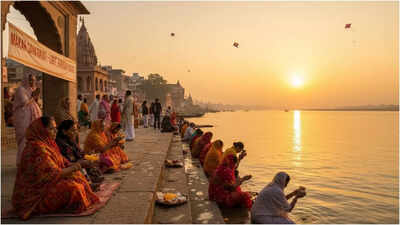
Makar Sankranti marks a significant astronomical and spiritual transition, celebrating the Sun’s movement from the Southern Hemisphere to the Northern Hemisphere. This shift is regarded as highly auspicious in Indian tradition.
On Makar Sankranti, the Sun enters the phase known as Uttarayan, meaning the Sun begins its northward journey. The word Makar refers to Capricorn, while Sankranti means transition. Together, Makar Sankranti signifies the moment when the Sun moves from Sagittarius into the Capricorn zodiac sign. This solar movement sets it apart from most Indian festivals, which are based on the lunar calendar, and firmly anchors it to the solar calendar.The six-month period following Makar Sankranti, when the Sun continues its northward path, is known as Uttarayan. This phase symbolises the gradual lengthening of days, increased sunlight, warmth, and a rise in positive energy. In Vedic thought, this change is not just physical but deeply symbolic, representing a shift from darkness to light, inertia to activity, and ignorance to awareness. As nature responds with renewed vitality, the period is considered especially favourable for spiritual practices, discipline, and self-growth.
Significance of Makar Sankranti
The Bhagavad Gita highlights the importance of Uttarayan in a profound way. In Chapter 8, Lord Krishna explains the two cosmic paths associated with light and darkness. He describes how those who depart the world during the path of light, day, and the bright phase of the moon attain liberation, while those who leave during the path of darkness and night are reborn. Uttarayan, therefore, is more than a date on the calendar.
It represents a state of higher consciousness, right knowledge, and devotion. The Sun’s northward movement, accompanied by increasing light and warmth in the Northern Hemisphere, is seen as a symbol of spiritual awakening, fresh beginnings, positive thoughts, and the steady retreat of darkness.According to religious belief, Makar Sankranti is an ideal day to worship the Sun God and undertake acts of purification.
Devotees offer prayers to Surya Narayan and Lord Vishnu, believing that such worship brings health, happiness, prosperity, and good fortune. Scriptures also mention that this period marks the beginning of daytime in the world of the gods. Nature itself seems to respond to this shift. Creatures that had become sluggish due to winter cold gradually regain their energy, and new life begins to stir all around.From an astrological perspective, the Sun’s presence in the Northern Hemisphere continues as it moves through Capricorn and later other signs, reinforcing the symbolic dominance of light, growth, and forward movement during this period.
Significance
Spiritual: Makar Sankranti marks what is traditionally called the “daytime of the gods.” It is considered an ideal time for spiritual practices, inner upliftment, and efforts toward knowledge and liberation.Natural: The festival aligns with the gradual transition from winter toward warmer months, bringing renewed vitality, energy, and balance to the natural world.Cultural: Makar Sankranti is closely associated with harvest celebrations across India, symbolising abundance, gratitude, and the beginning of a new agricultural cycle.Religious beliefs further state that Uttarayan is an extremely auspicious phase. It is believed that the gates of heaven open during this time, and those who leave their body in this period attain higher realms. In contrast, some traditions hold that departing during Krishna Paksha leads the soul to be reborn to experience the results of past actions.The story of Bhishma Pitamah from the Mahabharata powerfully illustrates this belief.
Blessed with the boon of choosing the time of his death, Bhishma lay on a bed of arrows and waited patiently for Uttarayan to begin. On the day of Makar Sankranti, once the Sun entered Uttarayan, he offered his prayers to Lord Krishna and gave up his body. This episode strengthened the belief that leaving the mortal world during Makar Sankranti frees the soul from the cycle of birth and death.Another widely held belief relates to astrology and relationships.
Capricorn is ruled by Lord Shani, while the Sun is considered his father. On Makar Sankranti, the Sun’s entry into Capricorn is seen as a symbolic visit to Shani’s house. This meeting is interpreted as a sign of reconciliation, forgiveness, and the easing of strained relationships.Several classical texts refer to this period as Ravi Sankranti and emphasise the importance of ritual bathing and charitable acts. Scriptures describe the spiritual merit gained through donations, sacrificial rites, and offerings to ancestors through Shraddha rituals. Traditional practices include donating items made of sesame seeds, lighting sesame oil lamps, offering libations with sesame, performing Shiva worship, and anointing the deity with ghee.
These acts are believed to purify the individual and bring spiritual and material well being.Together, these beliefs and practices highlight why Makar Sankranti holds such enduring importance in Vedic, spiritual, and cultural life.






 English (US) ·