

 1 hour ago
4
1 hour ago
4
ARTICLE AD BOX
Last Updated:December 22, 2025, 10:27 IST
India’s first goods train travelled through Uttarakhand on December 22, 1851, to carry clay and construction materials for the Ganga Canal project.
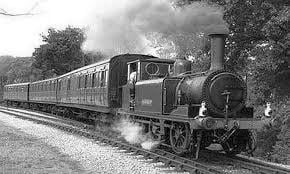
Trains have long been the lifeline of India, transporting millions of passengers and goods across the country. While the Bombay-Thane passenger train of 1853 is often credited as the beginning of Indian railways, the true story actually began earlier with a lesser-known goods train.
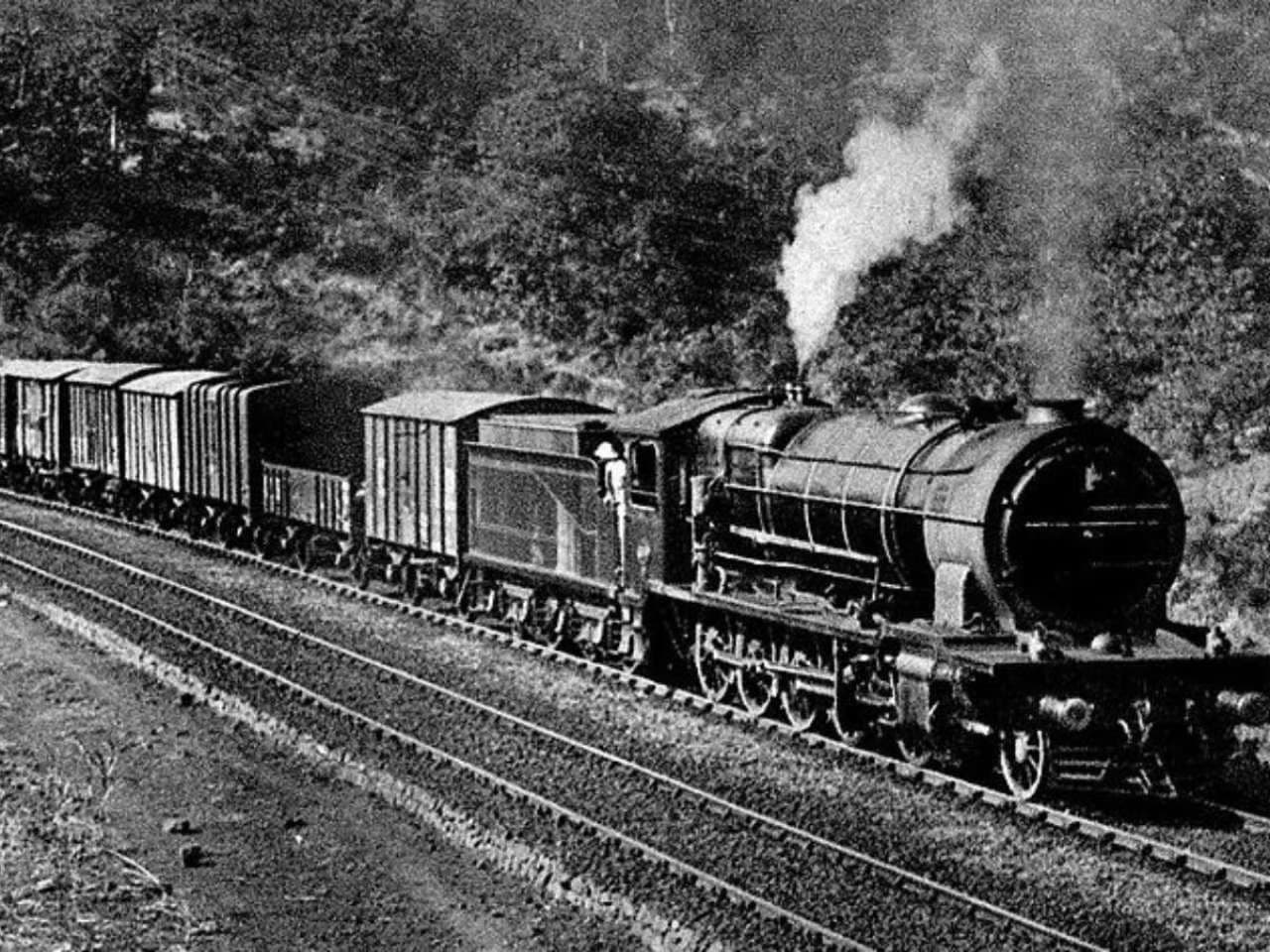
India’s first goods train travelled through Uttarakhand on December 22, 1851, to carry clay and construction materials for the Ganga Canal project. It covered a distance of 10 kilometres between Roorkee and Piran Kaliyar.
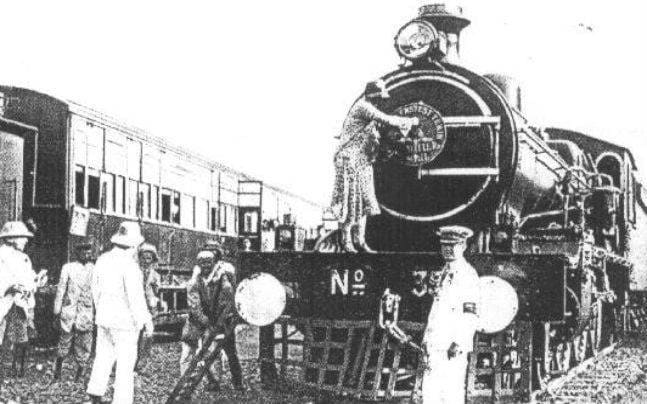
Imported from England, the locomotive was named Thomason or Jenny Lind. It pulled two bogies capable of transporting 180-200 tonnes of earth at a slow pace of 4–6 km/h. The train, travelling on narrow-gauge tracks, completed its journey in roughly 38 minutes.
Engineers needed this train because the Ganges Canal project demanded massive amounts of clay to raise the canal embankments. And transporting the material by bullock cart would have been slow, so the railway line offered a more practical solution.
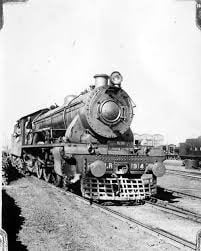
The line operated for nine months before the engine caught fire in 1852, by which time the canal project was complete. Despite its short life, the train was historically significant as it predated the famous Bombay-Thane passenger service and marked a pioneering industrial use of railways in India.
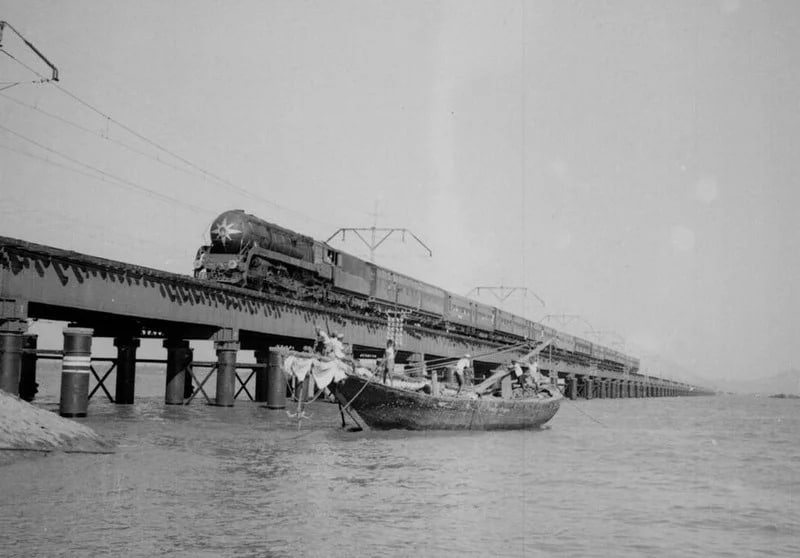
Construction of the tracks was done by Indian labourers under British engineer Sir Proby Cautley. Using only manual tools like picks, shovels and baskets, they laid iron rails with wooden sleepers (imported from England) to build a narrow gauge (about 2-3 feet wide) over mostly flat terrain to speed up clay transportation.
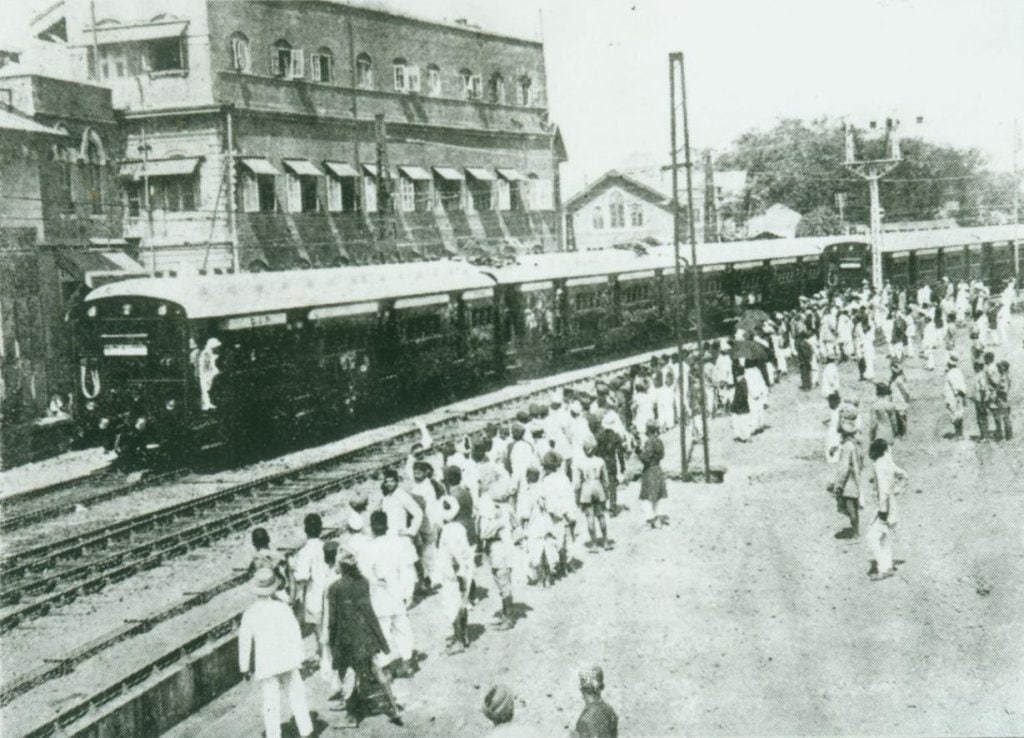
The task wasn’t easy as labourers faced numerous challenges. There was no steam-powered equipment for excavation, so all work was human or animal-driven. Despite these hardships, the team completed the track quickly to meet urgent project deadlines.
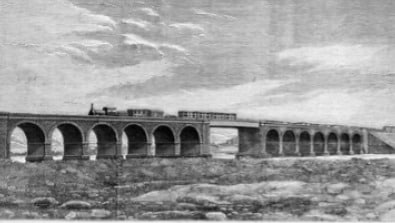
The Solani Aqueduct on the Ganges Canal required massive quantities of clay for its construction. Completed in 1854, the 350-kilometre canal transformed agriculture in Uttar Pradesh and Uttarakhand as it irrigated over 1.6 million hectares.
The Solani Aqueduct, built between 1842 and 1846, was an engineering marvel. Featuring 15 arches, each 50 feet wide, it was constructed using traditional brick masonry and supported by piers and wells sunk deep into the riverbed. Its design inspired water management projects worldwide.
Massive stone cubes were sunk nearly 20 feet into the riverbed to create stable foundations. The structure itself spanned nearly 1,000 feet with a width of 172 feet and a height varying between 25 and 50 feet.
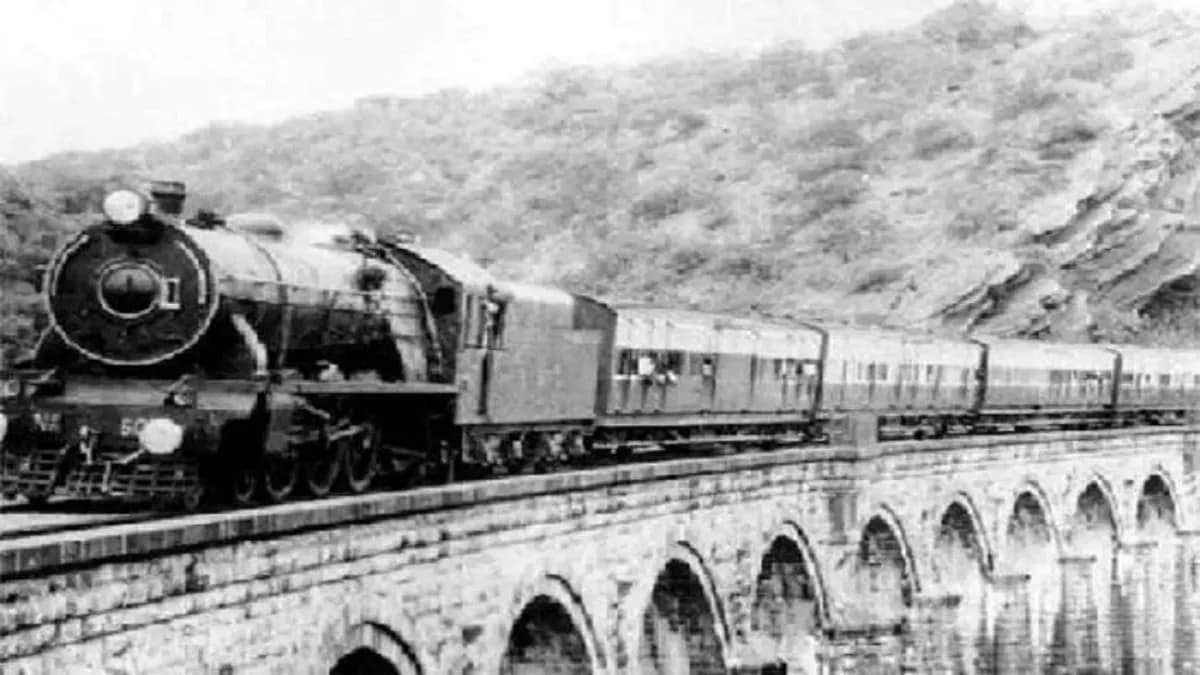
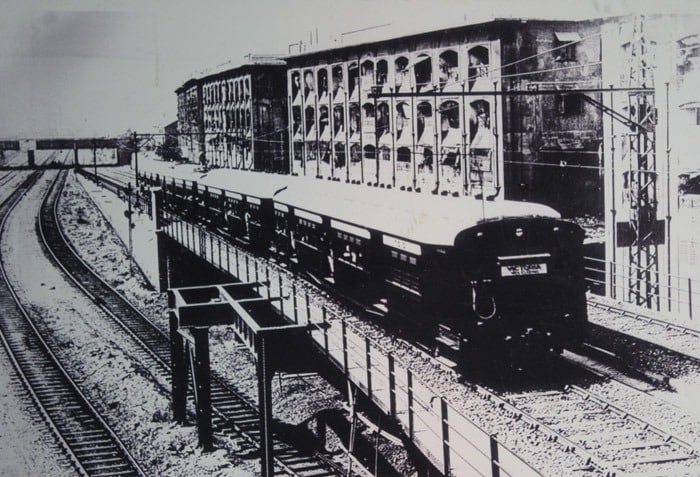
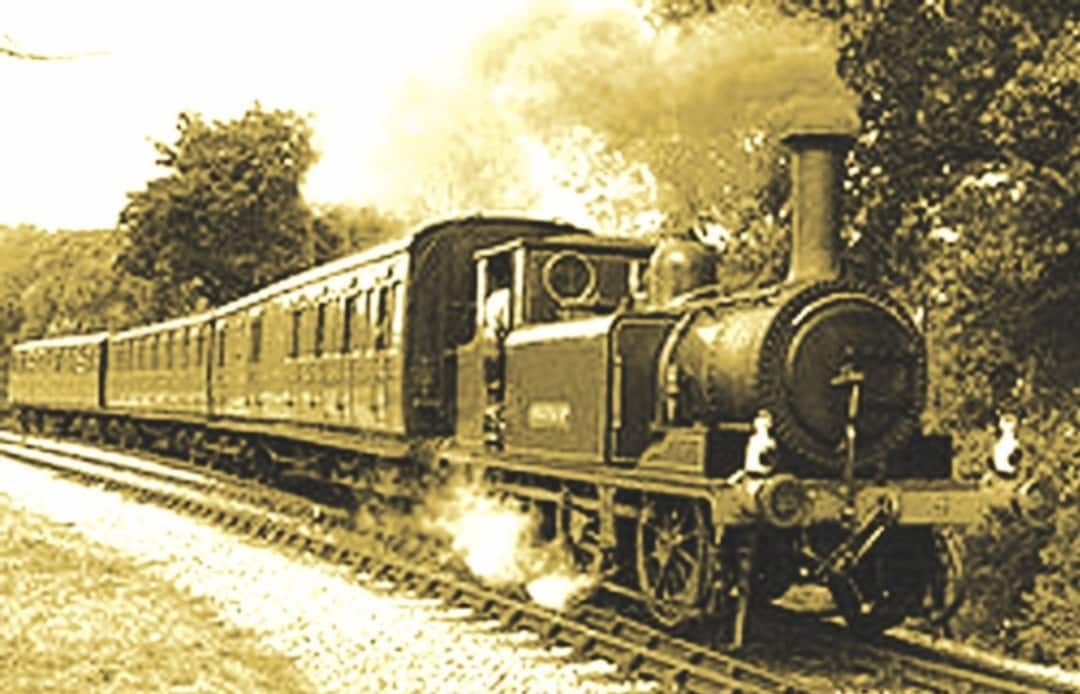
Unfortunately, no authentic photographs of the train or construction survive, as photography was in its infancy. Historical accounts rely on sketches, reports and modern illustrations.
News Photogallery viral GK December 22 1851 India First Goods Train Before Bombay-Thane Passenger Rail






 English (US) ·