

 1 week ago
11
1 week ago
11
ARTICLE AD BOX
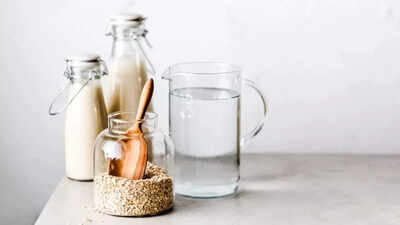
Imagine resorting to oats for weight loss, and that one habit giving you results as Ozempic does! Sounds tempting, right? That’s the promise buzzing all over TikTok and Instagram with the latest trend, “Oatzempic.
” People are blending oats, water, and a splash of citrus, then swearing online that this homemade concoction is a fast, natural way to lose weight. The name’s no accident—it riffs off Ozempic, the prescription drug famous for helping with weight loss. But don’t get too swept up. Nutrition experts are quick to point out that this viral oat drink isn’t a drug at all, and it definitely doesn’t work like Ozempic. As the hype keeps building, dietitians and researchers are stepping in to clear things up about what Oatzempic actually does—and what it doesn’t.
So, what’s the deal with “Oatzempic”?
At its core, Oatzempic is just a drink people whip up at home. The standard recipe? Blend half a cup of rolled oats with a cup of water (or plant milk) and juice from half a lime or lemon. Some folks toss in cinnamon, honey, or fruit for a little extra taste, but the base stays the same: a smooth, frothy blend people gulp down in the morning, sometimes instead of breakfast. The whole point is to make a breakfast drink that’s filling but low in calories.
And yeah, the name is a mashup of “oats” and “Ozempic,” thanks to the drug’s headline-grabbing weight loss results. A lot of the people pushing this trend suggest it works “just like Ozempic,” minus the prescription.
How do you make it?
It’s about as easy as it gets:
- ½ cup rolled oats
- 1 cup water or plant milk
- Juice from half a lime or lemon
Blend until smooth. Drink it in the morning, either before breakfast or as your breakfast. Some people add cinnamon or fruit for flavor. Scroll through the hashtags, and you’ll see wild claims—people talking about losing up to 40 pounds in two months just by drinking this every day. But is any of it real?
Does Oatzempic actually work like Ozempic?
Here’s the honest answer: no, it doesn’t. Ozempic (semaglutide) is a legit medication—a GLP-1 agonist that changes how your body handles hunger and blood sugar, all proven in clinical trials. Oatzempic, on the other hand, is just oats and water. It doesn’t touch those same hormones or metabolic systems. So, what’s really going on?So if there’s any benefit at all, it probably comes down to two things:Firstly, oats are packed with fiber, especially beta-glucan, which helps you feel full longer.
Studies show that oat-heavy breakfasts can curb hunger and help people eat less later in the day.Then comes the part of replacing a big, calorie-heavy breakfast (think pastries or sausage and eggs) with a low-calorie oat drink, which cuts your daily intake. Fewer calories in means weight loss—simple as that. But honestly, any healthy, low-calorie breakfast can do the same thing. It’s not magic, and it’s not unique to Oatzempic.
What does the science say?
So far, nobody’s run real clinical studies on this specific Oatzempic drink. Nutrition researchers agree: oats and fiber are good for you, but there’s zero proof that blending them with citrus in the morning does anything special for weight loss. The only thing we know for sure is that oats can help you feel full, and fiber-rich diets support better blood sugar and cholesterol. Any weight loss benefits from oats are pretty modest and work best alongside a generally healthy diet and exercise.
There’s no miracle shortcut here.
What do the experts think?
Dietitians warn people not to treat Oatzempic as a miracle cure. It’s missing protein and other nutrients, so making it your go-to breakfast every day isn’t a great idea. Over time, you could end up with nutrient gaps or just get bored and give up. Moreover, it’s not a replacement for medical weight loss treatments like GLP-1 drugs, and there’s no real proof it melts off pounds on its own.In reality, sustainable and long-term weight loss takes more than a trendy drink. If you are truly committed to losing weight, your best chance is to eat balanced meals, stay active, get enough sleep, and adhere to established, healthy habits rather than seeking quick fixes that have gone viral online. And if you are considering changes to your diet or trying something new for weight loss, consult your physician and do not be swayed by the hype you see on the Internet.









 English (US) ·