

 1 hour ago
3
1 hour ago
3
ARTICLE AD BOX
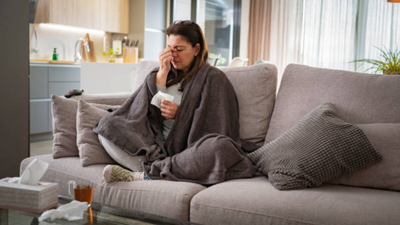
As the year nears its end, and the temperature drops drastically, the recurrence of Winter migraines resurfaces. Winter migraines are neurological disorders that occur due to drop in temperature, atmospheric pressure and indoor heating, which are all prevalent during the winter months.
Persons who experience Winter Migraines typically have episodic headaches, typically on the side of the head persisting from a few hours to a day or two. These episodes of headache can range from mild to debilitating pain with additional symptoms like fever, that require medical attention.
Why do migraines worsen during winter?
- The trigeminal nerve, which is a major component for migraine pathways, is highly sensitive to cold temperatures. This triggers the nerve resulting in migraines.
- During winters, people usually drink less water. This lack of hydration causes electrolyte imbalance that affects blood flow to the brain, which leads to increased migraines.
- Sinusitis and respiratory infection spike up during the colder months. These infections lead to nasal congestion and fever which aggravate migraine symptoms.
- Winters have shorter days and longer nights. This leads to erratic sleep schedules and a decrease in exercise. This physical inactivity is also reported to contribute greatly to the occurrence of migraines.
- Indoor humidity levels decrease with use of heaters. The dry air can worsen infections and dehydration.
Decode Your Migraines: Understanding Common Triggers And Solutions
Prevention and control of winter migraines:
Although, winter can make migraines worse, there are several preventive measures that can be taken in order to avoid these episodic headaches:
- Avoid abrupt changes from the warm indoors. Wear warm clothing that cover sensitive body parts like the head and ears that are susceptible to the cold.
- Staying constantly hydrated, even if you are not thirsty is key as indoor heating and dry winds cause dehydration.
- Maintaining a regular sleep cycle and good exercise is vital in the winter months. It helps stabilise other bodily functions like blood sugar, reducing the chances of migraines.
- Exposure to natural sunlight during the day time and proper hygiene goes a long way in boosting serotonin levels and keeps the infections at bay.
- Additionally, for protection against the drying effects of indoor heating, use a humidifier as it restores moisture.
Medical treatments for winter migraines:
It is crucial to consult a neurologist for a medical assessment if the headaches and symptoms increase despite changes in lifestyle.
Early medical intervention is important as it assures a personalised medical plan that stalls chronic migraine patterns, helps regain control over vitals. Persistent migraine attacks may require Anti- Migraine prophylactic medication that help curb the frequency and intensity of the episodes.
A specialist can examine the symptoms and triggers, assess your medical history and help determine if preventive therapy, that includes beta blockers, CGRP- based treatments or anti-convulsant are appropriate.
For additional aid, the neurologist might suggest evidence-based supplements, such as riboflavin, vitamin Or CoQ10.Those who suffer from Winter Migraines, winter is especially difficult with all the seasonal changes and increased triggers. It’s essential to stay warm, well rested, hydrated, and do regular physical activities. If the episodes continue despite these measures, consulting a specialist is important to discuss preventive medication and supplements. Winter migraines can be better controlled with the proper care and timely attention, enabling people to continue being comfortable and function well throughout the season.Dr. Guruprasad Hosurkar, Director & Lead Consultant in Neurology, Head of Parkinson’s Disease and Movement Disorder Programme, KIMS Hospitals Bengaluru







 English (US) ·