

 1 hour ago
3
1 hour ago
3
ARTICLE AD BOX
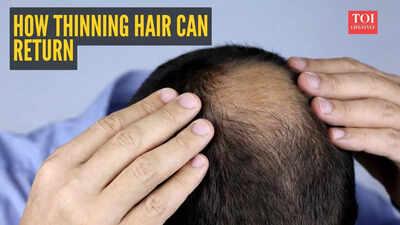
Hair loss is often treated as a one-way process, especially when it runs in families. Once hair starts thinning, many people assume the follicles are permanently gone and that little can be done beyond slowing the damage.
But a widely shared thread by US-based Doctor of Pharmacy Dr Shayan Sen challenges that belief, arguing that in many cases hair follicles are not dead, just dormant.According to Dr Sen, common forms of hair loss, including androgenetic alopecia, are better understood as a metabolic malfunction of the scalp rather than a fixed genetic sentence. Reduced blood flow, chronic inflammation, nutrient deficiencies and low cellular energy can push follicles into a prolonged resting state.
Addressing those factors, he says, can help reactivate growth, particularly when intervention starts early and is applied consistently.
Hair follicles are dormant, not dead
Dr Sen’s core argument is simple: thinning hair usually reflects follicles that have shut down temporarily, not follicles that have disappeared. Low oxygen delivery, mitochondrial breakdown, inflammatory signalling and hormonal imbalance weaken follicles and shorten their growth phase.
Genetics still play a role, but they mainly determine vulnerability. As he puts it, genetics load the gun, while environment and lifestyle pull the trigger.
The real causes behind thinning hair
Rather than blaming hair loss on “just genetics”, the thread highlights several biological drivers that often work together. DHT sensitivity becomes damaging mainly in inflamed scalps. Poor circulation leads to scalp hypoxia, effectively starving follicles.
Mitochondrial dysfunction reduces ATP, the energy currency cells need to grow hair. At the same time, inflammatory cytokines such as TNF-alpha can actively block the growth phase of the hair cycle.There is evidence that dormant follicles can restart. Minoxidil, one of the most established treatments, works largely by improving blood flow and boosting cellular energy. Low levels of ferritin, zinc or vitamin D are well known, reversible causes of hair shedding.
Scalp biopsy studies also show follicles reactivating after targeted interventions. Importantly, the scalp contains stem cells that can be stimulated under the right conditions.
Phase one: Restore blood flow and calm inflammation
The first stage focuses on improving circulation and reducing chronic scalp stress. Simple daily habits form the foundation. Five minutes of scalp massage can increase thickness over time. Brief cold exposure, such as a one-minute cold shower, triggers short bursts of vasodilation.
Walking after meals helps lower insulin levels, which indirectly reduces DHT signalling.Diet also matters. Dr Sen recommends cutting back on inflammatory seed oils and excess sugar, while increasing omega-3 intake. Supplementing with more than two grams of EPA and DHA daily has been linked to reduced inflammation and improved scalp health.
Phase two: Replenish key nutrients
Hair follicles are highly sensitive to nutrient shortages, so guessing is discouraged.
Blood tests are suggested for ferritin, vitamin D, zinc, B12 and thyroid markers such as TSH and free T3. Low levels in any of these can quietly drive shedding.Where deficiencies exist, targeted supplementation may help. Myo-inositol can improve insulin sensitivity and lower DHT activity. Taurine may protect follicles from fibrosis and scarring, while NAC supports antioxidant defences by increasing glutathione and reducing inflammation.
Phase three: Activate dormant follicles
Once the scalp environment improves, the focus shifts to reactivating growth. Low-level red light therapy, particularly around 660 nm, is used to recharge follicular mitochondria. Weekly microneedling at shallow depths can trigger growth factors such as VEGF, IGF-1 and FGF, which support new hair formation. Topical melatonin at low concentrations may help extend the growth phase and improve density.
Topicals with real evidence behind them
Dr Sen advises skipping influencer-driven gimmicks and focusing on compounds that have at least some scientific support.
These include copper peptides like GHK-Cu for tissue repair, melatonin for antioxidant protection, and cetirizine to block PGD2, a known hair growth inhibitor. Caffeine and niacinamide can improve blood flow, while plant-based compounds such as EGCG, Redensyl, Capixyl, Baicapil, Anagain and Procapil are promoted for their potential effects on follicle anchoring and growth cycles.
Applying these after massage or microneedling may improve absorption.
Oils that support, but do not replace treatment
Natural oils are framed as supportive rather than curative. Rosemary oil has been shown in studies to perform similarly to 2 per cent minoxidil over six months. Pumpkin seed oil may reduce DHT production, while castor oil supports the scalp barrier. On their own, these are unlikely to reverse hair loss, but they can improve the overall scalp environment.
What to avoid if you want results
Certain habits can undermine progress. Harsh shampoos containing sulfates or silicones can disrupt the scalp microbiome.
Overwashing strips protective oils and alters pH. Tight hairstyles and constant helmet use may cause traction-related thinning. Chronic stress raises prolactin and DHT levels, while poor gut health can drive systemic inflammation that shows up in the scalp.
Timelines and realistic expectations
Hair growth works in slow cycles, typically three to six months. Stopping after a few weeks often means quitting before results appear. Tracking progress monthly under the same lighting conditions helps set realistic expectations.
Consistency matters more than intensity, and precision beats panic.Dr Sen’s message is not that everyone can fully reverse baldness, especially in advanced cases. Instead, he argues that many people give up on follicles that are still capable of recovery. In his view, hair regrowth often comes down to restoring oxygen, nutrients and cellular energy. For some, the follicles may simply be waiting for the right conditions to switch back on.








 English (US) ·