

 1 day ago
7
1 day ago
7
ARTICLE AD BOX
Last Updated:February 19, 2026, 16:35 IST
NHAI has taken the initiative to develop continuous stretches of bee-friendly vegetation with flowering trees and plants along the National Highways.
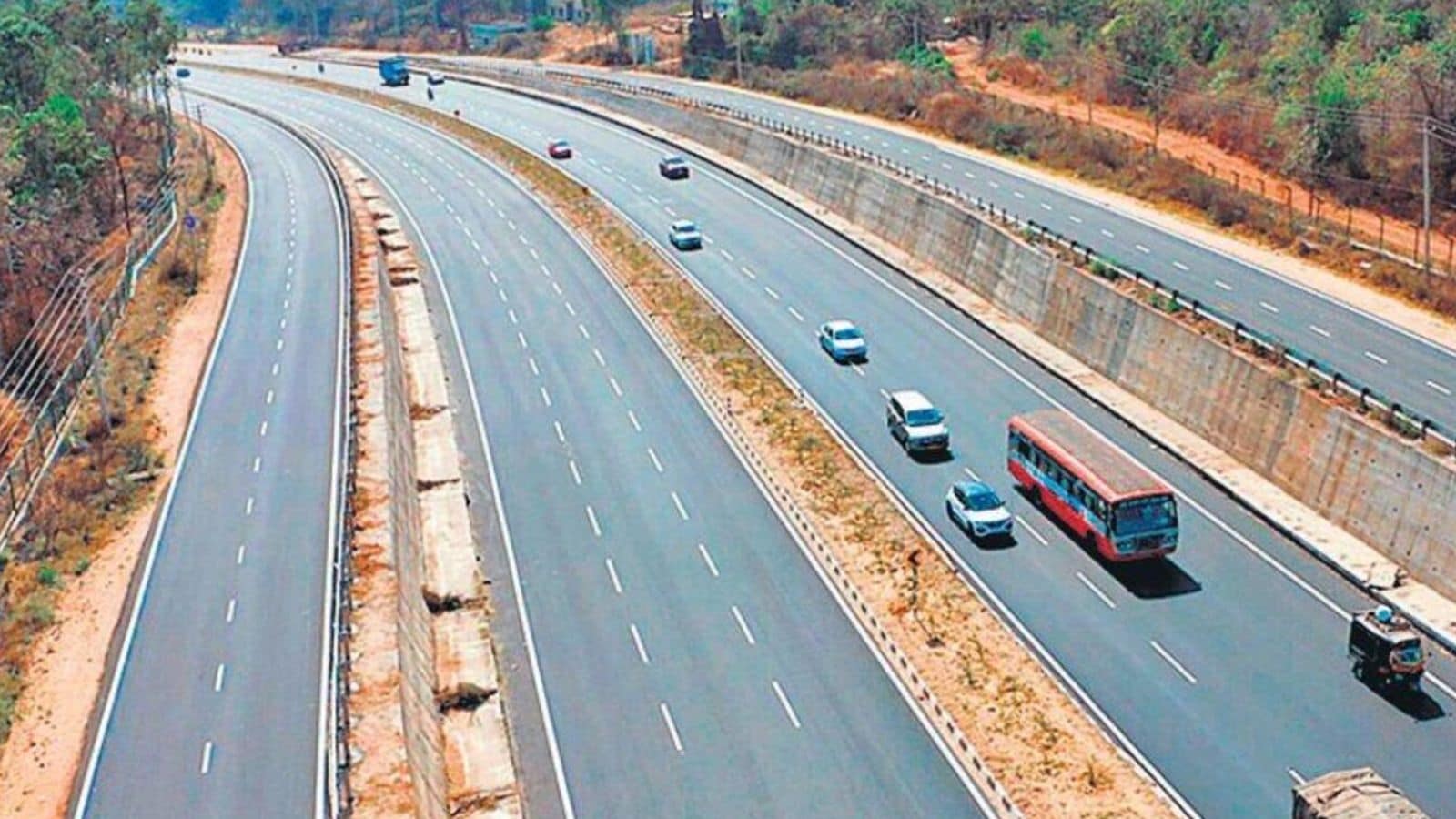
Marking a shift from ornamental to ecological plantations, the National Highways Authority of India (NHAI) is planning to develop a continuous linear stretch of bee-friendly vegetation that comprises flowering trees and plants along the highways. This first-of-its-kind initiative will ensure the availability of nectar and pollen throughout the year.
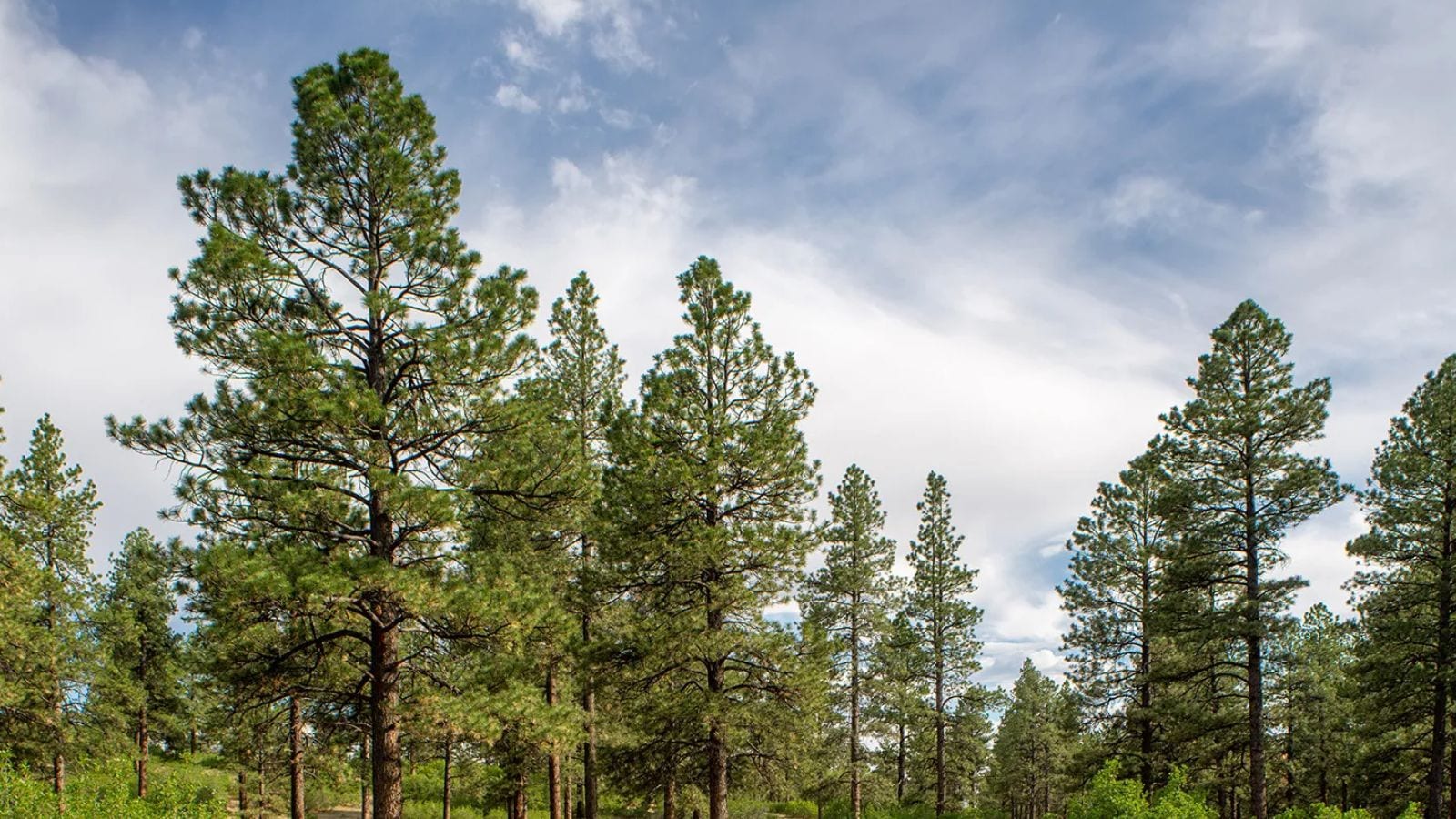
Reiterating its commitment to sustainable infrastructure development, the authority will plant different varieties of trees, shrubs, herbs, and grasses that are beneficial to pollinators. Unlike traditional decorative plantings, the new corridors will be designed to provide year-round nectar and pollen, ensuring sustained food sources for pollinators.

Plantations along National Highways offer a unique opportunity to help reduce the increasing ecological stress faced by honeybees and other pollinators, which is harmfully impacting agricultural and horticultural productivity, pollination services, and overall ecological balance.

Key highlights of the initiative? The authority plans to create continuous stretches of dedicated bee-friendly trees, shrubs, herbs, and grasses that will retain wild elements by planting nectar- and pollen-rich species, ensuring year-round flowering weeds to bloom, along with dead wood and hollow trunks that are beneficial to pollinators.
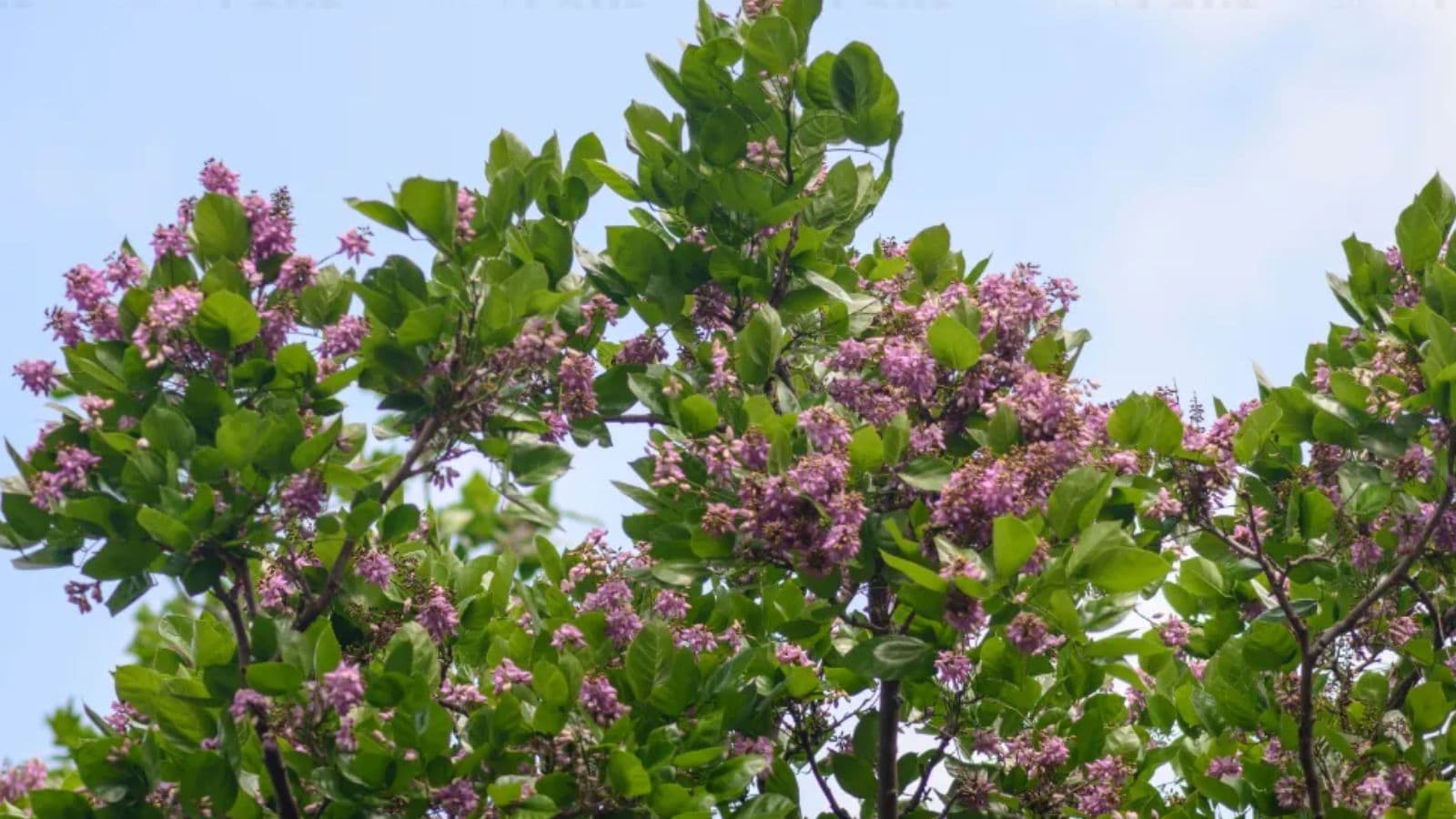
The selection of plant species will ensure staggered flowering across different seasons to maintain a continuous blooming cycle throughout the year. Native species of trees and plants, including Neem, Karanj, Bottle Brush, Jamun, Mahua, Palash, and Siris, will be planted along National Highways.

Depending upon agro-climatic conditions and local suitability, such corridors will be developed along National Highway stretches and other vacant NHAI land parcels. NHAI field offices will identify National Highway sections across the country where clusters of flowering trees can be planted at intervals of approximately 500 meters to 1 km, matching the average foraging distance of honeybees and wild bees.

In addition to that, NHAI field offices will plan and develop at least three pollinator corridors in the next financial year, beginning April 1. The authority plans to plant around 40 lakh trees along National Highways during the tenure, with nearly 60 per cent to be planted under the ‘Bee Corridor’ initiative.

This unique ‘Bee Corridor’ initiative will help boost ecological outcomes, contribute to pollinator conservation, and further strengthen the National Highways Authority of India (NHAI)’s commitment to environmentally responsible National Highway development. However, no details have been shared yet regarding the specific national highway stretches where these corridors will be implemented.
News Photogallery auto 40 Lakh Trees On National Highways: What Is ‘Bee Corridors’? Will It Reduce Pollution? NHAI’s Plan Explained









 English (US) ·