

 1 hour ago
8
1 hour ago
8
ARTICLE AD BOX
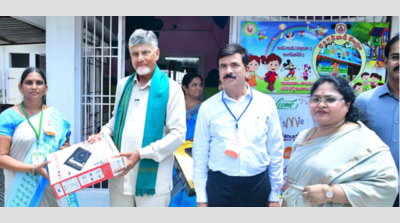
Chief minister N. Chandra Babu Naidu distributes induction stove and utensils kit to beneficiaries along with EESL CEO Akilesh Kumar Dixit, secretary A Surya Kumari and M Venugopal Reddy
Visakhapatnam: Andhra Pradesh, in collaboration with the Energy Efficiency Services Limited (EESL), is on track to complete the distribution of induction cooktops and related cookware to all 55,746 Anganwadi centres across the state by the end of June. Following a successful first phase that provided environmentally friendly appliances to 11,400 centres, the state is now in the final stages of equipping the remaining locations.According to officials, the transition to induction-based cooking is a sustainability initiative that offers significant operational and health benefits. Induction cooking is approximately 30 per cent more energy-efficient than traditional LPG-based cooking, resulting in nearly 35 per cent cost savings. Beyond the financial benefits, the shift is projected to prevent nearly 28,327 tonnes of CO₂ emissions annually.In an official statement issued on Sunday, EESL appreciated the Andhra Pradesh govt’s bold and progressive initiative to lead the country in adopting clean cooking solutions across more than 55,000 Anganwadi centres. The initiative is a significant milestone in promoting clean cooking and reflects the visionary leadership of chief minister N. Chandrababu Naidu. It will also serve as a model for the state’s administrative machinery, a state official said.
During an exclusive presentation, secretary, women development and child welfare department, A Surya Kumari, along with Director M. Venugopal Reddy, highlighted the key benefits of the programme. They said the initiative marks another significant milestone in Andhra Pradesh’s journey towards sustainable development and reinforces the state’s commitment to contributing meaningfully to the vision of an energy-efficient, environmentally responsible and climate-resilient India.“Induction-based clean cooking enhances the health and well-being of women and children by reducing exposure to harmful pollutants generated during conventional cooking processes. It supports environmental sustainability through lower emissions and improved air quality. The transition also delivers economic benefits by reducing energy costs and promoting green growth,” Surya Kumari and Reddy said.Akhilesh Kumar Dixit, CEO of EESL, said the partnership between the women development and child welfare department of Andhra Pradesh and EESL has empowered Anganwadi centres with clean cooking technologies.
“This initiative has strengthened energy security and reduced dependence on conventional cooking fuels even before the ongoing West Asia conflict began affecting fuel supply chains in many countries,” said Dixit.As a key implementation partner, EESL has played a key role in translating the national clean cooking agenda into on-ground action. Through large-scale deployment, stakeholder engagement, consumer awareness and innovative financing mechanisms, EESL is helping make clean cooking accessible, affordable and sustainable for households across India, said the officials.






 English (US) ·