

 1 day ago
5
1 day ago
5
ARTICLE AD BOX
Last Updated:February 05, 2026, 09:28 IST
Discover its features, benefits, and how it aims to transform Indian agriculture.
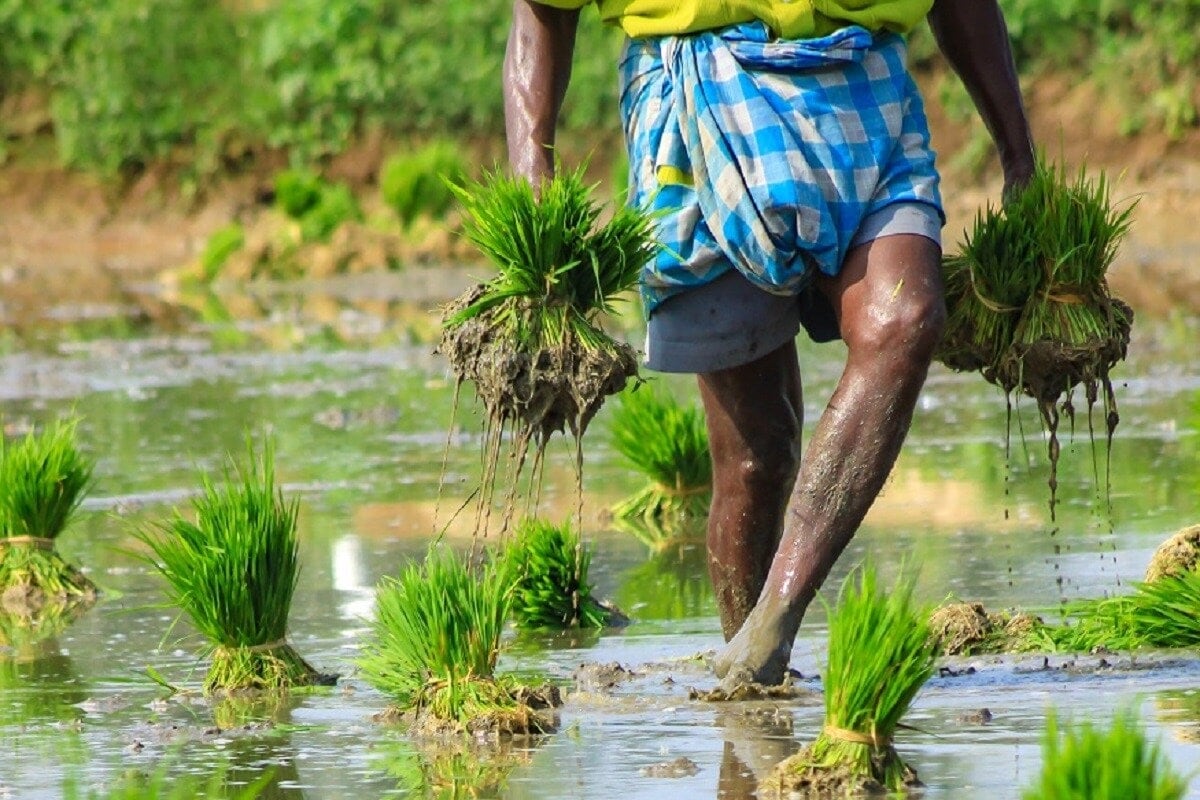
Agriculture has always been the backbone of India’s economy, but the sector continues to face challenges ranging from unpredictable weather to fragmented access to reliable information. For decades, farmers have relied on traditional wisdom, local networks, and occasional government advisories to make decisions about crops, soil, and markets.
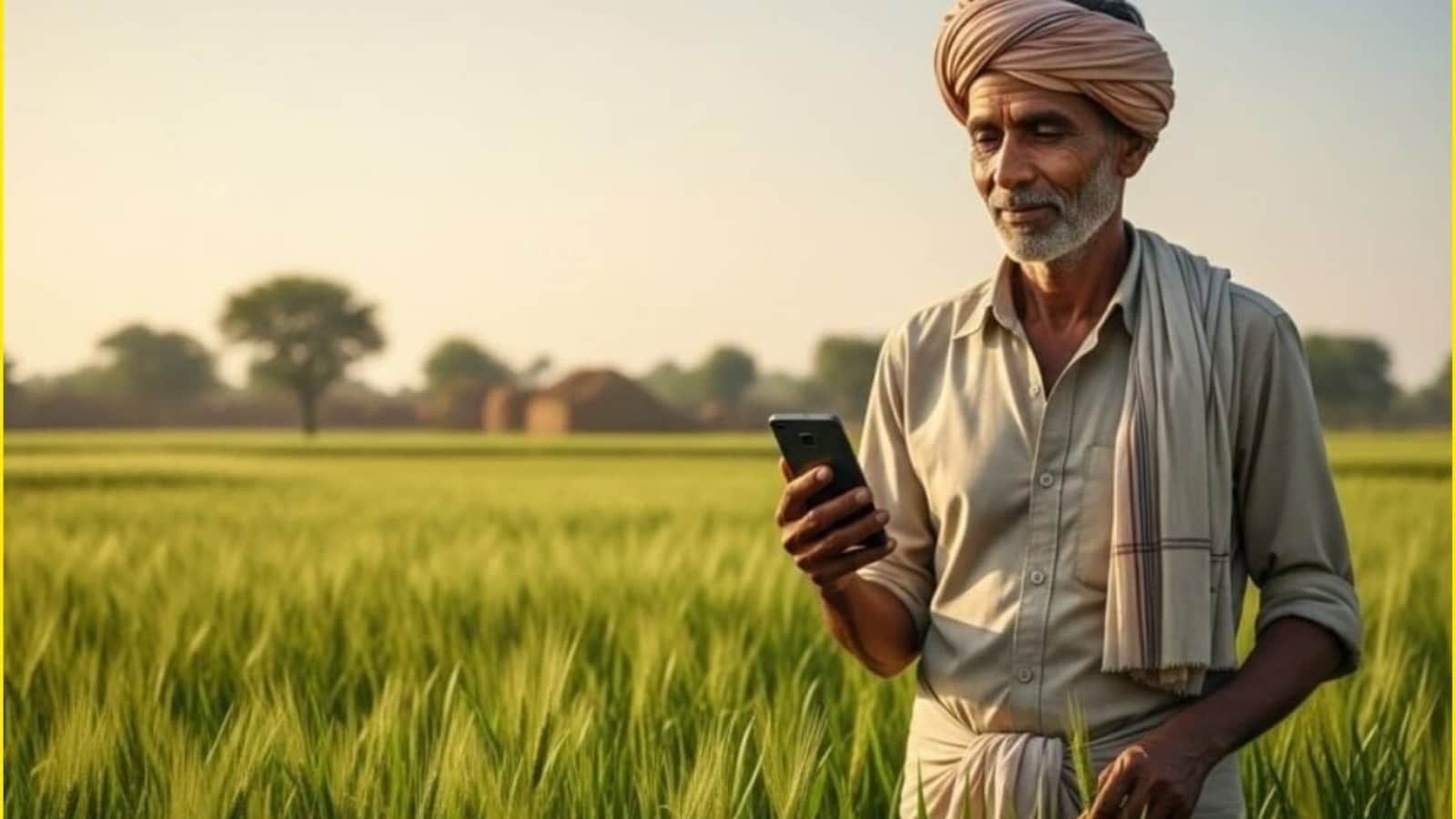
However, the rapid pace of climate change, rising input costs, and the need for higher productivity have made it clear that technology must play a central role in reshaping farming practices. Against this backdrop, the Union Budget 2026 introduced Bharat Vistar, a multilingual artificial intelligence platform that promises to transform how farmers access and use agricultural knowledge.
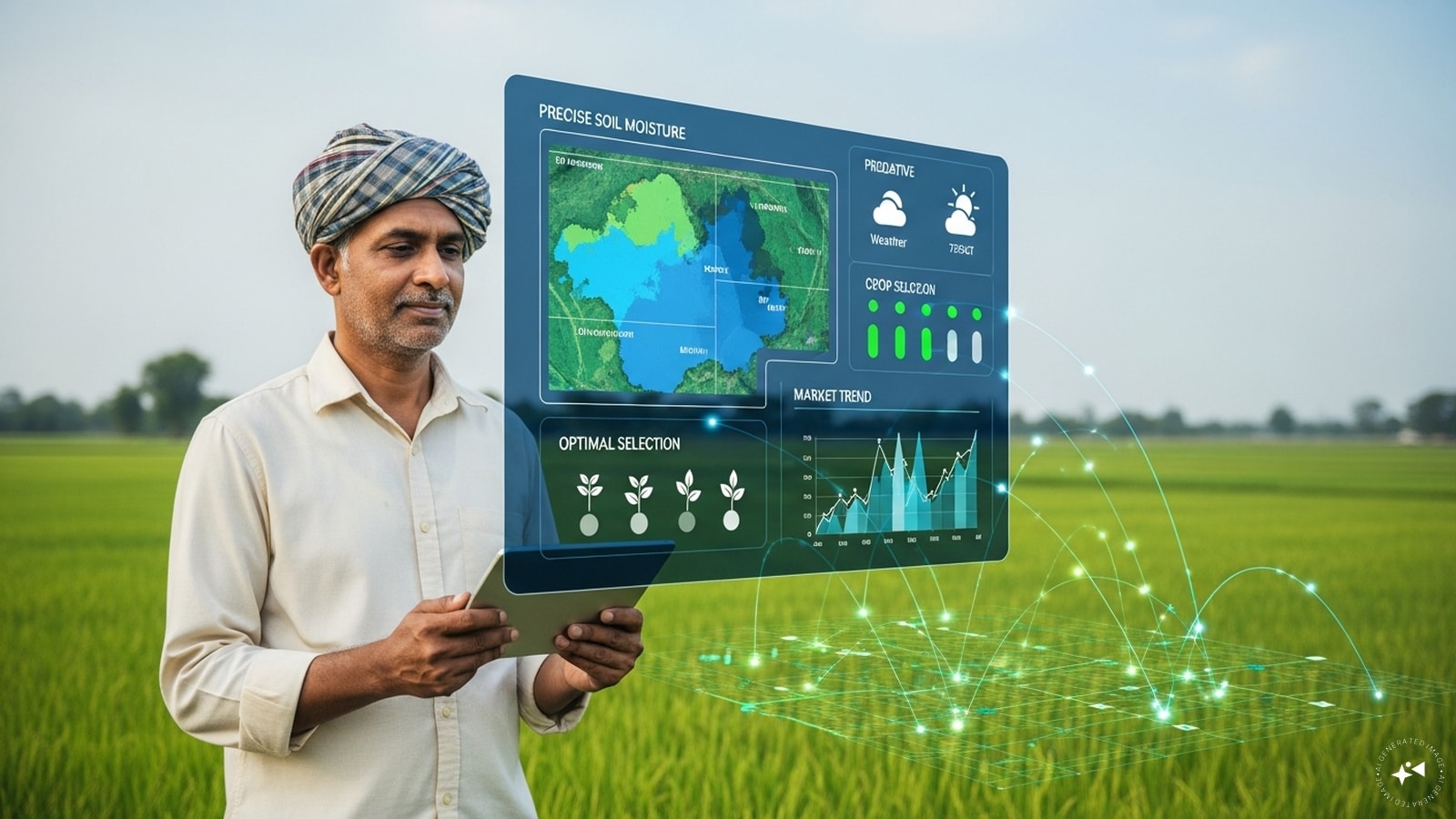
Bharat Vistar, short for Virtually Integrated System to Access Agricultural Resources, is envisioned as a digital ecosystem that integrates farmer data, soil records, and crop practices recommended by the Indian Council of Agricultural Research (ICAR). By combining these datasets with advanced AI algorithms, the platform will generate personalized advisories for farmers. These advisories will cover a wide range of areas including crop selection, soil health management, pest control, irrigation scheduling, weather forecasts, and even market trends. The goal is to ensure that farmers receive actionable insights in real time, in their own language, and tailored to their specific conditions.
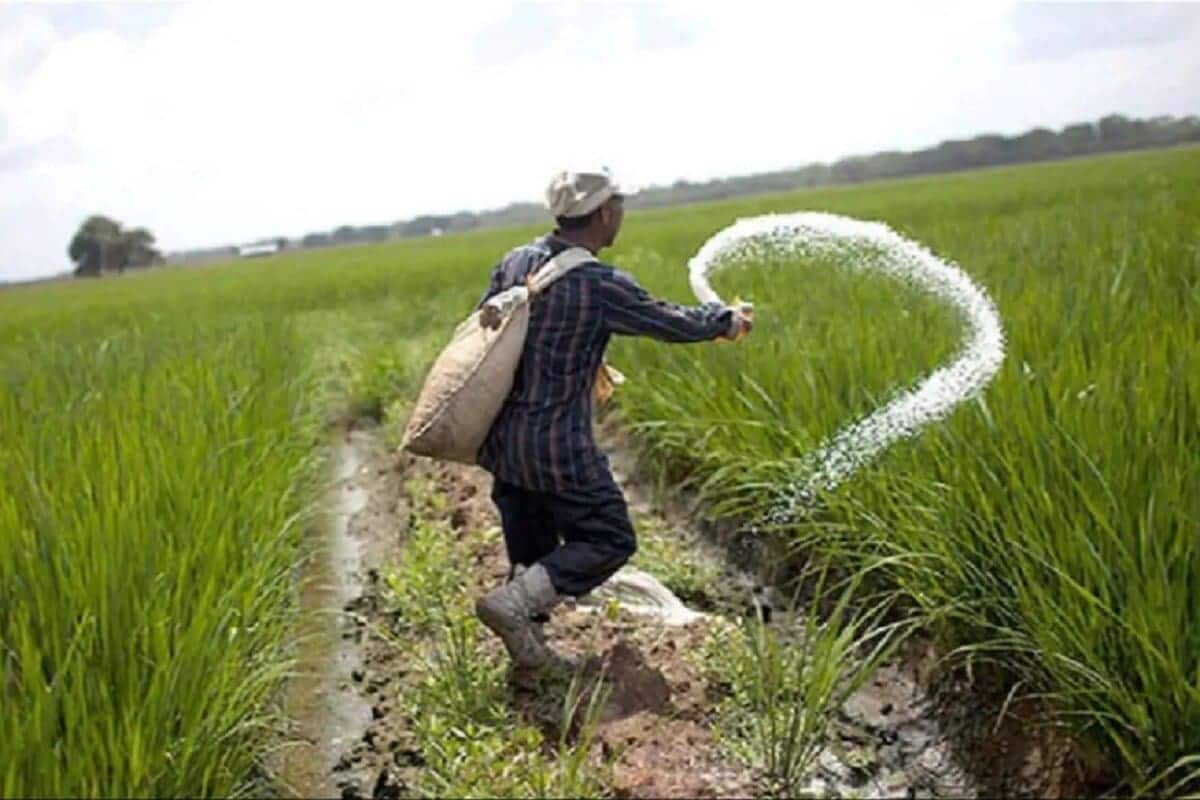
One of the most significant aspects of Bharat Vistar is its multilingual capability. India’s farming community is diverse, spread across states with distinct languages and dialects. A farmer in Tamil Nadu may not be able to interpret advisories issued in Hindi, while a cultivator in Punjab may prefer guidance in Punjabi. Bharat Vistar addresses this challenge by delivering information in multiple languages, ensuring inclusivity and accessibility. This feature alone has the potential to democratize agricultural knowledge, making it equally available to small and marginal farmers who often get left behind in the digital divide.
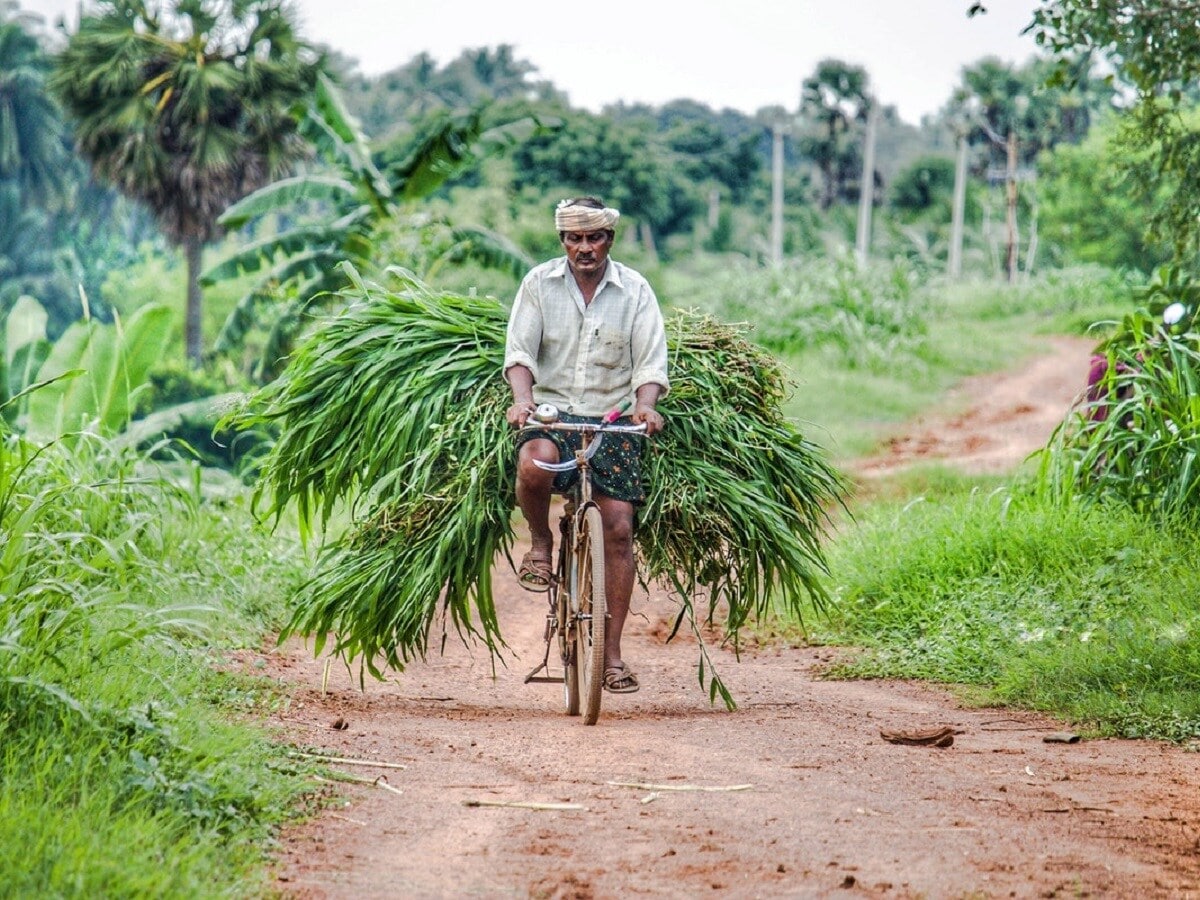
The platform is backed by a budgetary allocation of ₹150 crore, underscoring the government’s commitment to integrating technology into agriculture. This funding will support the development of AI models, integration with existing AgriStack portals, and the creation of user-friendly interfaces that farmers can access via smartphones or community centers. The emphasis is not just on building a tool but on creating a robust ecosystem where farmers, researchers, and policymakers can interact seamlessly.

For farmers, the practical benefits of Bharat Vistar could be immense. Imagine a smallholder in Maharashtra who is unsure whether to sow cotton or soybeans in a given season. By inputting basic details into the platform, he could receive AI-driven recommendations based on soil quality, rainfall predictions, and market demand. Similarly, a farmer in Bihar facing pest infestations could get immediate guidance on safe and effective remedies, reducing crop loss and financial stress. The platform’s ability to provide localized, timely advice could significantly reduce risks and improve yields, thereby enhancing rural livelihoods.
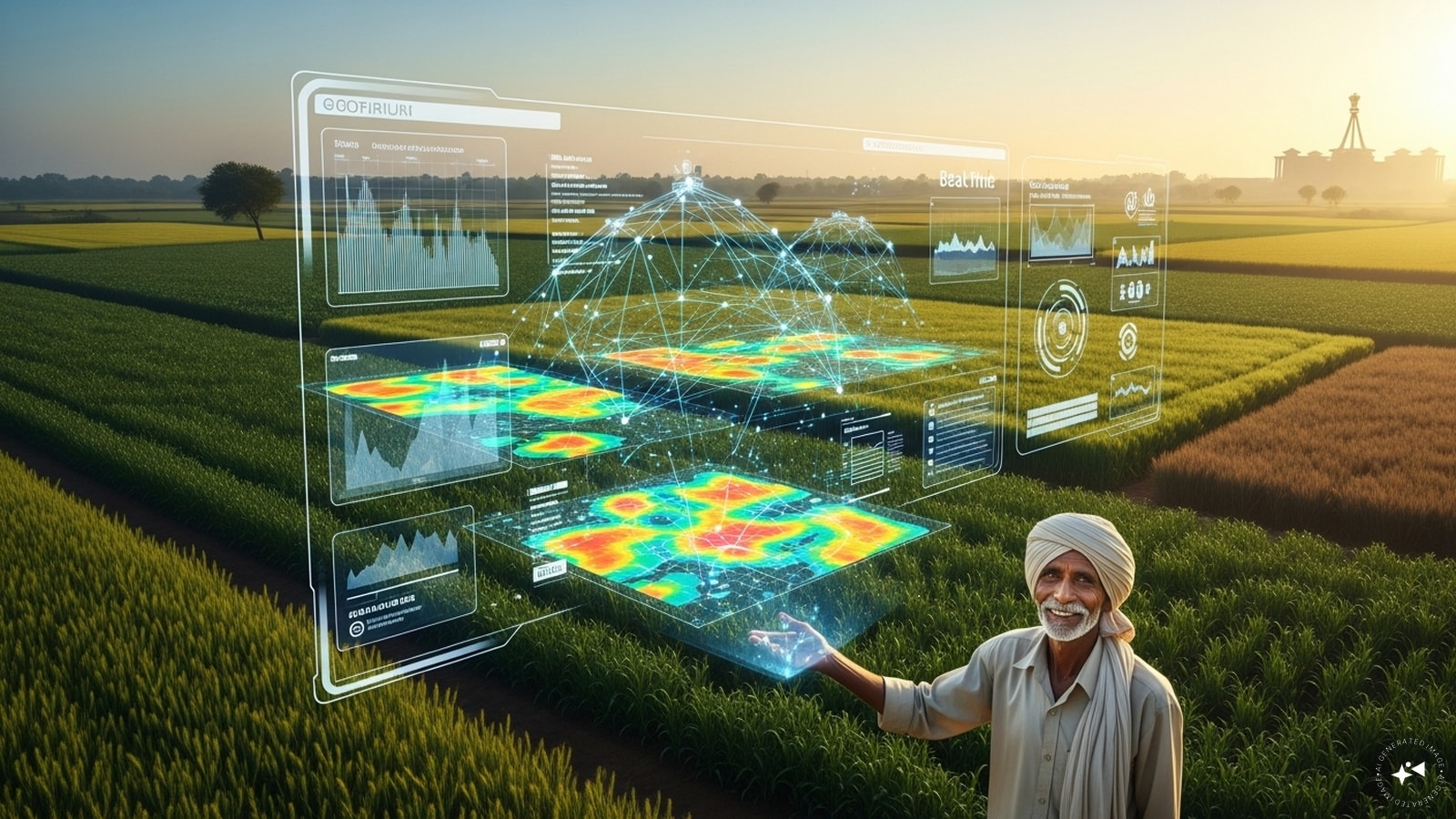
Beyond individual benefits, Bharat Vistar also has the potential to reshape agricultural policy. By aggregating anonymized data from millions of farmers, the government can gain deeper insights into cropping patterns, soil health trends, and regional challenges. This data-driven approach can inform better policy decisions, targeted subsidies, and more effective disaster management strategies. In the long run, Bharat Vistar could serve as a national agricultural intelligence system, aligning grassroots realities with macroeconomic planning.
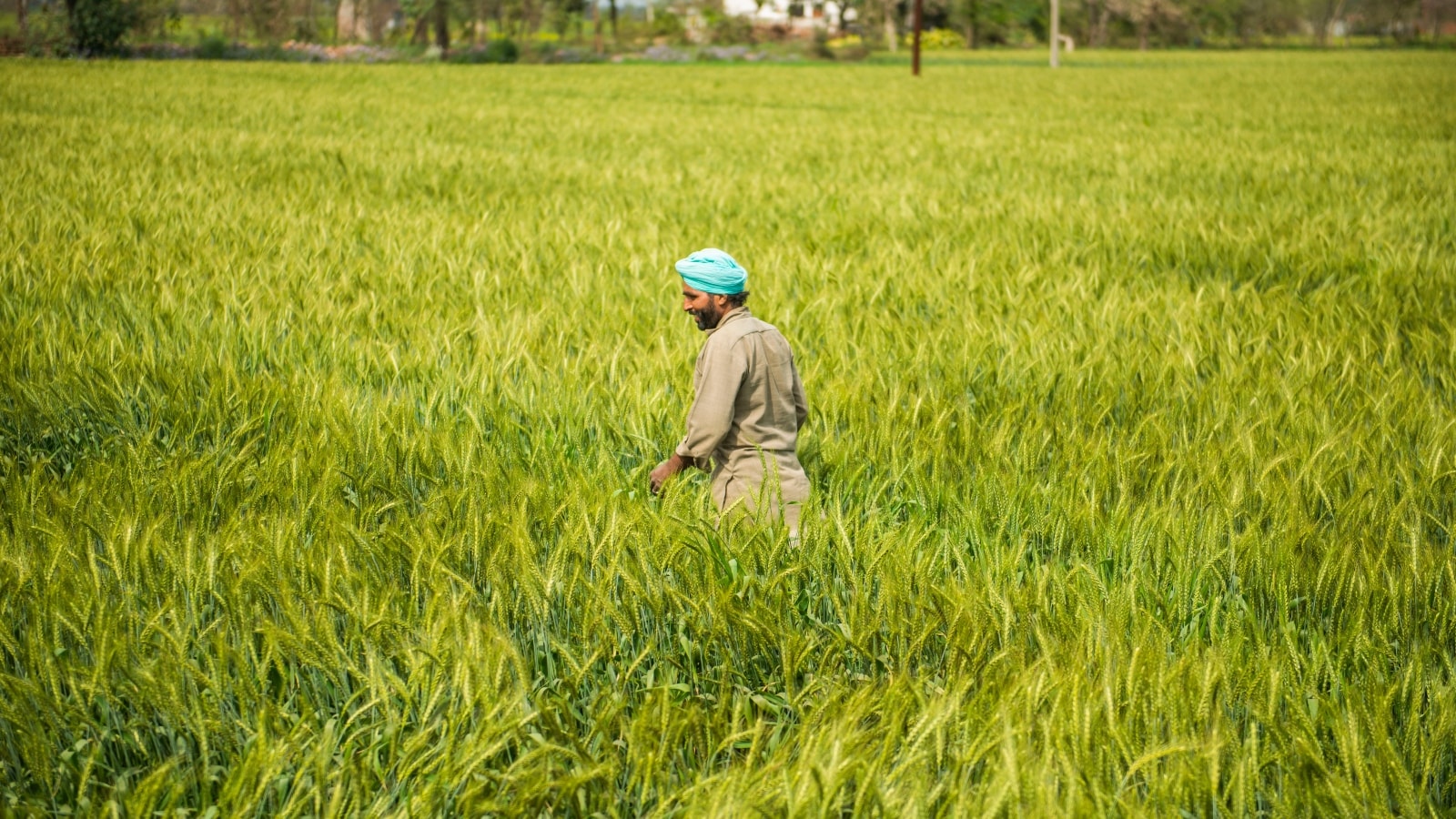
Of course, the success of Bharat Vistar will depend on its implementation. Challenges such as digital literacy, internet connectivity in rural areas, and trust in AI-driven recommendations must be addressed. Farmers need to feel confident that the advice they receive is reliable and beneficial. This will require extensive outreach, training programs, and collaboration with local agricultural extension officers. Moreover, the platform must remain adaptive, continuously updating its algorithms to reflect new research, changing climate conditions, and evolving market dynamics.
Follow News18 on Google. Join the fun, play games on News18. Stay updated with all the latest business news, including market trends, stock updates, tax, IPO, banking finance, real estate, savings and investments. To Get in-depth analysis, expert opinions, and real-time updates. Also Download the News18 App to stay updated.
News Photogallery business Bharat Vistar: What Is The AI Tool For Farmers Announced In Budget 2026?








 English (US) ·