

 1 hour ago
3
1 hour ago
3
ARTICLE AD BOX
Last Updated:April 06, 2026, 15:37 IST
Trump has issued a 48-hour deadline for Iran to reopen Strait of Hormuz and reach "peace deal". Superpowers have issued such threats 5 times in the past. What happened after that?


U.S. President Donald Trump (AFP Photo)
In the high-stakes world of “coercive diplomacy," superpowers often use the threat of force—ultimatums to “deal or be bombed"—to achieve political goals without full-scale war. The outcome of these ultimatums varies wildly, from historic diplomatic wins to devastating conflicts.
News18 looks at the recent US threat to Iran and what actually happened during some of the most famous “deal or bomb" moments.
US President Donald Trump’s recent threat to Iran
In recent developments, tensions have reached a critical “deal or bomb" threshold.
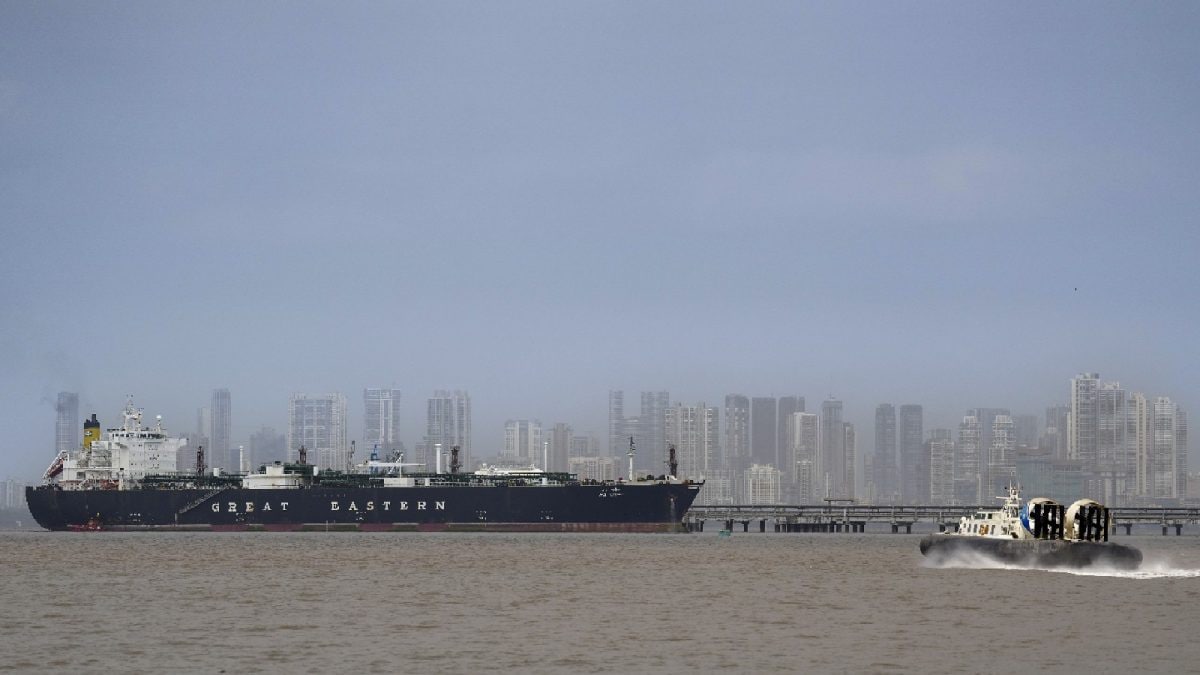
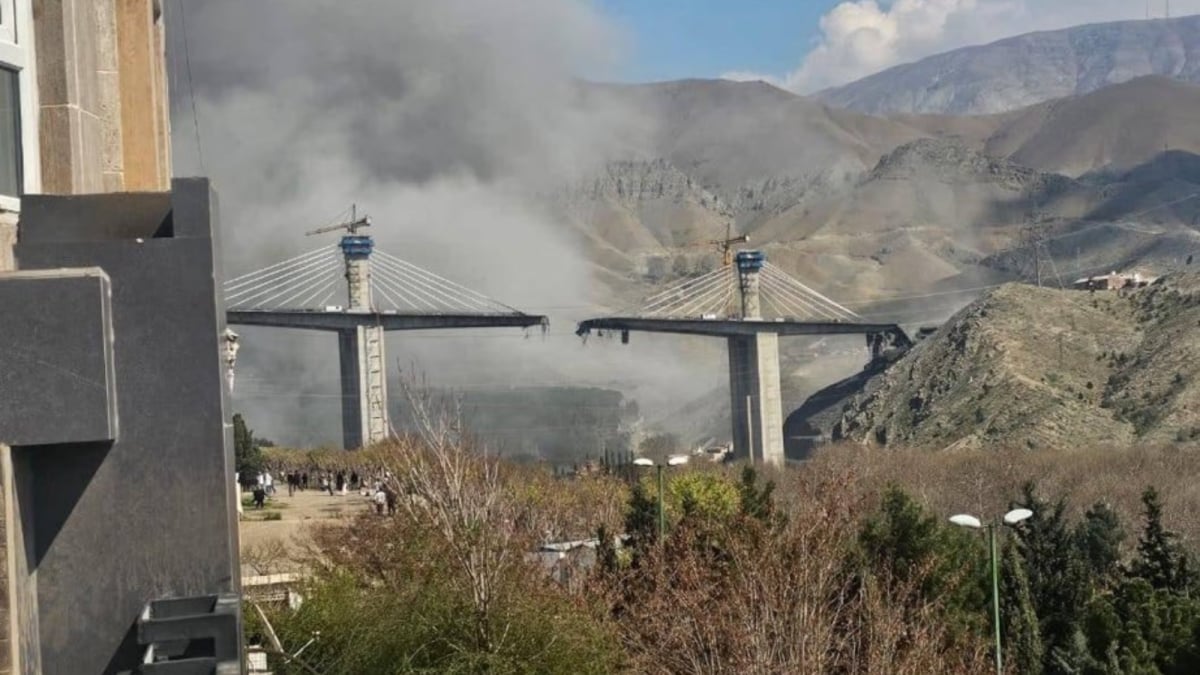
US President Donald Trump has issued a 48-hour deadline for Iran to reopen the Strait of Hormuz and reach a “peace deal" or face strikes on its entire infrastructure, including power plants and bridges.
Tehran rejected the ultimatum as “helpless and nervous". Reports indicate that U.S. and Israeli forces have already begun strikes on Iranian nuclear, petrochemical, and civilian infrastructure, while Iran has retaliated against regional targets.
5 times superpowers gave such threats and what actually happened on ground
The Potsdam Declaration (1945)
The US, UK, and China issued a final demand for Japan’s unconditional surrender, warning of “prompt and utter destruction".
What Actually Happened: Japan initially ignored the declaration. The U.S. then dropped atomic bombs on Hiroshima and Nagasaki, leading to Japan’s formal surrender shortly after.
The Cuban Missile Crisis (1962)
This is widely considered the “gold standard" of successful coercive diplomacy. US President John F Kennedy ordered a naval blockade (a “quarantine") around Cuba and demanded the Soviet Union remove its nuclear missiles or face direct military action.
What Actually Happened: A deal was reached. Soviet leader Nikita Khrushchev agreed to dismantle the missiles in exchange for a public U.S. pledge never to invade Cuba and a secret agreement to remove US missiles from Turkey.
The Balkans (1995 & 1999)
NATO issued ultimatums to Serbian leaders, backed by the threat of air strikes, to end ethnic cleansing and military operations in Bosnia and later Kosovo.
What Actually Happened: In 1995, after a limited bombing campaign (Operation Deliberate Force), Serbian leaders agreed to the Dayton Peace Accords. In 1999, it took a 78-day bombing campaign (Operation Allied Force) before Slobodan Milošević finally accepted a peace plan.
Russia’s Ultimatum to NATO (2021–2022)
Russia issued a list of demands, including a permanent ban on Ukraine joining NATO and the removal of NATO troops from Eastern Europe, backed by a massive military buildup.
What Actually Happened: NATO and the US rejected the core demands, offering transparency mechanisms instead. Russia dismissed these counter-proposals as non-constructive and launched a full-scale invasion of Ukraine in February 2022.
KEY FAQs
What does “Deal or we bomb you" refer to historically?
Cuban Missile Crisis and Gulf War.
Which leaders used such coercive threats?
John F Kennedy, George HW Bush, Saddam Hussein
What was the outcome of such threats?
De-escalation through negotiation (Cuba). Military intervention when diplomacy failed (Iraq).
With agency inputs
First Published:
April 06, 2026, 15:36 IST
News explainers ‘Deal Or We Bomb You’: The World Has Heard This Threat 5 Times, Here’s What Actually Happened Next
Disclaimer: Comments reflect users’ views, not News18’s. Please keep discussions respectful and constructive. Abusive, defamatory, or illegal comments will be removed. News18 may disable any comment at its discretion. By posting, you agree to our Terms of Use and Privacy Policy.
Read More




 English (US) ·