

 1 hour ago
5
1 hour ago
5
ARTICLE AD BOX
Last Updated:April 19, 2026, 13:46 IST
Mohammad-Bagher Ghalibaf warned that if the United States did not lift the blockade, traffic in the Strait of Hormuz would certainly be restricted.


Iran Parliament Speaker Mohammad Bagher Ghalibaf (Image: IRNA news agency)
Iran’s civilian government has begun to change its tone. In the middle of this shift stands Speaker Mohammad-Bagher Ghalibaf, the new public face for the Islamic Revolutionary Guard Corps (IRGC) command’s recent announcement.
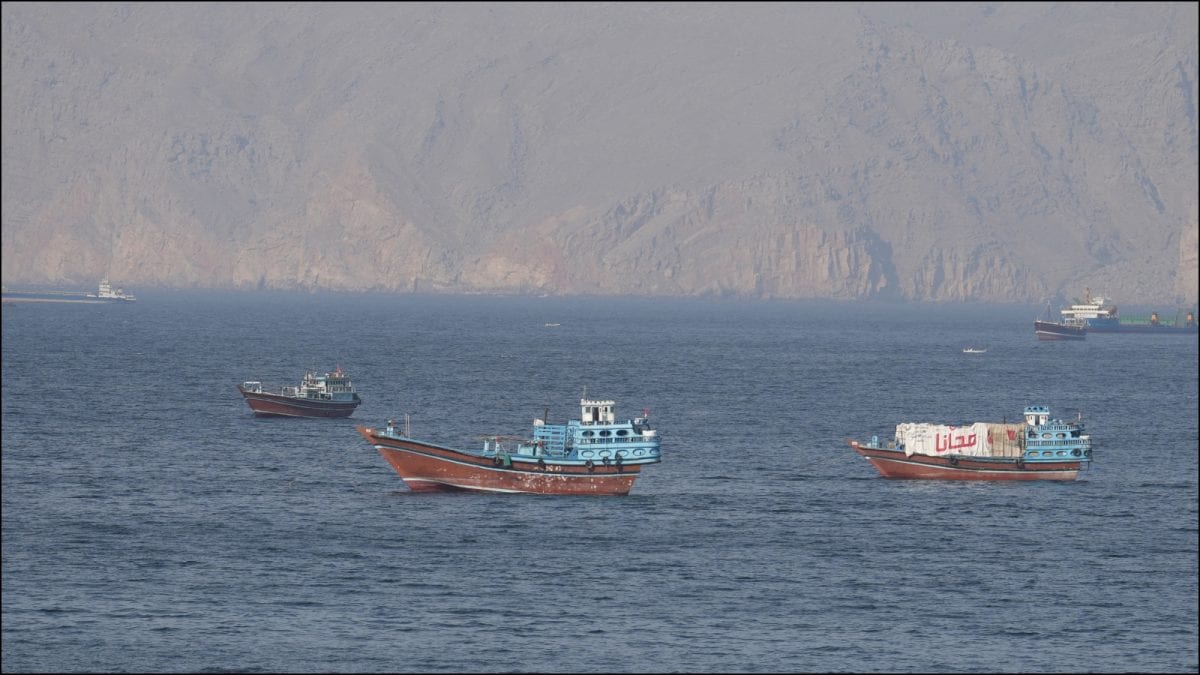
So far, the IRGC had spoken in terse, faceless directives. But Ghalibaf stepped forward and declared, almost defiantly, that if there was any traffic in the Strait today, it was under their control. He warned that if the United States did not lift the blockade, traffic in the Strait of Hormuz would certainly be restricted.
Ghalibaf’s message: What intel sources say
Only a day earlier, the situation had looked far more fractured. CNN-News18 had reported that the IRGC and the political leadership were not on the same page.
IRGC officials had bluntly stated that they did not accept the tweets of their politicians. Top intelligence sources spoke of a shift from a purely military directive to a political narrative and leadership assertion, but the split seemed real. The IRGC’s own declaration framed control of Hormuz in strictly operational, institutional terms: an impersonal statement of power with no human face, they said.
Against this backdrop, Ghalibaf’s words appeared as something more than a simple statement. His message was, in essence, the IRGC’s mandate, clarified and repackaged, as they refused to accept any negotiation. He insisted that the waterway had returned to its previous state under strict management and control of the armed forces. From now on, all traffic would require IRGC Navy coordination and approval.
Yet Ghalibaf did not speak like a commander issuing orders from a bunker. He began with, “Dear people of Iran," addressing the nation directly, placing himself at the centre of the unfolding drama, with a particular eye on Islamabad. He offered a narrative: Iran had advanced to the brink of confrontation, but the enemy had backed down. The substance did not change—Iranian dominance, readiness to restrict traffic, unyielding control—but the delivery did. What had been a faceless directive was now polished, personal, conditional, and nationally unifying, said sources.
In this carefully crafted story, the earlier reports of a tussle between the IRGC and the civil government began to blur. The new tone clearly suggested that the military and political leadership were now on the same page, or at least determined to appear so, said reports.
Doubts persist
After the first wave of reports about internal friction, unconfirmed whispers spread that Pakistan Army chief Asim Munir had left for Washington.
CNN-News18 had also reported that IRGC Navy Commander Vahidi was not ready to accept Ghalibaf’s tweet and that ships were turned in Hormuz.
Behind the public narrative of unity and control, however, the currents of doubt continued to swirl beneath the surface of the Strait, as tightly managed and contested as the waters themselves, said sources.
Handpicked stories, in your inbox
A newsletter with the best of our journalism
First Published:
April 19, 2026, 13:45 IST
News world ‘Dear People of Iran’: Decoding IRGC’s New Face Ghalibaf’s Message On Hormuz | Exclusive
Disclaimer: Comments reflect users’ views, not News18’s. Please keep discussions respectful and constructive. Abusive, defamatory, or illegal comments will be removed. News18 may disable any comment at its discretion. By posting, you agree to our Terms of Use and Privacy Policy.
Read More



 English (US) ·