

 1 hour ago
4
1 hour ago
4
ARTICLE AD BOX
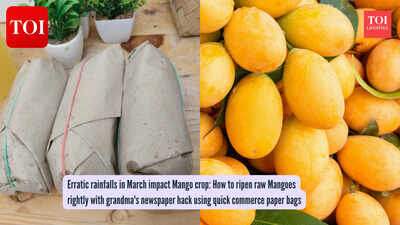
India's mango season faces challenges due to erratic weather, impacting crops. To enjoy the prized fruit, a traditional method of storing semi-ripened mangoes in paper bags is recommended. This technique, passed down through generations, ensures even ripening by balancing ethylene gas release and air circulation, preventing spoilage and mold.
Summer's mango frenzy hits hard, especially for those mango lovers who wait all year round for the juicy king of fruits, in the form of those golden treasures arriving in heaps.This year, unusual rains and unpredictable weather in India throughout March have badly hit mango crops, leading to early fruit drop and making them prone to more fungal infections.While mango trees need water in their early fruiting stage, unexpected rains during the key flowering period have interfered with pollination.But to cater to the yield of the upcoming mango season, and relish the orangish- yellow treats, the mangoes need to be stored and taken care of properly.Recently, we've all been there, grabbing bulk orders from quick commerce apps, and those giant brown paper bags seem to have taken a permanent seat in our homes.
But how to put them to use?
Use them to store mangoes!
Mangoes naturally release ethylene gas while ripening, which accelerates the process, especially in summer's heat and humidity that traps moisture and leads to mold growth.Paper bags provide the perfect balance; they retain just enough gas for even ripening while allowing air circulation, avoiding the dampness problems of sealed plastic bags.
Method passed down through generations
This approach is not new; people have passed it down through generations from when they used to get a bulk of semi-ripened mangoes from their orchards. Then these were wrapped in newspapers and stored in large baskets in dry, lightly lit places away from the sun. This process, known as ‘paal ka aam,’ helped them ripen correctly without spoiling.
How to use this storage technique correctly for mangoes
- Ripening raw ones: Place green mangoes in a paper bag, fold loosely, and park at room temp away from the sun. Even ripening happens naturally, and the paper helps avoid the soggy mess like the one caused by plastic.
- Near-ripe yellows: For half-ready fruits, use a loose bag in a cooler kitchen corner. Airflow slows, softening just right.
- Humidity busters: Line the bad with tissue first to soak extra dampness; this is especially important in muggy monsoons or sweaty summers.
- Bulk buys: Isolate over-ripened mangoes in solo bags to avoid ethylene spread, keeping the batch in sync.
Common mistakes to keep in mind
Don't tape bags tightly, as it is necessary to make an air flow to help fruits breathe. Skip cramming too many fruits. Steer clear of ovens, windows, or greasy bags. These keep your mangoes prime longer.







 English (US) ·