

 1 week ago
4
1 week ago
4
ARTICLE AD BOX
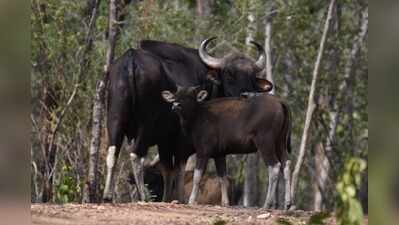
Bhubaneswar: With Chandaka wildlife sanctuary having a lot of anthropogenic pressure, particularly due to the presence of cattle, the wildlife wing of the forest department has put on hold the ambitious Indian gaur (bison) translocation programme.“Presence of cattle population close to wildlife poses danger of infection and diseases being transmitted to wildlife. Indian gaur was planned to be brought mostly from Debrigarh wildlife sanctuary, which is known as the land of gaur. Since Chandaka, located on the outskirts of Bhubaneswar, is surrounded by human habitation and witnesses cattle movement, there is high chance of anthropogenic pressure,” wildlife officials said.“Introduction of Indian gaur in Chandaka is a bit tricky since there is chance of anthropogenic pressure. If we cannot ensure safety of animals after translocation, there is no point bringing them from a safe habitat to a vulnerable one,” said PCCF (wildlife) Prem Kumar Jha.Indian bison, or gaurs, are prime prey for carnivores in any habitat. They are particularly favoured by big cats such as Royal Bengal Tigers and leopards.
Mostly found in the central Indian landscape and a few other parts of India, summer marks the breeding season for the Indian bison. An adult gaur weighs up to 1,500 kg, officials said.Wildlife officials said Chandaka, spread over a 193 sq km area, has exciting tourist spots at Kuasara, Kochilaberena, Baunsberena, Pitagadia, Kumarakhunt, Pithakhia, and 12 others. Any animal, once released breeds and their population increases very fast.Earlier, wildlife officials decided to introduce around 10 gaurs in the sanctuary under species recovery programme. Another objective was to offer exciting sights for tourists during the trail. But because of likely anthropogenic pressure, the programme is put on hold.In Debrigarh, the bison survive because there is no anthropogenic pressure with the sanctuary that has been freed from human habitation with all villages being relocated. Once there is human habitation, there is obvious chance of cattle population growth, officials said.






 English (US) ·