

 59 minutes ago
3
59 minutes ago
3
ARTICLE AD BOX
Last Updated:May 22, 2026, 10:01 IST
Scientists warn that Banda is slowly transforming into an open-air furnace with little natural cooling left.


The IMD has issued a severe heatwave red alert for Uttar Pradesh for the next three days
Uttar Pradesh and large parts of north India continued to reel under an intense heatwave on Thursday, with Bundelkhand’s Banda district remaining the hottest place in the country for the fourth consecutive day. According to the India Meteorological Department (IMD), Banda recorded a maximum temperature of 48.2 degrees Celsius, as severe heatwave conditions tightened their grip across the state. Scientists warn that Banda is slowly transforming into an open-air furnace with little natural cooling left.
Read More: Banda Feels The Heat: Why UP City Has Become One Of The Hottest Places On Earth
The district has consistently topped India’s temperature charts over the past week, with mercury levels remaining above 45 degrees Celsius for several days. Weather officials and environmental experts say the extreme heat is being driven not only by climatic conditions but also by long-term ecological degradation in the Bundelkhand region.
The IMD has issued a severe heatwave red alert for Uttar Pradesh for the next three days, which will later be followed by an orange alert. A warning for unusually “warm nights" has also been issued, indicating that temperatures are likely to remain abnormally high even after sunset, offering little respite to residents.
According to meteorologists, the present weather pattern is being intensified by hot and dry westerly winds blowing from the Thar Desert across southern Uttar Pradesh. At the same time, moisture-laden easterly winds entering northern parts of the state due to the influence of a trough extending towards Manipur have increased humidity levels, worsening discomfort.
The meteorological centre in Lucknow said dry weather conditions and strong surface winds are expected to continue across the state over the coming days. Heatwave conditions are likely to persist in western Uttar Pradesh till May 25, while eastern districts may witness heatwave to severe heatwave conditions along with warm nights at isolated places.
In Banda, residents struggled to cope with the relentless heat. Many were seen gathering around roadside stalls to drink water and sherbet in an an attempt to stay hydrated as scorching winds swept through the district during the afternoon. Streets remained largely deserted during peak daytime hours as people avoided stepping outdoors unless absolutely necessary.
“We cannot stop the heat, but at least we can help people survive it," said Rajesh Gupta, a shopkeeper who has been distributing cold drinking water near a busy crossing in Banda city since morning. “By afternoon, people look exhausted and dehydrated. Many stop here just to sit in shade for a few minutes," he added.
At another roadside stall, volunteers were seen serving free sherbet to commuters. “The roads become almost empty after noon because the heat feels unbearable. We decided to arrange water and drinks for people who are forced to travel during the day," said local resident Neeraj Vishwakarma.
Meteorologists say Banda’s geographical and environmental conditions have made it particularly vulnerable to extreme heat. The district lies close to the Tropic of Cancer, resulting in intense and direct solar radiation during summer months. Combined with clear skies, plateau terrain, rocky surfaces and low soil moisture, temperatures rise rapidly during the day and remain elevated even at night.
Dr Dinesh Kumar, a meteorologist, said multiple factors are contributing to the district’s recurring heat extremes. “Key reasons include direct sunlight due to proximity to the Tropic of Cancer, clear skies, plateau terrain with low soil moisture, drying rivers, deforestation and mining," he explained.
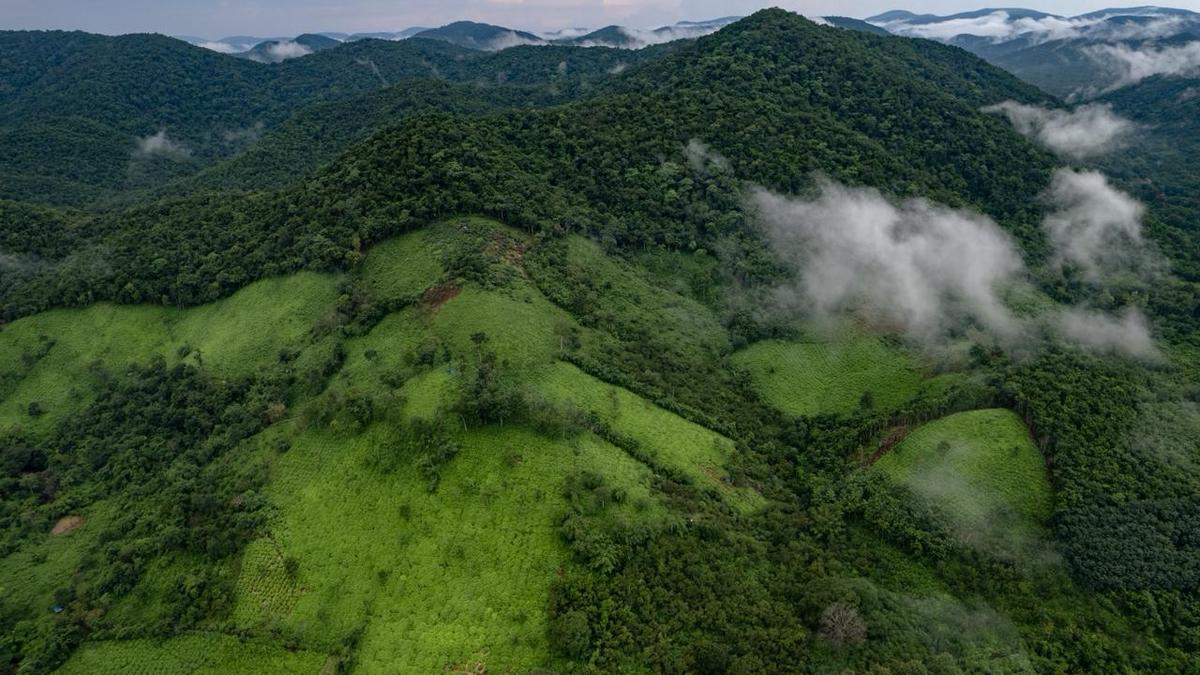
Scientists say Banda is gradually turning into a “heat island", where ecological damage is amplifying the impact of climate change. The region’s sparse green cover, falling groundwater levels and excessive sand mining in rivers such as the Ken have weakened natural cooling mechanisms that once helped moderate temperatures.
“Scientists warn that Banda is slowly transforming into an open-air furnace with little natural cooling left," said Prof Dhruv Sen Singh from the geology department of Lucknow University. He said, the shrinking green cover, depleted groundwater, excessive sand mining and rocky terrain are together trapping heat in the region. Even nights are no longer cooling down the way they used to.
Environmental experts point out that large-scale sand extraction has reduced the water retention capacity of riverbeds and exposed rocky surfaces that absorb and radiate heat more intensely. At the same time, shrinking vegetation and tree cover have reduced moisture levels in the atmosphere, further intensifying heatwave conditions.
They said that the rocky terrain of Bundelkhand absorbs heat quickly during the day and releases it slowly after sunset, causing persistently high night temperatures. This phenomenon, combined with hot desert winds from Rajasthan, has created what scientists describe as a “vicious cycle of heat" across the region.
However, there seems no respite for Banda and other parts of UP in the near future as the IMD has forecasted that maximum temperature is likely to remain between 44 and 48 degrees Celsius over the next few days.
Handpicked stories, in your inbox
A newsletter with the best of our journalism
News india Heatwave Hell In UP: Banda Emerges India’s Hottest City For Fourth Straight Day
Disclaimer: Comments reflect users’ views, not News18’s. Please keep discussions respectful and constructive. Abusive, defamatory, or illegal comments will be removed. News18 may disable any comment at its discretion. By posting, you agree to our Terms of Use and Privacy Policy.
Read More






 English (US) ·