

 1 week ago
13
1 week ago
13
ARTICLE AD BOX
Last Updated:February 13, 2026, 09:13 IST
India’s highways collected around Rs 2.27 lakh crore in five years. Which toll plazas top the list, and who comes second? Find out here
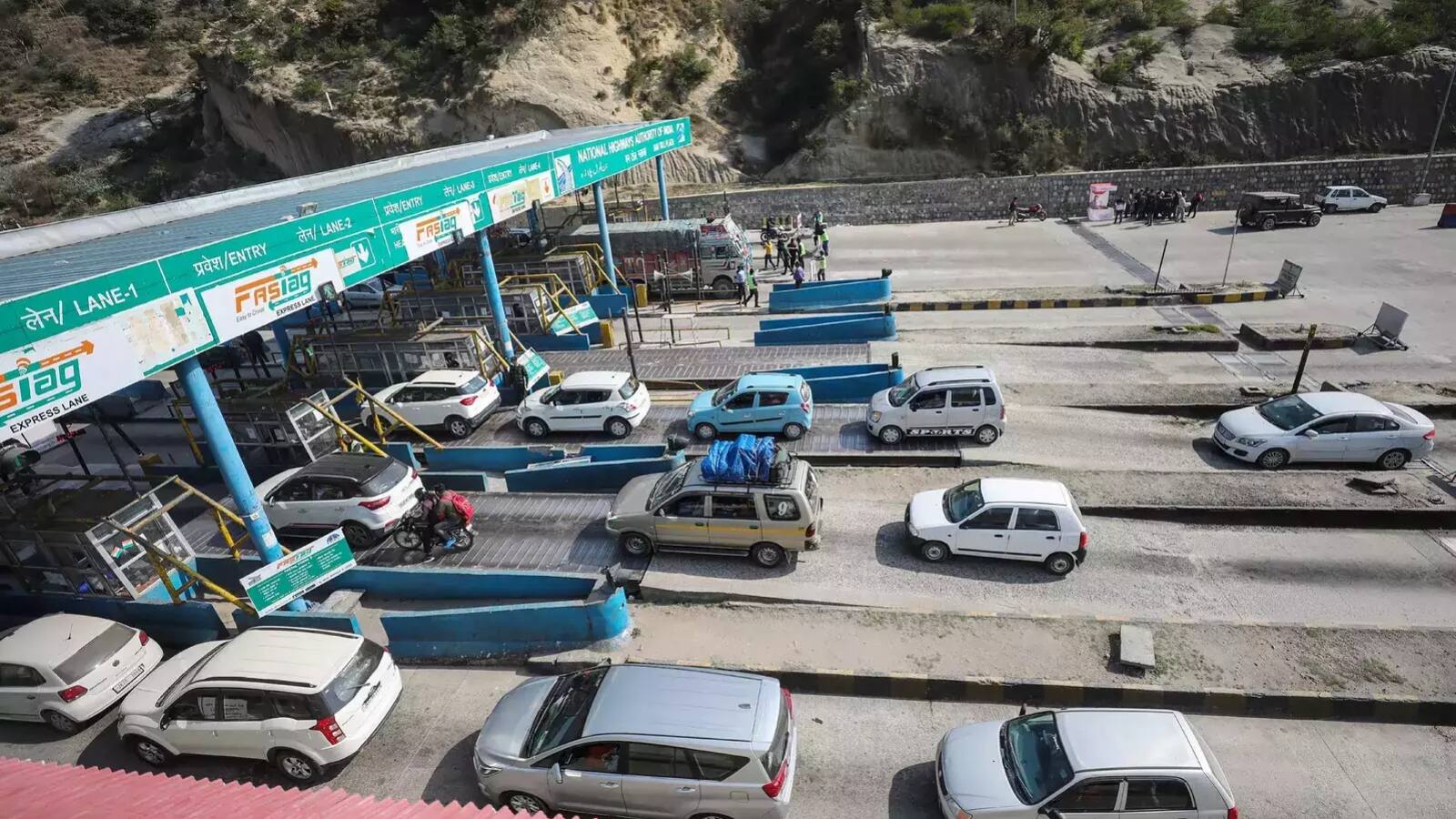
In India, total toll collections on national highways and expressways over the last five financial years (2020-21 to 2024-25) have amounted to approximately Rs 2.27 lakh crore. This figure was disclosed by the Ministry of Road Transport and Highways (MoRTH) in the Rajya Sabha on 11 February 2026. Some toll plazas in the country collect the most. Which plaza tops the list, and how much has it collected? Who comes second? We present all the details here.
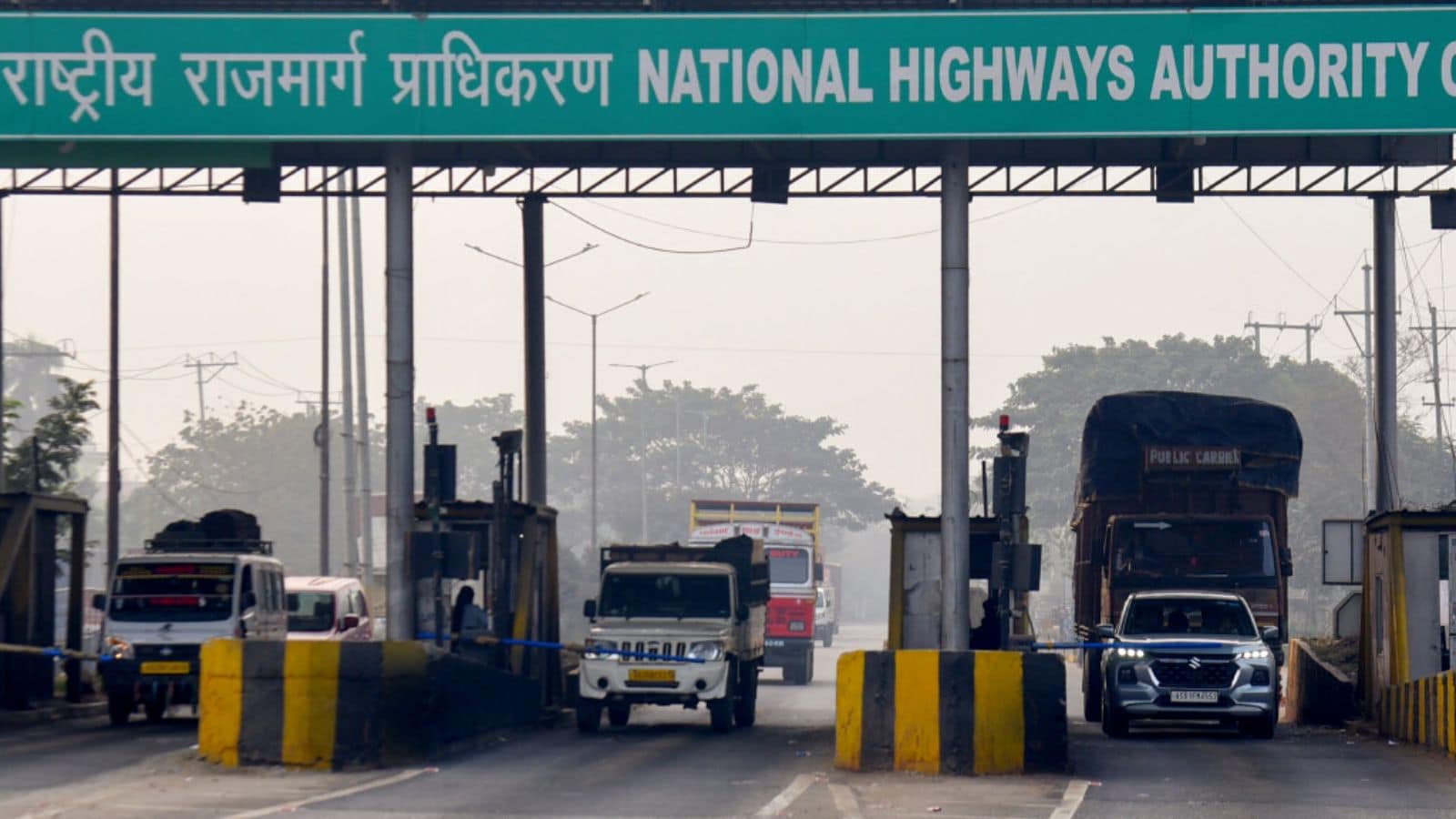
While this total toll collection figure is entirely new, the most recent detailed breakdown of the top toll plazas is available only for the five years from 2019-20 to 2023-24. This data was also shared by MoRTH in the Lok Sabha in March 2025, at which point total toll collections stood at Rs 1.93 lakh crore. For 2024-25, an updated list of individual top-performing plazas has yet to be released publicly by MoRTH or NHAI. The information provided here is compiled from various government sources.
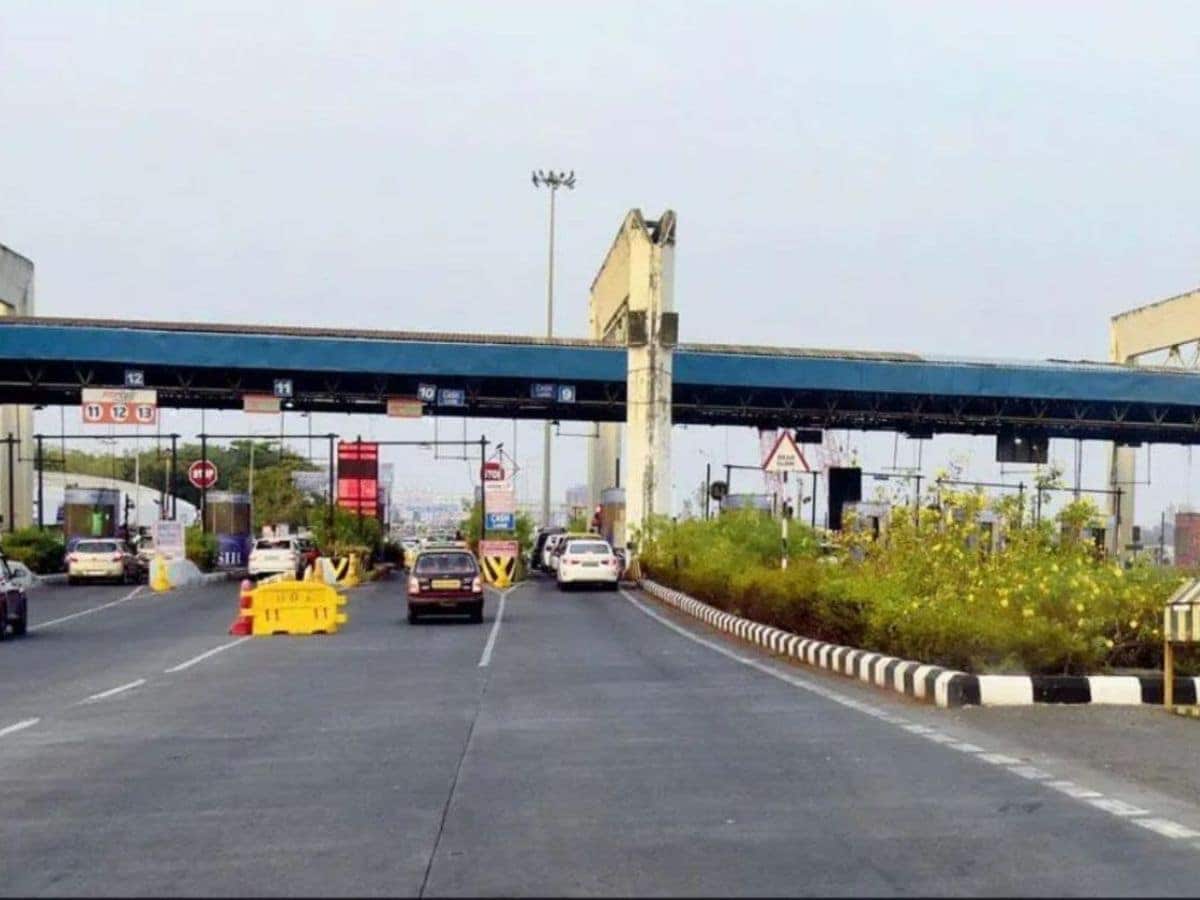
Bharthana Toll Plaza, situated in Gujarat on National Highway 48 along the Vadodara-Bharuch stretch, is India’s highest-earning toll plaza. It collected a total of Rs 2,043.81 crore from 2019-20 to 2023-24, including Rs 472.65 crore in 2023-24 alone. The high collection is largely due to heavy traffic, with over 10 million vehicles passing through annually, predominantly commercial trucks and freight vehicles. This route connects Gujarat’s manufacturing hubs to ports such as Kandla and Mundra, making it a vital industrial corridor and a busy segment of the Delhi-Mumbai highway.
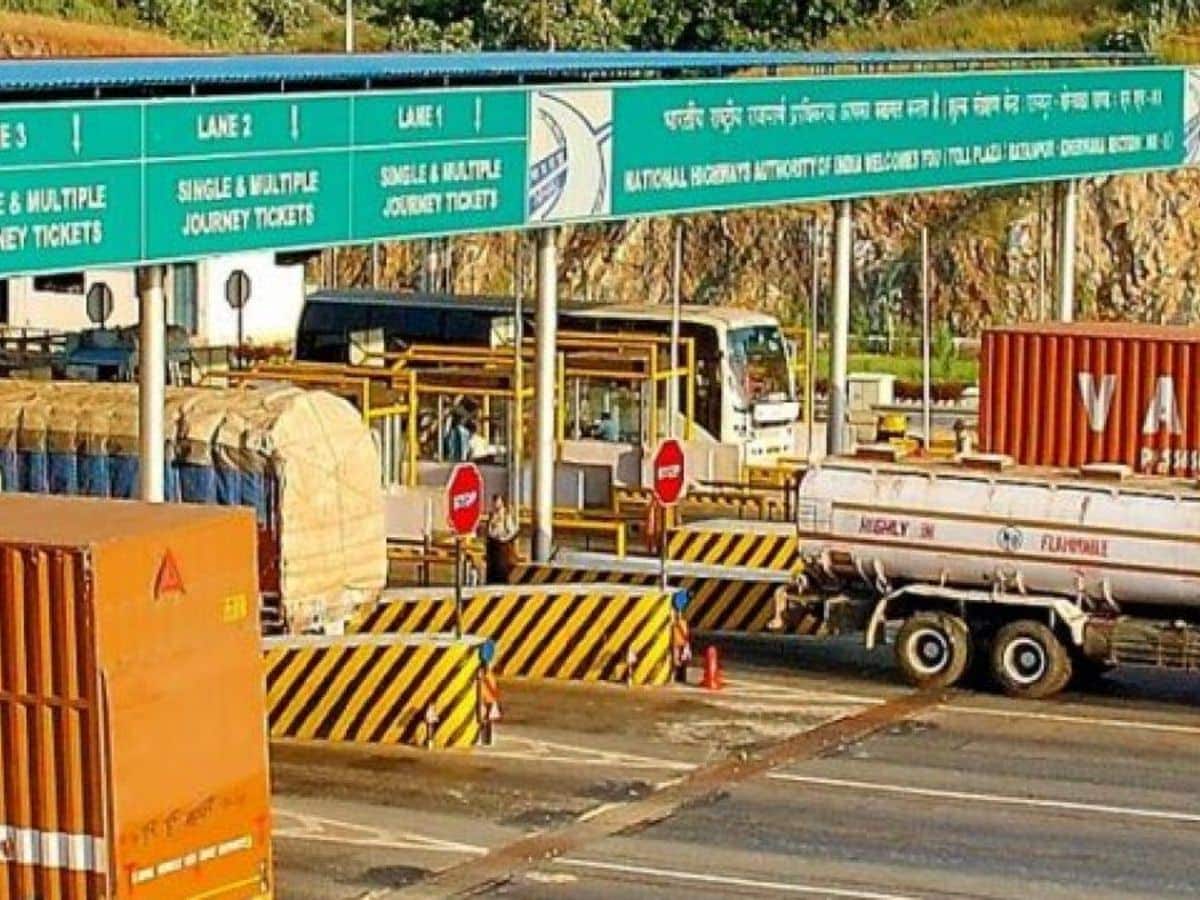
Shahjahanpur Toll Plaza in Rajasthan, on the Gurgaon-Kotputli-Jaipur stretch of NH-48, ranks second, collecting Rs 1,884.46 crore over the five-year period. Its strategic location linking Delhi NCR to Jaipur and onwards to Mumbai generates heavy daily traffic from commuters, tourists, and commercial vehicles. As part of the Delhi-Jaipur highway, it draws both commercial and tourist traffic. Rajasthan’s economic growth and infrastructure development have further increased traffic volumes, though seasonal congestion and maintenance can cause delays. The plaza is also included in pilot projects for barrier-free tolling, which will streamline collections in the future.
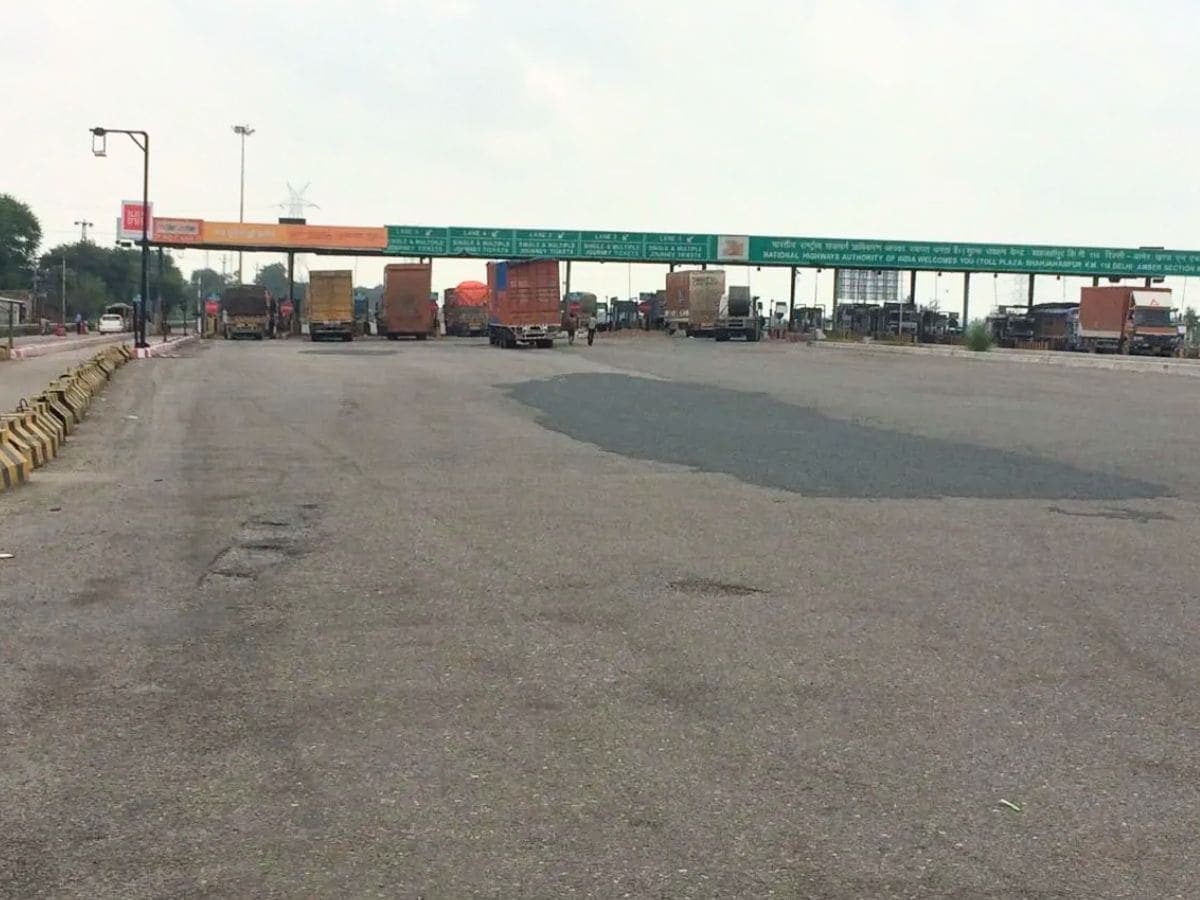
Jaladhulagori Toll Plaza, on the Dhankuni-Kharagpur stretch of NH-16 in West Bengal, ranks third, with collections of Rs 1,538.91 crore from 2019-20 to 2023-24. Its high earnings are attributed to substantial traffic connecting Kolkata to Chennai and other eastern states, mainly trucks, buses, and cargo vehicles. Proximity to Howrah facilitates freight movement from ports like Haldia and Kolkata, supporting industrial and commercial activity. This section forms part of the East Coast Highway, where seasonal traffic and construction can cause congestion, but FASTag has improved collection efficiency.
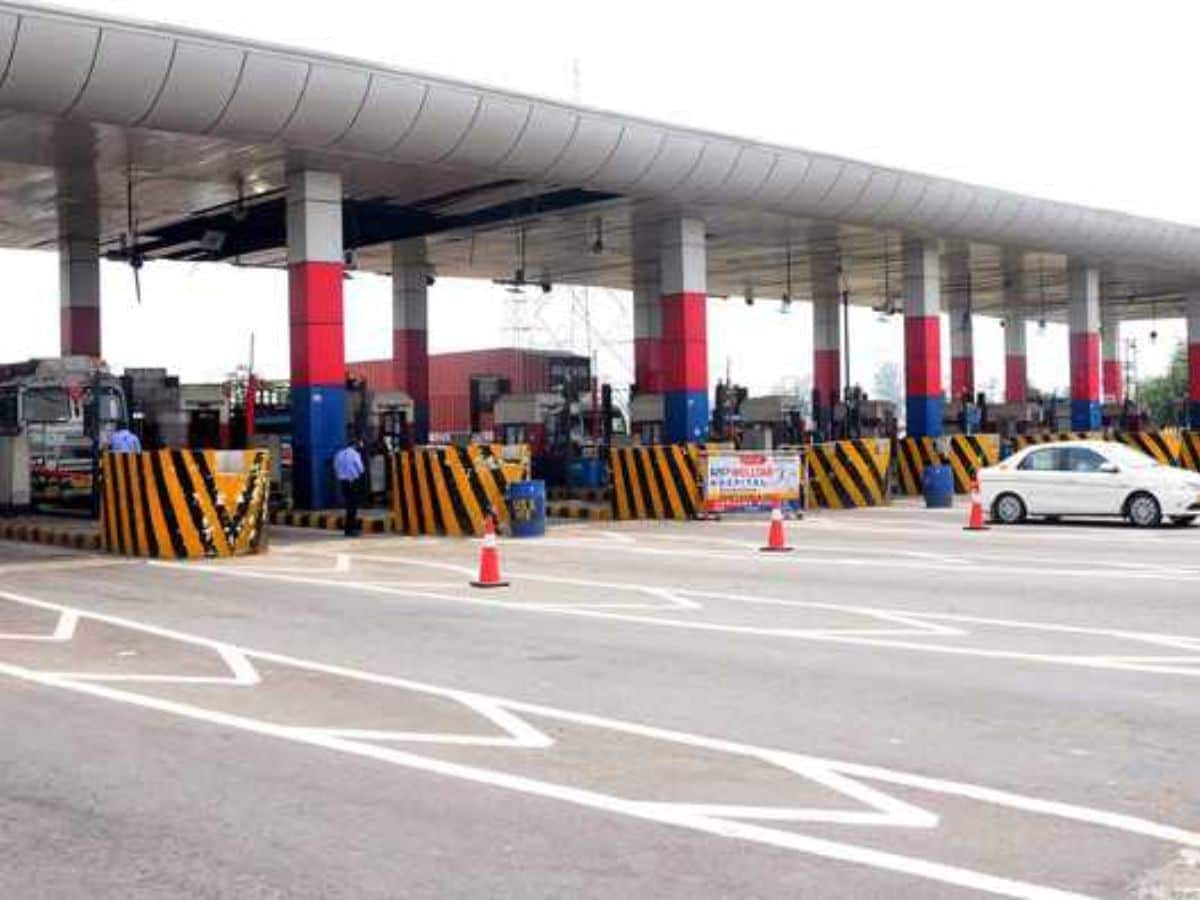
Barajore Toll Plaza in Uttar Pradesh, on the Etawah-Chakeri (Kanpur) stretch of NH-19, ranks fourth with Rs 1,480.75 crore collected over five years. As part of the Grand Trunk Road connecting Delhi to Kolkata, it experiences steady heavy commercial traffic. Its links to Kanpur’s industrial zone and UP’s agricultural hubs increase freight movement, especially for goods transport, making it a key route for eastern India.
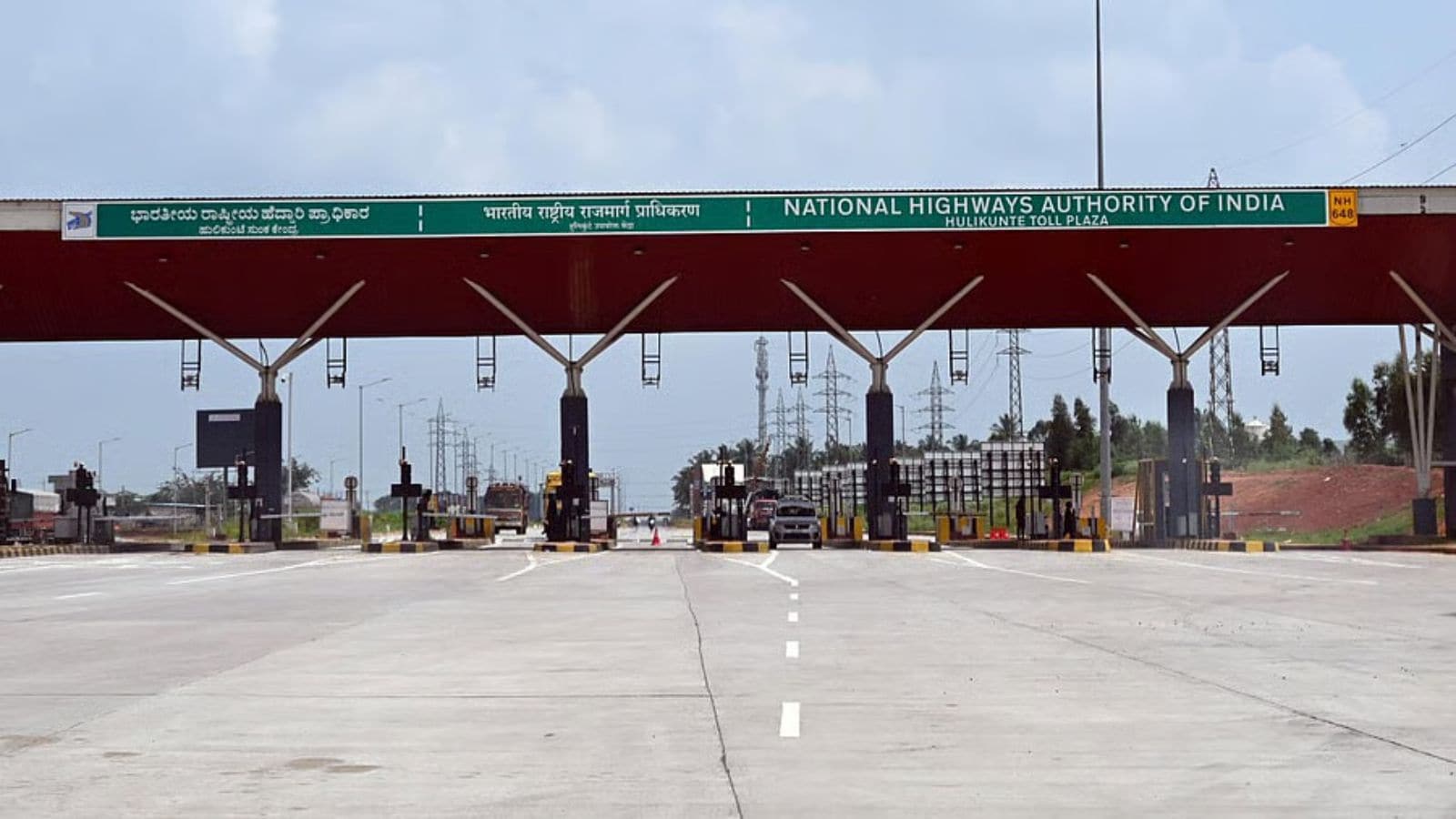
Gharaunda Toll Plaza in Haryana, on the Panipat-Jalandhar stretch of NH-44, is fifth, with collections of Rs 1,314.37 crore from 2019-20 to 2023-24. Its high revenue stems from being part of the Delhi-Chandigarh corridor, attracting commuters, tourists, and freight vehicles. Connections to industrial centres like Panipat and Delhi NCR amplify heavy vehicle flow. A pilot for barrier-free tolling is underway here, expected to reduce congestion and boost collections, though potholes and construction remain challenges.
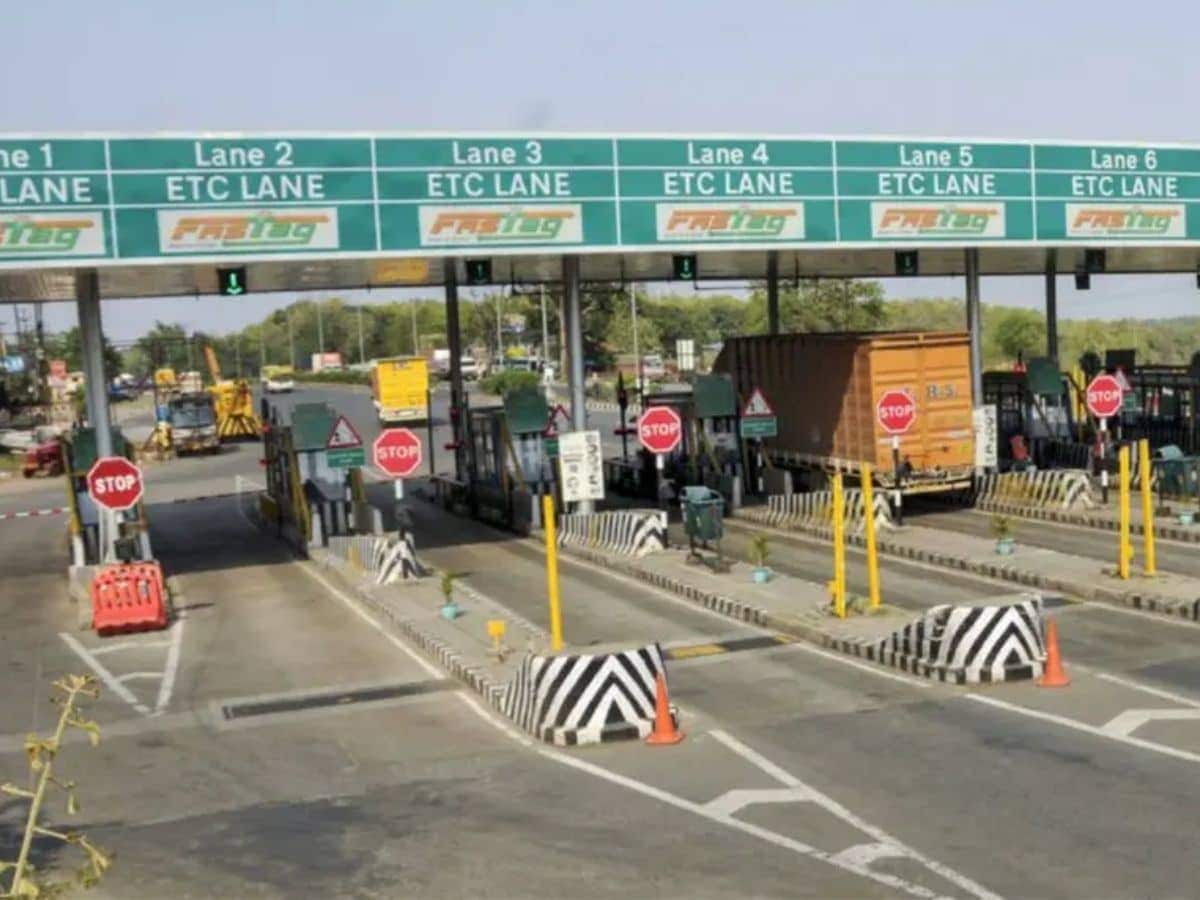
Choryasi Toll Plaza, situated in Gujarat on the Bharuch-Surat stretch of NH-48, ranks sixth, with an estimated Rs 1,261 crore collected over five years. High collections are driven by the busy freight corridor connecting Surat’s textile and diamond industries to ports, generating heavy truck and commercial vehicle traffic. Being part of the Delhi–Mumbai highway also increases daily traffic from manufacturing and export activities. It is India’s first barrier-free toll plaza, where vehicles pass without stopping via the MLFF system, making collections more efficient. Economic growth in Gujarat has further boosted traffic, though occasional congestion occurs.
News Photogallery auto Highest-Earning Toll Plazas In India - No Delhi, Mumbai In Top 5




 English (US) ·