

 1 hour ago
6
1 hour ago
6
ARTICLE AD BOX
Amid LPG shortages triggered by the Israel-US-Iran conflict, a village in Uttar Pradesh's Chandauli district has remained largely unaffected due to a community biogas plant set up in 2022 by a local resident.
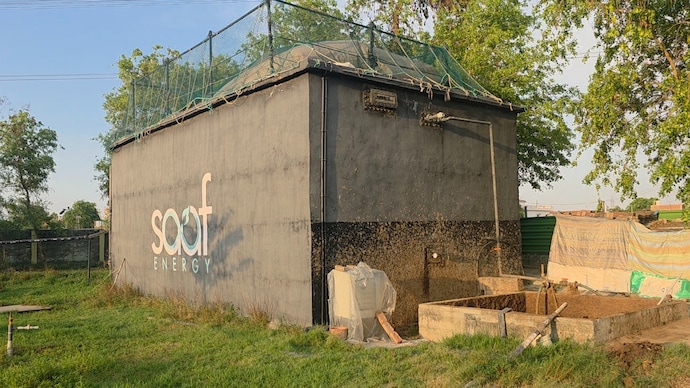
Community biogas plant set up in 2022 by a local resident.
Chandauli,UPDATED: Apr 6, 2026 16:44 IST
Even as the ongoing Israel-US-Iran conflict continues to disrupt LPG supplies and trigger shortages across India, a small village in eastern Uttar Pradesh has remained largely unaffected, thanks to a community biogas initiative.
In Ekauni village in Uttar Pradesh's Chandauli district, around 125 out of nearly 150 families are using biogas for cooking, insulating themselves from the ongoing LPG crisis that has forced people in many parts of the country to queue up for cylinders.
Residents here receive biogas supply for three hours in the morning and three hours in the evening, which they use for daily cooking needs. The system, set up four years ago, has now proven crucial during the current crisis.
The transformation began in 2022 when Chandra Prakash Singh, a local resident, established a biogas plant in the village and provided connections to households. At the time, neither he nor the villagers anticipated that such an initiative would one day help them navigate a nationwide LPG shortage triggered by geopolitical tensions.
Villagers say the decision has paid off. Kanchan Singh, a homemaker and biogas consumer, said that while earlier the connection felt like a routine utility, its importance has grown significantly during the LPG crunch. She noted that families now plan their cooking around supply hours but are relieved to avoid long queues and shortages. She also pointed out that alternatives like induction cooktops have become more expensive, making biogas a more convenient option.
Another resident, Akhilesh Singh, said the biogas facility has ensured uninterrupted cooking despite the LPG crisis. He highlighted that biogas is not only more affordable, costing nearly half of LPG, but also highly convenient. Without it, he said, villagers would have faced the same difficulties as others, including long waiting times for cylinders.
The idea for the plant stemmed from Singh’s background. After completing his BTech from Indore, he chose not to pursue a job and instead joined his father in managing their gaushala. What started with around 50 cows a decade ago has grown to about 200 under his efforts.
Observing that nearly 3,000 kg of cow dung generated daily was going to waste, Singh proposed setting up a biogas plant. With support from villagers, the plant was built, converting waste into a reliable and cost-effective fuel source.
- Ends
Published By:
Akshat Trivedi
Published On:
Apr 6, 2026 16:44 IST



 English (US) ·