

 1 hour ago
3
1 hour ago
3
ARTICLE AD BOX
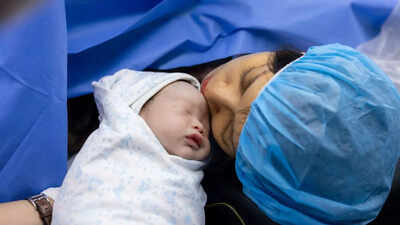
To enhance the chances of a healthy baby, expectant parents should take constructive steps right from the start. Dr. Prakash Vaidya recommends that couples schedule consultations with healthcare professionals before trying to conceive. Prioritizing maternal health, incorporating folic acid into daily routines, steering clear of alcohol and tobacco, and ensuring vaccinations are up to date are essential practices.
Anyone who looks at the creation of a human baby as it develops in the womb, is fascinated by the immensely complex process that is at play here. It is therefore not surprising that birth defects can sometimes occur.
The good news is that these are seen in as few as 2.5% to 3% of all births. An even better news is that a majority of these are minor defects. But major defects do occur, and in the context of India’s huge birth cohort - it still means hundreds and thousands of newborns are born every year with significant birth defects. Some of these result in mortality at birth (14-16% of all deaths in some studies).The commonest defects seen are: Congenital Heart diseases (e.g.
Ventricular Septal Defect - or ‘hole in the heart’) and Neural Tube Defects (e.g. Spina Bifida with Meningomyelocele – ‘exposed spinal cord’ with potential nerve damage). Other notable defects are skeletal such as – CTEV or Club Feet or Hip Dysplasia and Urinary System defects like blockages of the Urinary collecting system - Hydronephrosis. Some babies may be born with multi-system defects - like small brain size, along with cardiac defects and musculoskeletal defects.
Many of these multi-system defects are part of a ‘syndrome’ of genetic disorders where the defect originates in the embryo itself, and is mediated by faulty genes.Some other defects are caused later in the pregnancy if the mother gets a viral infection like Rubella, Herpes Zoster (Chicken Pox) or Zika Virus. These viruses may impact an otherwise normal fetus, and cause the baby to be born with birth defects. This process is called Teratogenesis, and some drugs can also be the cause.
Addictive substances like Alcohol and Tobacco, and environmental toxins are among the noxious agents that may impact a previously normal fetus.Hence, expectant parents can take several proactive steps to reduce the risk of birth defects by following recommended do’s and avoiding key don’ts during pregnancy:
- Do not postpone pregnancies till an advanced age - ideally, conception is best below the maternal age of 35 years. Birth defects, especially genetic problems, are more common, statistically, above this age
- Consult your doctor prior to planning a pregnancy. Any of the mother’s health issues like Anemia, Thyroid Disorder, Diabetes, etc. need to be addressed for a healthy outcome of pregnancy. Taking 400 mcg of Folic acid every day, even before conception, helps to avoid neural tube defects
- Using Iodinated salt prevents some thyroid and brain disorders
- Strictly avoid alcohol and any form of tobacco during and after the conception period, and throughout the pregnancy
- Ensure that you take the necessary vaccinations to avoid viral infections that are avoidable, this includes –Rubella Vaccine, Varicella, Tdap Vaccine, Influenza Vaccine, etc.
- Avoid taking any medicines without your doctor’s advice as some drugs can cause birth defects
- Follow your Obstetricians advice and get necessary ultrasound scans done periodically, as per medical advice
- Sometimes your doctor may advise specialized tests like Amniocentesis or NIPT (a blood test that sensitively detects some Chromosomal disorders)
- Avoid environmental exposure to toxins like lead, mercury, chemical solvents
There is a lot that expectant parents can do as they await their bundle of joy, and that does require a focused approach. That said, we must understand and accept that probably 60%-70% of birth defects are not preventable. It is important not to carry a burden of guilt, if your baby does have a birth defect and be thankful that today, modern medicine can do a lot to help us in tackling these challenges. (Authored by Dr Prakash Vaidya, Senior Consultant - Pediatrics, Fortis Hospital Mulund)









 English (US) ·